Spanish
 English


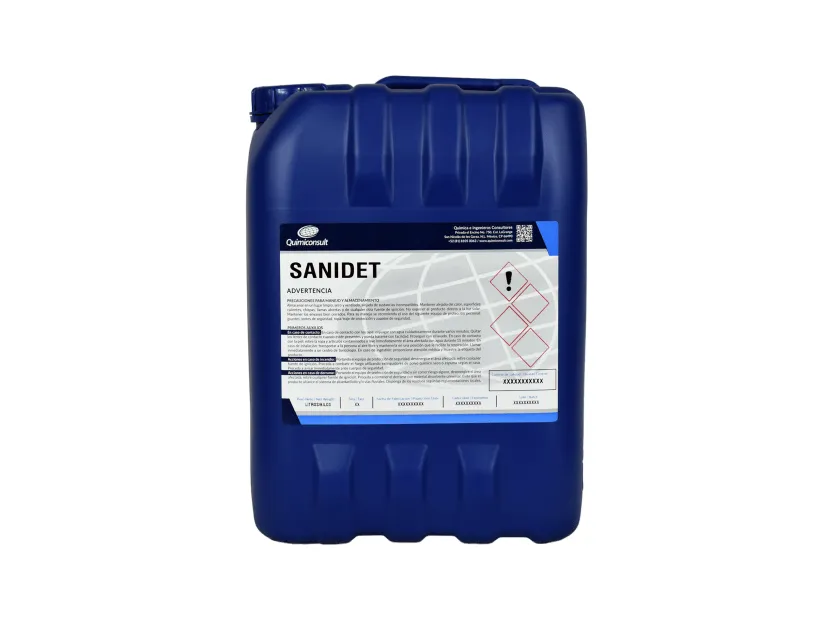
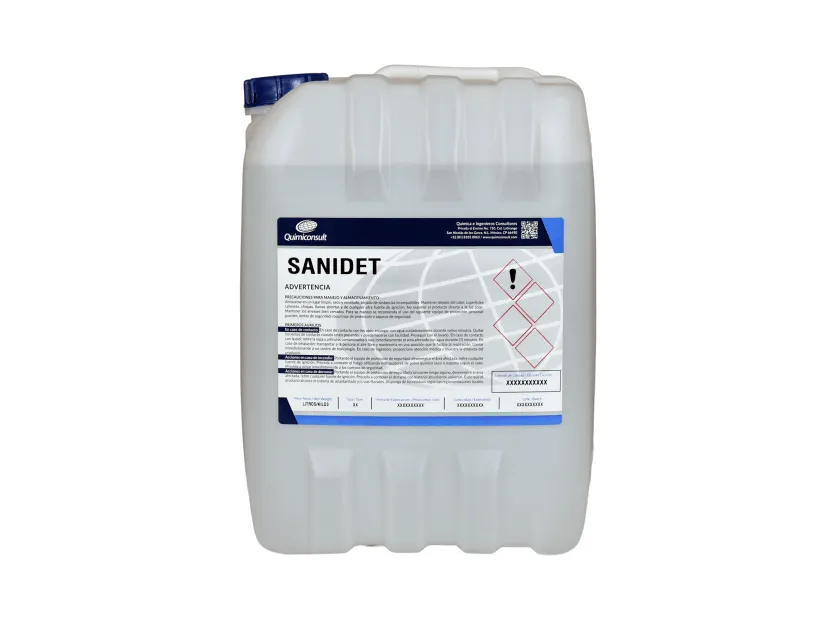
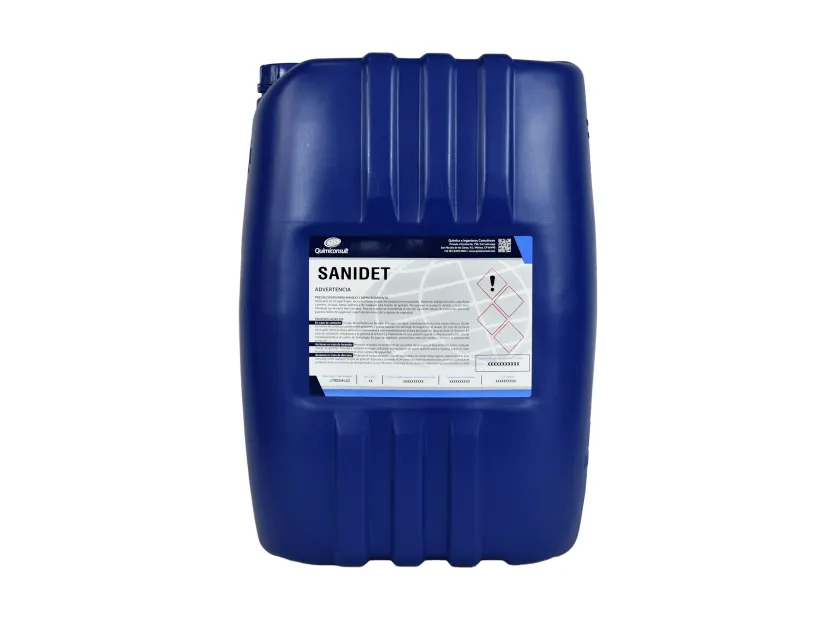
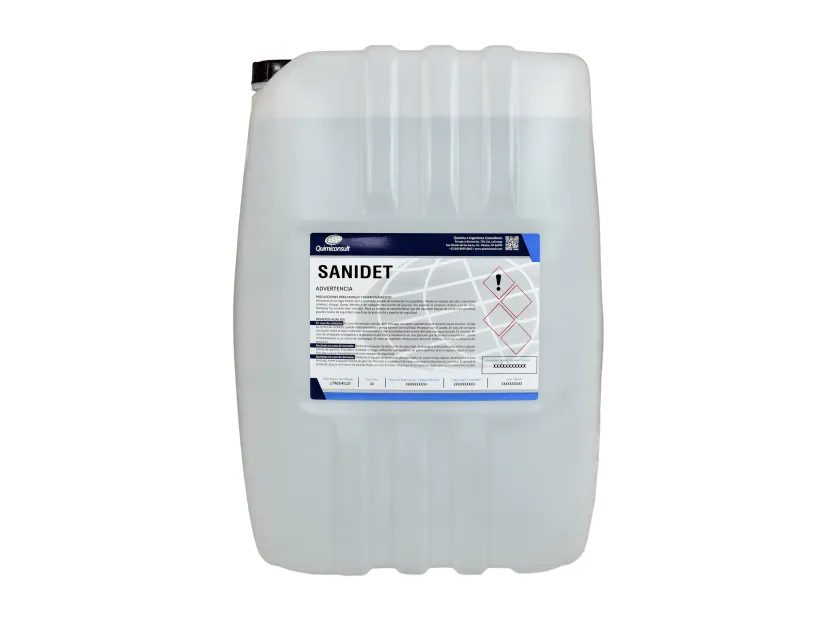
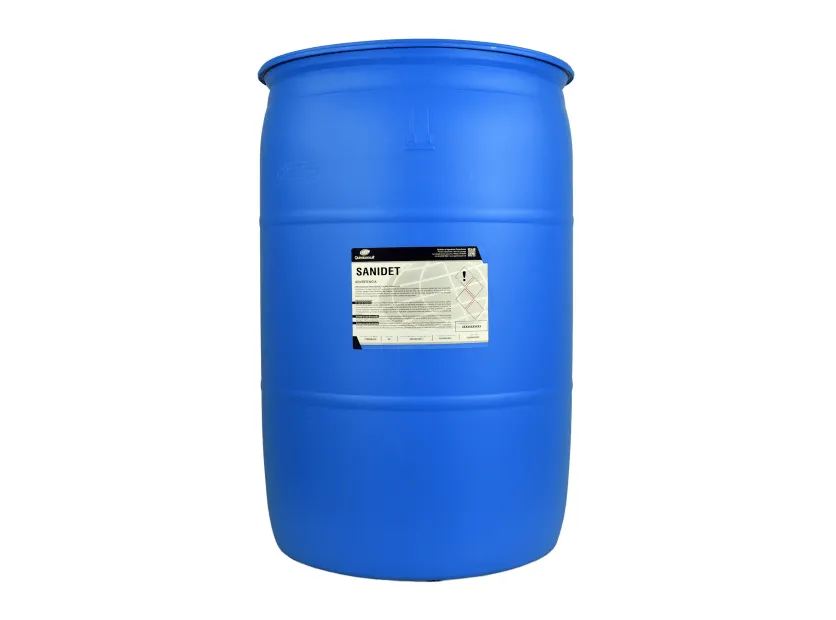
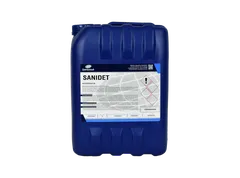
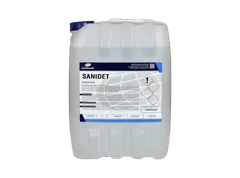
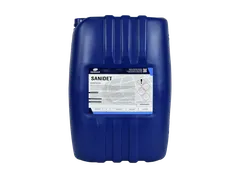
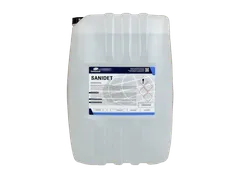
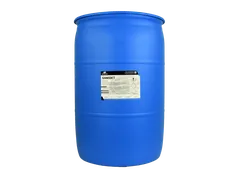
SANIDET QUATERNARY AMMONIUM BASED DISINFECTANT 5TH GENERATION
View All Prices
| Quantity | Unit Price |
|---|---|
| kg | |
| 1 - 99 | USD 1.90 |
| 100 - 199 | USD 1.84 |
| 200 - 499 | USD 1.78 |
| 500 - 999 | USD 1.73 |
| 1000 - 4999 | USD 1.69 |
| 5000 - 9999 | USD 1.64 |
| 10000 - 17999 | USD 1.60 |
| 18000+ | USD 1.56 |
Sanidet Description — Ready-to-Use 10% Quaternary Sanitizing Solution for Industrial Use
At Quimiconsult we offer Sanidet, a broad-spectrum cationic biocide formulated as a sanitizing solution with 10% fifth-generation quaternary actives, designed specifically for direct application in food processing plants and production, packaging, storage and transport areas in the meat, dairy, bakery, beverage and general food processing industries. It is a clear, colorless, water-white liquid, completely soluble in water, with a neutral to slightly alkaline pH (6.0–8.5 in a 1% solution), medium foam that makes it easy to see the treated area and allows controlled rinsing, and a quaternary active content of 10% balanced as a synergistic blend of four fifth-generation twin-chain quaternary salts.
Unlike industrial quaternary concentrates such as Nexide QS 80%, which require precise dosing by the formulator, Sanidet comes already formulated at 10% as a working solution ready to dilute directly at the plant according to the ppm required by each specific operation. This format is ideal for processing plants that prefer to handle a pre-diluted, standardized sanitizer, eliminating the need for specialized dosing equipment, reducing the risk of human error when preparing solutions, and simplifying sanitation protocols for operating staff. The recommended working dose is 0.5% to 1.0% Sanidet in water, equivalent to 500-1,000 ppm of commercial product (corresponding to approximately 50-100 ppm of quaternary actives in the final solution applied to surfaces).
Sanidet's certified synergistic composition combines four carefully balanced twin-chain quaternary ammonium salts: minimum 4.0% n-alkyl dimethyl benzyl ammonium chloride C12-C16 (CAS 68424-85-1), minimum 3.0% n-octyl decyl dimethyl ammonium chloride (CAS 5538-94-3), minimum 1.5% di-n-octyl dimethyl ammonium chloride (CAS 68424-95-3) and minimum 1.5% di-n-decyl dimethyl ammonium chloride (CAS 7173-51-5), a configuration that delivers the characteristic biocidal spectrum of fifth-generation quats with synergy between benzyl alkyl chains (greater activity against Gram-positives) and twin chains (greater activity against Gram-negatives and fungi). This composition maintains microbicidal efficacy unaffected by hard water, moderate organic matter, or acidic and alkaline pH variations within the normal operating range of food plants.
At Quimiconsult, located in San Nicolás de los Garza, Nuevo León, we distribute Sanidet nationwide, with professional technical support for implementation in processing plants, certificates of analysis for every batch, and a technical data sheet (TDS) and safety data sheet (SDS) kept up to date in accordance with NOM-018-STPS-2015 and the Globally Harmonized System (GHS), serving meat plants, cold storage facilities, dairy plants, industrial bakeries, beverage plants, prepared food processors, wholesale food markets and other food-sector operations that need a premium ready-to-apply quaternary sanitizer.
The Quat Family at Quimiconsult — Sanidet in the Product Ecosystem
Quimiconsult offers a complete family of quaternary solutions so each customer can select the optimal format based on its operating profile, available infrastructure and staff technical expertise. Sanidet occupies a specific, differentiated position within this family:
- Benzalkonium Chloride 50% and 80% (first-generation quat, concentrates): the most affordable option for customers who can dose concentrates and want the lowest cost per kilo of active. Suitable for sanitizer product formulators and plants with adequate dosing equipment. Standard applications where water conditions and organic load are controlled.
- Fourth-Generation Quaternary Ammonium (QAC-4) (concentrate): the premium mid-range option for formulators, with a synergistic, alcohol-free blend of four quaternary salts. For customers who need more advanced technology than plain benzalkonium but prefer a concentrate to formulate their own finished products.
- Nexide QS — Fifth-Generation Quaternary Ammonium (QAC-5) 80% (premium concentrate): the highest-performance concentrate available, with four quaternary salts boosted with ethanol. For formulators of premium sanitizers, specialized oilfield applications, wood preservation and plants with the technical capability to handle flammable concentrates.
- Sanidet — 10% Quaternary Sanitizing Solution (ready-to-use formulated product): the pre-diluted solution ready to apply directly in food processing plants. For end users who prefer a finished, standardized, easy-to-handle product, with no need for concentrate dosing equipment or advanced technical training in formulation. It is the optimal choice for food plant quality managers looking for a reliable sanitizer with fixed dosing and reproducible results.
The fundamental difference between Sanidet and the concentrates is practical and operational: Sanidet simplifies the plant workflow, eliminates the risks of handling concentrates, allows simpler dosing (0.5-1.0% in water = 50-100 ppm of actives), makes sanitation protocol audits by regulatory authorities (COFEPRIS, SENASICA) easier, and reduces reliance on specialized dilution equipment.
Sanidet Technical Specifications and Physicochemical Properties
The Sanidet we sell at Quimiconsult meets rigorous specifications verified by a Certificate of Analysis (CoA) for every batch, ensuring consistent active concentration, biocidal spectrum and sanitizing performance with every delivery. The certified technical properties are:
Description: Cationic germicide (5th-generation quaternary sanitizer). Physical state: Liquid. Color: Water-white (clear, colorless). Total quaternary active content: 10.0% (minimum). pH (1% solution): 6.0 – 8.5 (neutral to slightly alkaline). Water solubility: completely miscible in all proportions. Foam: medium (suitable for spray application and visual control). Hard water stability: effectiveness is not altered in very hard water (up to approximately 1,000 ppm CaCO₃). pH stability: effectiveness is not altered by acids or alkalis within the normal operating range of food plants. Material compatibility: non-corrosive to 304/316L stainless steel, anodized aluminum, industrial plastics and standard elastomers.
Sanidet's most relevant functional properties for use in processing plants include
- Broad biocidal spectrum against bacteria (Gram-positive and Gram-negative, including Escherichia coli, Salmonella spp., Listeria monocytogenes, Staphylococcus aureus, Pseudomonas aeruginosa, Enterobacter), fungi (Aspergillus, Penicillium, Mucor, Rhizopus) and yeasts (Candida, Saccharomyces, Rhodotorula).
- Detersive action on the cell wall that damages the microbial membrane, inhibits enzyme activity and blocks protein synthesis, a multi-target mechanism that makes it hard for resistance to develop.
- Efficiency enhanced by residual activity on treated surfaces, maintaining antimicrobial protection for hours after drying.
- Efficacy maintained in hard water, a key difference from first-generation quats, which lose activity in calcareous water.
- Efficacy maintained in the presence of acids and alkalis within the operating range of food plants, allowing application after cleaning with acid or alkaline detergents without loss of activity.
- Controlled medium foam that lets you see the application area, control coverage and rinse efficiently without generating excess foam that would hinder operations.
- Compatibility with standard industrial application equipment: hand sprayers, automated spray systems, dosing pumps, COP systems.
- Completely soluble in water without the need for additional solubilizers or mixing with solvents.
- Low toxicity profile for operating staff (Category 2 oral toxicity, Category 2A eye irritation) compared with strong oxidizing disinfectants such as chlorine or peracetic acid, making continuous use at the plant easier.
- Non-flammable (unlike the Nexide QS concentrate) and not UN-regulated for transport, simplifying logistics and storage.
In terms of stability and reactivity, Sanidet is stable under the recommended storage conditions and must be kept away from strong oxidizing agents (concentrated hydrogen peroxide, hypochlorites, peracetic acid) and from anionic surfactants (traditional soaps, sodium lauryl sulfate, dodecylbenzene sulfonate), which completely neutralize the quaternary biocidal action. As with all quats, it must not be mixed with chlorinated products or bleaches.
Synonyms, Trade Names and Search Terms Related to Sanidet
In the industrial food sanitation market, Sanidet and ready-to-use 10% quaternary biocides are identified by many names and terms depending on the region, application and user's focus. Related terms include 10% quaternary sanitizer, food-grade quaternary biocide, quaternary disinfectant for the food industry, fifth-generation sanitizer, quat sanitizer, food grade quaternary sanitizer, ready-to-use quat, sanitizer for processing plants, 10% cationic germicide and diluted quaternary sanitizing solution.
Likewise, in food plant purchasing, procurement and operations it is common to see searches such as Sanidet price, Sanidet Quimiconsult, quaternary sanitizer price, buy food industry sanitizer, quaternary biocide food Mexico, disinfectant for meat plants, sanitizer for cold storage facilities, sanitizer for dairy plants, sanitizer for bakeries, no-rinse quaternary disinfectant, sanitizer, sanitizer for food-contact surfaces, 10% quat price, broad-spectrum food biocide, sanitizer for food packaging, sanitizer for food conveyors, sanitizer for food processing areas, HACCP biocide, SSOP sanitizer or COFEPRIS food disinfectant. These variations are especially relevant for food plant quality managers, food safety assurance managers, sanitation supervisors, HACCP/SSOP program leads, processing plant technicians and food-sector buyers who need to identify a ready-to-use quaternary sanitizer.
Sanidet Mechanism of Action in Food Surface Sanitation
Sanidet exerts its biocidal action through the characteristic mechanism of fifth-generation quaternary ammonium compounds, optimized by the synergy among its four quaternary salts. The process takes place in stages:
Stage 1 — Immediate electrostatic adsorption: the four quaternary salts in Sanidet, all with a permanent cationic charge, adsorb onto microbial cell surfaces (negatively charged because of lipopolysaccharides, phospholipids and membrane proteins). The benzyl quats optimize adsorption onto Gram-positive bacteria such as Listeria monocytogenes and Staphylococcus aureus, while the twin-chain quats have a greater affinity for Gram-negative bacteria such as Escherichia coli, Salmonella and Pseudomonas.
Stage 2 — Disruption of the cell wall and membrane: the hydrophobic alkyl chains insert themselves into the lipid bilayer of the cytoplasmic membrane, causing structural disorganization that leads to leakage of potassium and magnesium ions, ATP, amino acids and other essential intracellular components. In fungi and yeasts, it also affects the chitin- and glucan-rich cell wall.
Stage 3 — Enzyme inhibition: the quats interact with critical enzymatic proteins of microbial metabolism, inhibiting the enzyme activity needed for cell reproduction and survival.
Stage 4 — Blocking of protein synthesis: damage to the ribosomal machinery and to the membranes associated with protein synthesis halts the production of essential proteins, permanently compromising the microorganism's viability.
Stage 5 — Cell death and residual persistence: the combination of these mechanisms results in microbial death, and the remaining quats stay adsorbed on the treated surface after drying, maintaining residual antimicrobial activity that continues to control microbial colonization between production cycles.
This multi-target mechanism makes Sanidet particularly effective at eliminating established microbiological contamination on processing plant surfaces (where its residual activity significantly increases efficiency) and at maintaining food safety levels between deep cleanings in SSOP programs.
Sanidet Applications in Food Processing Plants
Sanidet is formulated specifically for professional sanitation in food plants and works at many critical points in the production process. The main applications are detailed below.
Meat Industry and Cold Storage
This is one of Sanidet's main applications. In meat processing plants (beef, pork, poultry, sausages, prepared products) and cold storage facilities, Sanidet is applied to sanitize product-contact surfaces (cutting tables, conveyor belts, transport hooks, grinders, stuffers, mixers), process areas (floors, walls, drains, cutting rooms, packaging areas), transport equipment (baskets, crates, containers, reusable sanitary pallets), cold rooms and storage rooms, and primary and secondary packaging areas. Its efficacy against Listeria monocytogenes (a critical pathogen in meat), E. coli O157:H7, Salmonella, Campylobacter and Yersinia makes it a key tool in pathogen control programs. Typical doses are 0.5-1.0% (500-1,000 ppm of product) depending on the criticality of the area and the phase of the sanitation program.
Dairy Industry
In dairy processing plants (fluid milk, cheeses, yogurts, dairy derivatives, ice cream), Sanidet is used for sanitizing process equipment (storage tanks, pasteurization lines, heat exchangers, homogenizers, fillers), post-COP sanitizing as the final sanitation step after alkaline and acid cleaning, disinfecting molding and packaging surfaces (in cheese plants), sanitizing fermentation and ripening areas, and disinfecting transport equipment (milk tankers, containers, collection tanks). Its efficacy against Listeria, Pseudomonas, coliforms, non-pathogenic but spoilage-causing dairy spore-formers, fungi and yeasts makes it ideal for maintaining food safety and extending the shelf life of dairy products. Its residual persistence provides protection between production shifts.
Bakery Industry
In industrial bakeries, bakeries, industrial pastry operations and baked goods processors, Sanidet is applied for sanitizing mixing and kneading areas, disinfecting conveyor belts and pans after cleaning, sanitizing proofing and resting rooms, disinfecting packaging equipment and post-bake cooling areas, and controlling environmental and surface molds in areas where moisture and residual sugars encourage fungal growth. It is particularly useful for controlling Aspergillus, Penicillium, Rhizopus and wild yeasts that compromise the quality and shelf life of baked goods.
Beverage Industry
In beverage plants (soft drinks, juices, bottled water, alcoholic beverages, functional drinks), Sanidet is used for post-COP sanitizing of mixing tanks, filling lines, isobaric fillers, PET blow molders and process areas, as well as for external disinfection of containers and packaging before labeling, sanitizing water treatment areas, and disinfecting syrup and concentrate handling equipment. Its efficacy in hard water is a critical advantage in regions of Mexico where water is typically very hard.
Fruit, Vegetable and Fresh Food Processors
In plants processing fruit, fresh vegetables, pre-cut salads and fresh-cut (fourth range) and ready-to-eat (fifth range) products, Sanidet is applied for sanitizing flumes, hydrocooling tanks, sorting belts, cutting and processing equipment, modified atmosphere packaging (MAP) areas, and terminal disinfection of plants between shifts. Its efficacy against pathogens transmitted by fresh foods (E. coli, Salmonella, Listeria) and against spoilage microorganisms (Pseudomonas, Erwinia, fungi) extends shelf life and improves product safety.
Prepared Food, Snack and Confectionery Plants
In plants producing prepared foods (ready meals, fresh pasta, refrigerated meals), snacks (chips, fried snacks, extruded products) and confectionery (chocolates, candies, sugar products), Sanidet is used for general sanitation of process areas, equipment disinfection and environmental microbiological control to maintain food safety and preservation specifications for the finished product.
Food Packaging, Storage and Logistics Areas
Sanidet is widely applied in primary and secondary packaging areas, finished product warehouses, food distribution centers, refrigerated and frozen warehouses, loading and unloading docks, refrigerated transport vehicles (refrigerated trailers, refrigerated shipping containers), and food export and import logistics, where it maintains food safety levels during product storage and transport. Its residual activity makes it particularly useful in these applications, where frequent sanitizing is not operationally feasible.
Complementary Applications in the Food Industry
Other Sanidet applications include industrial cafeterias and corporate catering, central kitchens and dark kitchens, fish and seafood processing plants, refrigerated and frozen seafood plants, poultry processing plants, prepared food preparation areas for retail, food service stations at airports and stadiums, and auxiliary sanitary areas in food plants (locker rooms, break areas, plant cafeterias).
Recommended Sanidet Application Program for Processing Plants
To get the best results with Sanidet, we recommend following a professional, staged sanitation protocol that takes advantage of its technical benefits and integrates with the SSOP, HACCP and GMP programs already in place at the plant.
Stage 1 — Pre-cleaning: Sanidet is a sanitizer, not a cleaner, so the area must be cleaned beforehand with a suitable alkaline detergent such as Akaplus or acid detergent such as Lactac to remove organic residues (fats, proteins, carbohydrates), visible soil and partially formed biofilms. Pre-cleaning is critical because the anionic surfactants in many detergents inactivate quats; it must therefore be followed by a thorough rinse with water before applying Sanidet.
Stage 2 — Preparing the Working Solution: dilute Sanidet in water to a concentration of 0.5% to 1.0% (5-10 mL of Sanidet per liter of water). A 1% solution of the commercial product provides approximately 100 ppm of quaternary actives in the final solution. For critical areas (Listeria zones, raw meat areas), the high concentration of 1.0% is recommended; for routine sanitizing of finished product or packaging areas, the low concentration of 0.5% is usually sufficient. Always add the product to the water, not the other way around.
Stage 3 — Application: apply the solution to clean surfaces free of detergent residues, ensuring complete coverage by spraying, damp cloth, sponge or automatic application equipment. Sanidet's medium foam makes it easy to see the area covered. For large areas, COP equipment and automated operations, dose with calibrated pumps according to protocol.
Stage 4 — Contact Time: allow a contact time of 1 to 10 minutes depending on the specific application, ensuring the surface stays wet throughout the contact time. For maximum efficacy against critical pathogens such as Listeria, 5-10 minutes is recommended.
Stage 5 — Rinse (where applicable): on food-contact surfaces where local regulations require a final rinse, rinse with potable water. In applications where regulations allow "no rinse" at suitable concentrations (check the specific COFEPRIS regulations), the rinse can be skipped, taking advantage of Sanidet's residual persistence.
Stage 6 — Documentation: record the application in SSOP/HACCP logs, noting the area treated, concentration used, contact time, responsible operator and verification by microbiological monitoring (swabs, ATP bioluminescence, RODAC plates) according to each plant's program.
Sanidet vs. Other Sanitation Options in the Food Industry
Compared with other sanitation options available to food plants, Sanidet offers specific advantages and disadvantages:
Sanidet vs. Sodium Hypochlorite (chlorine): chlorine is cheaper and has a broader virucidal spectrum (including norovirus and rotavirus), but it forms trihalomethanes, is corrosive to stainless steel with continuous use, is inactivated by organic matter, is unstable, and leaves undesirable residual odors in food processing areas. Sanidet is non-corrosive and stable, maintains activity with moderate organic matter, leaves no residual odors, and offers residual persistence.
Sanidet vs. Peracetic Acid: peracetic acid is sporicidal and breaks down into safe residues (acetic acid + water + oxygen), making it ideal for certain industries, but it is strongly oxidizing and corrosive, unstable in storage, has a pungent odor that makes it hard to use in confined areas, and has a higher operating cost. Sanidet is easier to handle, has no pungent odor and has a predictable cost, although it is not sporicidal.
Sanidet vs. Quat Concentrates (Benzalkonium Chloride, Nexide QS): concentrates are cheaper per kilo of active but require dosing equipment, technical training and the handling of concentrated products (with a stricter hazard classification). Sanidet offers operational simplicity, safe handling, simple dosing at the plant and standardized results without the need for complex infrastructure, ideal for plants that prefer a finished product.
Sanidet vs. Iodophors: iodophors have a broad spectrum but stain surfaces (a problem in food plants with white areas), are inactivated by organic matter and have a characteristic odor. Sanidet does not stain, maintains its activity and does not generate undesirable odors.
Sanidet vs. Other 10% Quaternary Sanitizers on the market: Sanidet stands out for its fifth-generation quaternary composition (a blend of four synergistic salts), which offers a broader spectrum and better performance under adverse conditions than sanitizers based solely on plain benzalkonium chloride. In addition, it is backed by complete technical documentation and technical support from Quimiconsult for implementation at the plant.
Sanidet Compatibility and Incompatibilities
Sanidet is compatible with: standard-quality process water (including hard water), compatible nonionic surfactants (in specific formulations), alcohols (when increased biocidal action is required for specific applications), compatible preservatives (isothiazolinones, phenoxyethanol), and most construction materials in food plants (304/316L stainless steel, anodized aluminum, industrial plastics such as PVC, polyethylene and polypropylene; Viton and EPDM elastomers).
It is incompatible, and contact must be avoided, with: anionic surfactants (traditional soaps, detergents containing sodium lauryl sulfate, dodecylbenzene sulfonate, any sulfate/sulfonate), which completely neutralize the quaternary biocidal action — for this reason it is critical to rinse thoroughly after washing with an anionic detergent and before applying Sanidet; strong oxidizing agents (concentrated hydrogen peroxide, hypochlorites, peracetic acid, permanganates); chlorinated products/bleaches, which can cause undesirable chemical reactions and reduce efficacy; and concentrated strong bases at high temperatures for prolonged periods.
Sanidet Storage, Packaging and Shelf Life
Sanidet is offered in package sizes suited to the consumption of processing plants of different scales, including 20 L jerrycans, 20 kg pails, 200 L drums, 1,000 L IBC totes and bulk for very high-volume customers, subject to availability. To ensure product integrity and performance, store it in its original, tightly closed container, in a cool, dry, well-ventilated place away from heat sources, sparks, open flames, direct sunlight and incompatible materials (anionic surfactants, oxidizing agents, chlorinated products). The ideal storage temperature is between 15 °C and 30 °C. The product's shelf life under these conditions is approximately 24 to 36 months from the date of manufacture, with periodic checks of appearance and pH for batches stored for long periods. Diluted working solutions (0.5-1.0% in water) have a shorter life (24-72 hours depending on water quality and temperature), so we recommend preparing working solutions daily according to consumption.
Sanidet Safety, Handling and Regulatory Considerations
Sanidet is classified under the Globally Harmonized System (GHS) and NOM-018-STPS-2015 with the following hazard categories:
Acute oral toxicity: Category 2 (H302 – Harmful if swallowed, oral LD50 rat 642 mg/kg). Skin corrosion/irritation: Category 2A (H315 – Causes skin irritation, dermal LD50 rabbit >2,000 mg/kg). Eye damage: Category 2A (serious eye irritation). Signal word: WARNING.
GHS pictogram: exclamation mark. Important: Sanidet is NOT UN-regulated for transport (it requires no hazard class, UN number or packing group), which significantly simplifies its logistics and distribution compared with concentrated sanitizers classified as dangerous goods.
The personal protective equipment (PPE) required during industrial handling includes splash-proof safety goggles to prevent eye contact, chemical-resistant neoprene gloves, protective work clothing appropriate to the exposure risk, and respiratory protection only if ventilation is insufficient or aerosols are generated. Avoid contact with eyes, skin and clothing, avoid mist formation, work in adequately ventilated areas and wash arms, hands and nails after handling the product.
First aid per the SDS: If swallowed, do not induce vomiting, rinse the mouth and call a doctor immediately. In case of skin contact, immediately remove contaminated clothing, wash the affected areas with plenty of water for at least 15 minutes and seek medical attention if irritation persists. In case of eye contact, check for and remove contact lenses, immediately rinse the eyes with plenty of water for at least 15 minutes and get immediate ophthalmological medical attention. If inhaled, move to fresh air and get medical attention if symptoms persist.
Transport information: Not regulated. Environmental aspects: under proper handling conditions, no significant ecological problems are expected. Empty containers and residual product must be disposed of in accordance with current hazardous waste legislation.
Firefighting measures: use water fog to keep containers cool and prevent the release of vapors. Gases hazardous to health may form during a fire. Firefighters must wear self-contained breathing apparatus and full protective clothing.
Sanidet Certifications and Regulatory Compliance
The Sanidet we distribute meets the main standards applicable to food industry sanitizers, including compliance with NOM-018-STPS-2015, the Globally Harmonized System (GHS), and technical specifications for use in SSOP (Sanitation Standard Operating Procedures), HACCP (Hazard Analysis and Critical Control Points) and GMP (Good Manufacturing Practices) programs. In addition, batches come with a specific Certificate of Analysis (CoA) documenting the batch's critical parameters: total quaternary active content, pH, appearance and foam. Where applicable, we offer supplementary documentation for compliance with specific COFEPRIS regulations for food sanitizers, declarations of origin, technical support for sanitary audits and support for inclusion in regulatory dossiers.
Quality managers, food safety managers, HACCP/SSOP leads, sanitation supervisors and regulatory teams can request supplementary technical documentation such as the technical data sheet (TDS), safety data sheet (SDS), specific declarations, monitoring methods and technical support for their quality and food safety files.
Frequently Asked Questions about Sanidet 10% Quaternary Sanitizer
What is Sanidet and how does it differ from a quat concentrate?
Sanidet is a quaternary sanitizer formulated at 10% actives, based on a synergistic blend of four twin-chain quaternary ammonium salts (fifth generation), supplied as a solution ready to dilute directly at the plant to the required working doses (typically 0.5-1.0% in water). It differs from quat concentrates such as Nexide QS 80% or Benzalkonium Chloride 80% in that Sanidet comes pre-diluted and standardized, eliminating the need for concentrate dosing equipment, simplifying protocols for operating staff, and reducing the risks of handling concentrated products. It is the ideal option for food processing plants that prefer a finished, ready-to-apply product.
Which industries use Sanidet?
Sanidet is used mainly in the food industry, specifically in plants processing meat (beef, pork, chicken, sausages), dairy (milk, cheeses, yogurts, ice cream), bakery (industrial bakeries, pastry shops), beverages (soft drinks, juices, bottled water), fresh fruit and vegetables (including fresh-cut and ready-to-eat ranges), prepared foods, snacks and confectionery, fish and seafood, and poultry processing. It is also used in packaging, storage, refrigerated transport, industrial cafeterias, dark kitchens and corporate catering where professional microbiological control is required.
To what concentration should I dilute Sanidet for plant use?
The recommended working dose is 0.5% to 1.0% Sanidet in water (equivalent to 5-10 mL of Sanidet per liter of water), which provides approximately 50-100 ppm of quaternary actives in the final solution. For critical areas (zones at risk of Listeria, raw meat areas, post-vacuum sanitizing) 1.0% is recommended. For routine sanitizing of finished product areas, packaging or environments with a low microbial load, 0.5% is usually sufficient. Always add the product to the water and never the other way around. For 100 L of 1% solution, you need 1 L of Sanidet and 99 L of water.
How long should I leave Sanidet on surfaces?
The recommended contact time is 1 to 10 minutes depending on the application. For routine sanitizing of clean surfaces, 1-3 minutes is usually enough. For critical areas or confirmed presence of pathogens (Listeria, Salmonella, E. coli), 5-10 minutes is recommended. It is essential that the surface stays wet throughout the contact time; if it dries sooner, reapply. After the contact time, depending on local regulations and the type of surface, it can be rinsed with potable water or left to air-dry, taking advantage of the product's residual activity.
Does Sanidet need to be rinsed off after application on food-contact surfaces?
It depends on local regulations and the concentration used. In Mexico (COFEPRIS) and under many international regulations, quaternary sanitizers at specific concentrations can be used on food-contact surfaces without a final rinse, provided the concentration is within the permitted regulatory range and the contact time is observed. However, some specific operations or sensitive products may require a final rinse with potable water. We recommend checking the specific regulations that apply to your type of product, plant and destination market, and consulting your regulatory advisor before implementing no-rinse protocols.
Why does Sanidet work in hard water when other disinfectants lose efficacy?
Because Sanidet is formulated with fifth-generation twin-chain quaternary ammonium compounds, an advanced technology that maintains its microbicidal efficacy in the presence of calcium, magnesium and other hard-water ions that typically affect other disinfectants. Traditional chlorine loses considerable efficacy in hard water through reactions with the ions present; first-generation quats (plain benzalkonium chloride) lose part of their activity through electrostatic interactions with divalent cations; but Sanidet's synergistic blend of four quaternary salts maintains performance in water of moderate-to-high hardness. This is a critical advantage in many regions of Mexico where local water is very hard and other sanitizers require prior water treatment.
Is Sanidet safe for plant staff?
Sanidet has a low toxicological profile compared with strong oxidizing disinfectants such as chlorine or peracetic acid. It is classified as Acute oral toxicity Category 2 (harmful if swallowed), Skin irritation Category 2A and Eye irritation, with the signal word WARNING (not DANGER). Safe industrial handling requires basic PPE: splash-proof goggles, neoprene gloves and appropriate work clothing. It is not flammable, not UN-regulated for transport, does not generate toxic vapors under normal conditions of use, and requires no special explosion precautions. This makes it particularly suitable for continuous use in plant operations with staff who need simple, practical safety protocols.
When should I choose Sanidet instead of Nexide QS or another quat concentrate?
Choose Sanidet when: you operate a food processing plant that needs a ready-to-use sanitizer; you do not have automatic concentrate dosing equipment; you prefer operational simplicity and standardized doses for all staff; you need a product with a lower hazard classification to make handling easier for plant operators; or you value simplified logistics (not regulated for transport) and reducing internal regulatory complexity. Choose Nexide QS (80% concentrate) when: you are a sanitizer product formulator; you have concentrate dosing infrastructure; you need the highest technical performance available for specialized applications (wood preservation, oilfield fluids, critical hospital sanitation); or you require the lowest cost per kilo of quaternary active.
Is Sanidet compatible with the alkaline and acid detergents in use?
Sanidet must not be mixed at the same time with alkaline or acid detergents during the process, but it can be used after them as the final sanitizing step, provided a thorough rinse with water is carried out between the detergent and Sanidet to remove residues of the anionic surfactants these detergents usually contain (anionics inactivate quats). The typical protocol is: alkaline detergent → rinse → acid detergent (if applicable) → rinse → Sanidet sanitizer → contact time → final rinse (if regulations require it). Sanidet's effectiveness is not affected by moderate acidic or alkaline pH residues, but it is affected by anionic surfactant residues.
Can I apply Sanidet with sprayers or automatic equipment?
Yes, Sanidet is compatible with virtually all standard industrial application equipment: hand and backpack sprayers, automated spray systems, dosing pumps, low-pressure foam equipment (its medium foam makes application with foam equipment easier) and COP immersion equipment. For automated systems, we recommend calibrating the dosing pump to deliver the correct working concentration (0.5-1.0%) and checking it periodically by titration or with quat test kits. The equipment's construction materials must be compatible (stainless steel, industrial plastics, Viton); avoid prolonged contact with reactive metals such as aluminum under extreme conditions.
How long does Sanidet last in storage at the plant?
In its original closed container, stored under suitable conditions (cool, dry, away from sunlight and incompatible materials, at a temperature between 15-30 °C), Sanidet has a shelf life of 24 to 36 months from the date of manufacture. Once the container is opened, it should be kept tightly closed between uses to preserve concentration and prevent contamination. Diluted working solutions (0.5-1.0% in water) should be prepared daily, as they last 24-72 hours, depending on water quality, ambient temperature and exposure to organic matter. For HACCP audits, we recommend documenting the preparation dates of working solutions and labeling containers.
Where can I buy Sanidet in Mexico, and at what price?
At Quimiconsult we distribute Sanidet with immediate availability from our warehouse in San Nicolás de los Garza, Nuevo León, serving food plants throughout Mexico. We offer package sizes ranging from samples, 20 L jerrycans, 20 kg pails, 200 L drums and 1,000 L IBC totes to bulk supply depending on volume, with complete technical documentation (CoA, TDS, SDS) and technical support for implementation at the plant. The price of Sanidet depends on volume, package size and supply plan. Request a personalized quote, stating your estimated monthly volume, type of processing plant and required specifications, through our website or by phone at +52 (81) 8105 0063.
What should I do in the event of a Sanidet spill?
In the event of a spill: wear full PPE (neoprene gloves, splash-proof goggles, protective clothing), keep unnecessary people away from the area, ensure adequate ventilation, eliminate ignition sources (although Sanidet is not flammable, it is good practice), collect with inert absorbent materials (sand, vermiculite, sawdust, diatomaceous earth) and place in closed, labeled containers for disposal as waste in accordance with current legislation. Wash the affected area with plenty of water once the product has been removed, avoid direct discharge to drains or bodies of water, ventilate the area completely, and dispose of the waste through an authorized waste management company. The staff involved must be trained in chemical spill response according to the plant's internal protocols.
Request Your Quote for Sanidet or the Quat Family
Does your meat plant, cold storage facility, dairy plant, industrial bakery, beverage plant, fruit and vegetable processor, prepared food plant, poultry plant, seafood plant, industrial cafeteria or any food industry operation that requires a premium quaternary sanitizer ready to apply at the plant need to add Sanidet 10% 5th-Generation Quaternary Biocide to its SSOP and HACCP protocols? If your operation can handle concentrates and you prefer to optimize cost per kilo of active, we also offer Benzalkonium Chloride 50% and 80%, 4th-Generation Quaternary Ammonium and Nexide QS 80%. Contact us and we will gladly analyze your specific application, recommend the right quaternary technology for your case, support implementation at your plant and integration with your HACCP/SSOP program, and offer you a comprehensive solution that includes complete technical documentation, certifications, dosing advice and timely delivery anywhere in Mexico.
Related Products and the Quat Family
Discover our complete family of quaternary solutions and complementary products for professional sanitation in the food industry:
Nexide QS — 5th-Generation Quaternary Ammonium 80% — premium concentrate for formulators and specialized applications
Fourth-Generation Quaternary Ammonium (QAC-4) — mid-range concentrate for formulators
Benzalkonium Chloride 50% — first-generation quat, economical concentrate
Benzalkonium Chloride 80% — first-generation quat, high concentration for formulators
Industrial Alkaline Detergents — cleaning prior to sanitizing with Sanidet
Industrial Acid Detergents — removal of mineral scale and biofilms
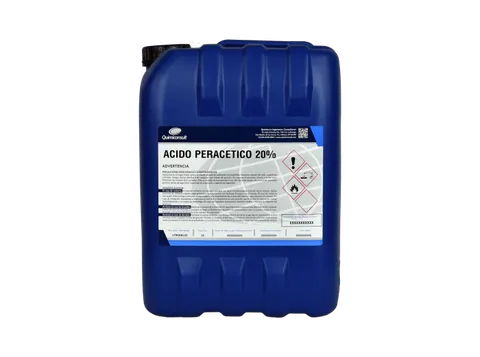
Peracetic Acid — complementary sporicide for specific applications
Category: Ready-to-Use Sanitizers
Category: Quaternary Ammonium Family
Category: Food Industry Sanitation
Category: Food CIP & COP Program
Category: Meat, Dairy and Processing Plants