Spanish
 English


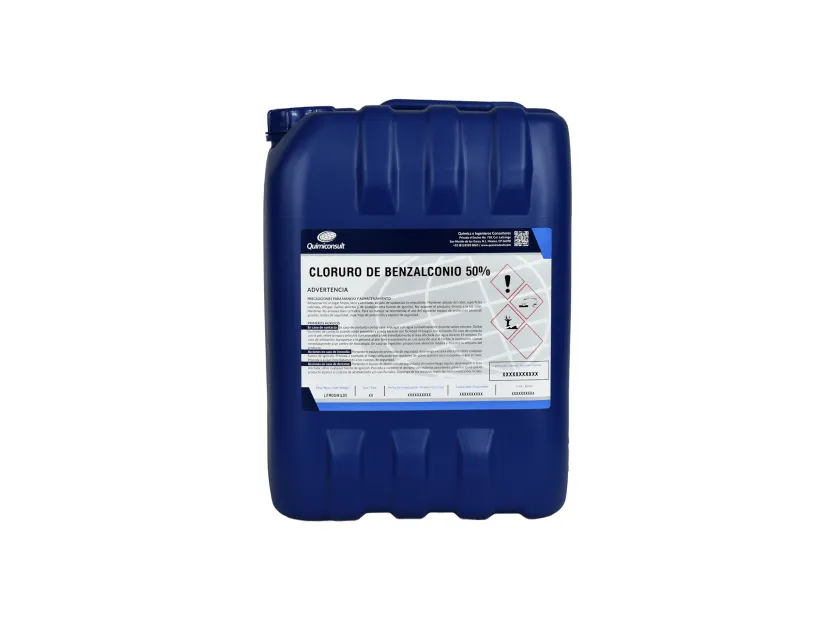
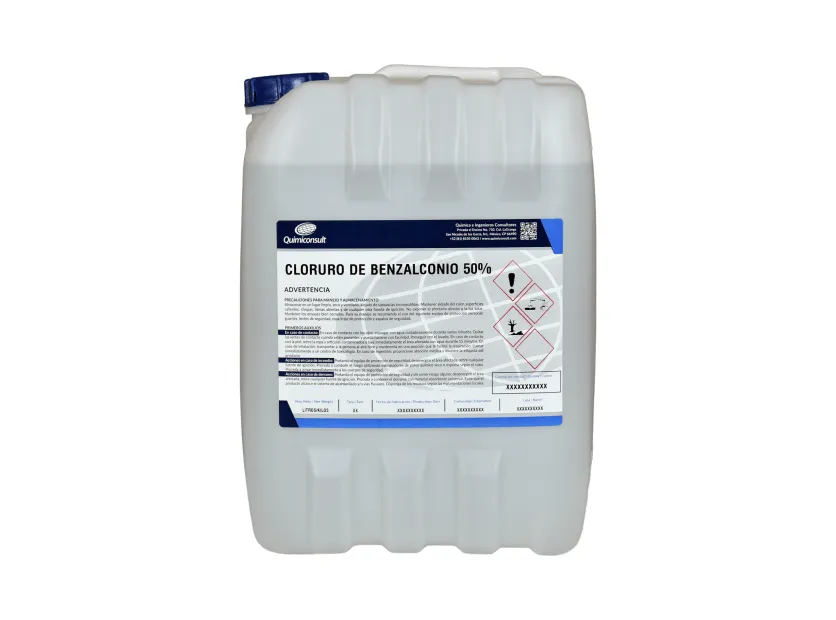
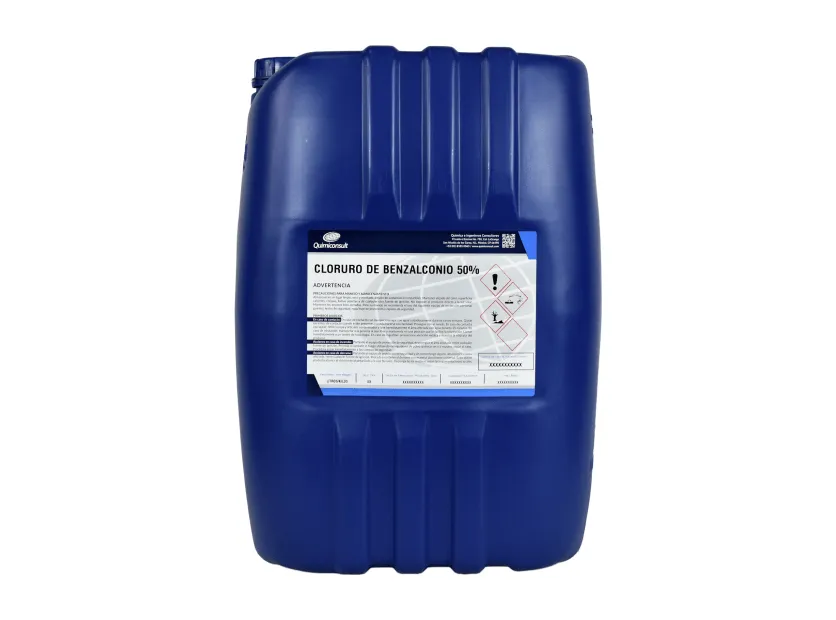
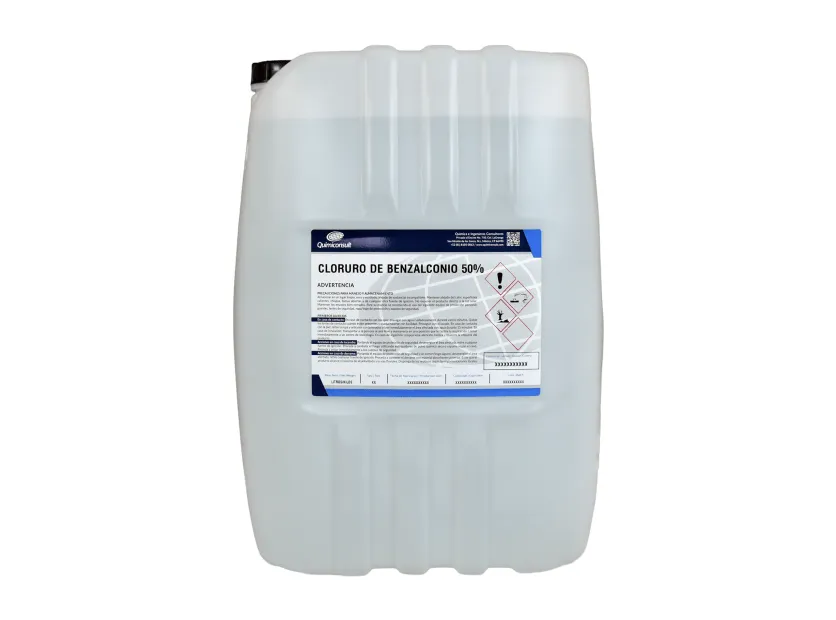
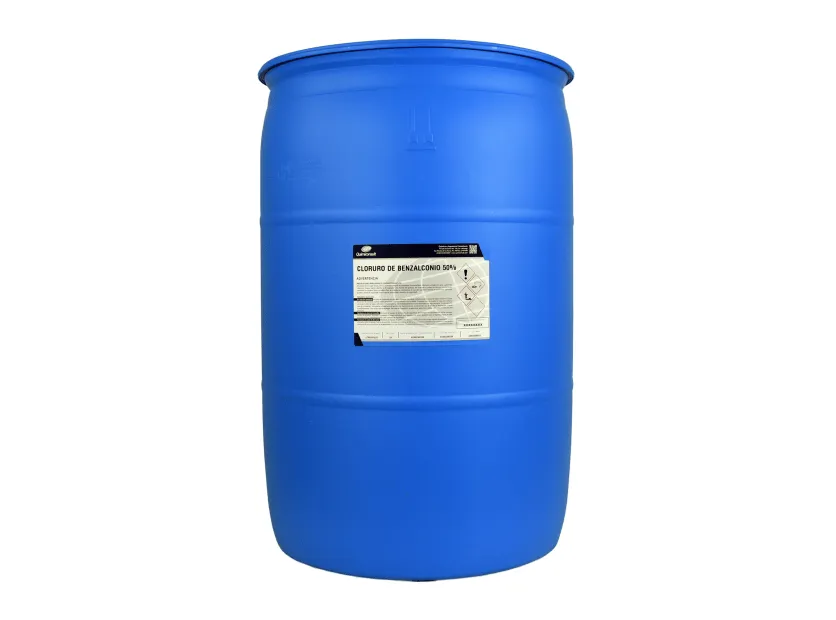
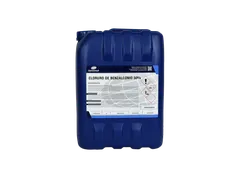
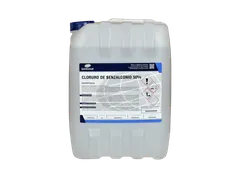
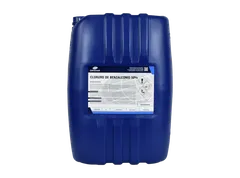
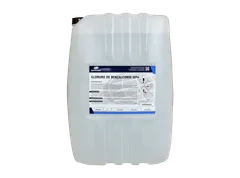
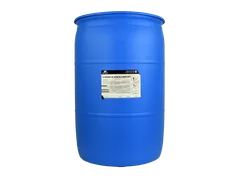
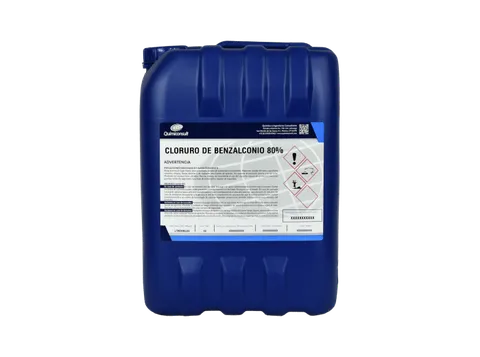
BENZALKONIUM CHLORIDE 50% DISINFECTANT INDUSTRIAL GRADE
View All Prices
| Quantity | Unit Price |
|---|---|
| kg | |
| 1 - 99 | USD 3.23 |
| 100 - 199 | USD 3.17 |
| 200 - 499 | USD 3.12 |
| 500 - 999 | USD 3.06 |
| 1000 - 4999 | USD 3.01 |
| 5000 - 9999 | USD 2.96 |
| 10000 - 17999 | USD 2.91 |
| 18000+ | USD 2.86 |
Product Description: Benzalkonium Chloride 50%, Broad-Spectrum Quaternary Disinfectant
At Quimiconsult we offer Benzalkonium Chloride 50%, a high-concentration quaternary ammonium compound widely recognized worldwide as one of the most versatile, effective and safe disinfectants and antiseptics on the market. It comes as a clear, colorless to slightly yellowish liquid, water-soluble, highly foaming and with a neutral to slightly alkaline pH (6.5 – 8.0 in 1% aqueous solution), with a minimum active ingredient content of 50% and a maximum free amine content of 2.0%, parameters that guarantee both the microbicidal potency and the chemical purity of the product. Its CAS number is 63449-41-2, and it is identified internationally under names such as benzalkonium chloride, BAK, BKC, alkyldimethylbenzylammonium chloride, ADBAC or simply quaternary ammonium.
Chemically, benzalkonium chloride is a mixture of alkylbenzyldimethylammonium chlorides with alkyl chains of varying length (typically C12 to C18), with the C12 and C14 chains being the most microbiologically active. It is a cationic surfactant that combines detergent, wetting, emulsifying and biocidal properties in a single molecule, making it a key ingredient in formulations of professional disinfectants, hospital antiseptics, livestock sanitizers, cosmetic preservatives, ophthalmic pharmaceutical products and industrial cleaning solutions. The 50% concentration is the standard commercial strength worldwide, as it allows formulators and industrial users to prepare precise working dilutions for each specific application, optimizing logistics, storage and cost.
At Quimiconsult, located in San Nicolás de los Garza, Nuevo León, we distribute industrial and pharmaceutical grade Benzalkonium Chloride 50% nationwide, with professional technical support, quality certificates, and up-to-date technical data sheets (TDS) and safety data sheets (SDS) for compliance with NOM-018-STPS-2015 and the Globally Harmonized System (GHS), serving the pharmaceutical, food, livestock, veterinary, cosmetic, hospital, professional cleaning and water treatment industries throughout Mexico.
Synonyms, Trade Names and Search Terms Related to Benzalkonium Chloride
In the industrial, pharmaceutical, livestock and healthcare markets, Benzalkonium Chloride is known by multiple names and synonyms depending on the region, application, applicable pharmacopeia, manufacturer and product grade. The most commonly used terms include benzalkonium chloride (dominant in international technical literature), BAK, BKC, BZK, ADBAC (alkyl dimethyl benzyl ammonium chloride), alkyldimethylbenzylammonium chloride, N-alkyl-N,N-dimethyl-N-benzylammonium chloride, cloruro de benzalconio (Spanish), quaternary ammonium, quaternary compound, QAC (quaternary ammonium compound), quaternary ammonium salt and cationic quaternary surfactant.
Likewise, in purchasing, procurement, formulation and end use it is common to see searches such as benzalkonium chloride price, buy benzalkonium chloride 50, benzalkonium chloride Mexico, what is benzalkonium chloride used for, benzalkonium chloride disinfectant, veterinary benzalkonium chloride, benzalkonium chloride dilution, benzalkonium chloride dosage, benzalkonium for tilapia, benzalkonium for shrimp, pharmaceutical benzalkonium chloride, benzalkonium chloride USP, BAK 50, quaternary ammonium 50, quaternary disinfectant price, quaternary ammonium for farms, food industry sanitizer, benzalkonium chloride supplier Mexico or benzalkonium 200 kg drum. These variations are especially relevant for purchasing managers, quality managers, veterinarians, cleaning product formulators, livestock technicians and food safety teams who need to identify the exact grade and concentration for their specific applications.
Technical Specifications and Physicochemical Properties of Benzalkonium Chloride 50%
The Benzalkonium Chloride 50% we sell at Quimiconsult meets rigorous specifications that guarantee lot-to-lot reproducibility, microbicidal efficacy and optimal performance in critical applications. The certified technical properties are as follows:
Its most relevant functional properties include its broad-spectrum biocidal activity (effective against Gram-positive and Gram-negative bacteria, fungi, yeasts, algae and enveloped viruses), its fast action (microbial inactivation with contact times from 30 seconds to 10 minutes depending on concentration), its chemical stability over a wide range of storage conditions, its low corrosiveness on stainless steel and aluminum at use concentrations, its residual persistence on surfaces, maintaining antimicrobial activity even after drying, its compatibility with hard water (it remains active in the presence of calcium and magnesium within typical ranges), its low volatility (it does not release hazardous vapors under normal conditions of use) and its surfactant behavior, which combines detergency with disinfection in a single operation.
In terms of stability and reactivity, it is important to note that benzalkonium chloride is unstable in contact with strong bases, a condition that must be avoided during formulation and storage. Thermal decomposition begins between 150 and 300 °C, producing carbon monoxide, carbon dioxide and nitrogen compounds. It is incompatible with anionic surfactants (soaps and anionic detergents such as SLS, lauryl sulfate, dodecyl sulfate), which neutralize its positive charge and inactivate its biocidal action; with certain anionic dyes that may precipitate; and with strongly alkaline materials that accelerate its degradation.
Microbicidal Mechanism of Action of Benzalkonium Chloride
One of the reasons benzalkonium chloride is preferred over other disinfectants is its multi-target mechanism of action on microorganisms, which makes it harder for bacterial resistance to develop compared with single-mechanism biocides. The mechanism of action unfolds in sequential stages:
Stage 1 – Adsorption: being a cationic surfactant, the quat rapidly adsorbs onto the cell surface of the microorganism, which is negatively charged due to the phosphate and carboxyl groups of membrane lipopolysaccharides and proteins.
Stage 2 – Penetration: the quat's hydrophobic alkyl chain penetrates the lipid bilayer of the cytoplasmic membrane, disrupting its organization and fluidity.
Stage 3 – Membrane disruption: insertion of the quat disorganizes the lipoprotein structure of the membrane, causing leakage of potassium and magnesium ions, ATP, amino acids and other essential cytoplasmic components.
Stage 4 – Protein denaturation: the quat also interacts with structural and enzymatic proteins, denaturing them and inhibiting critical metabolic functions.
Stage 5 – Lysis and cell death: the massive loss of intracellular contents, together with enzyme inhibition, results in the death of the microorganism.
This mechanism is particularly effective against Gram-positive bacteria (Staphylococcus aureus, Streptococcus pyogenes, Listeria monocytogenes, Bacillus cereus), Gram-negative bacteria (Escherichia coli, Salmonella spp., Klebsiella pneumoniae, Enterobacter cloacae), fungi and yeasts (Candida albicans, Aspergillus niger), algae (Chlorella, Anabaena), and enveloped viruses (including coronavirus, influenza, herpes simplex, HIV). Its activity is lower against non-enveloped viruses (norovirus, rotavirus, poliovirus), mycobacteria (Mycobacterium tuberculosis) and bacterial spores (Bacillus, Clostridium).
Industrial Applications of Benzalkonium Chloride 50%
Benzalkonium Chloride 50% is one of the most versatile disinfectants on the market, with applications extending to virtually every sector that requires microbial control. Below we detail the main fields of application.
Pharmaceutical, Hospital and Antisepsis Industry
In the pharmaceutical and hospital sector, benzalkonium chloride is a widely used topical antiseptic for wound care, preoperative antisepsis, surgical hand washing, mucosal disinfection, cavity irrigation and as a preservative in ophthalmic solutions (typically at 0.004-0.02%), where it ensures product sterility throughout its shelf life after opening. It is also used in nasal and otic solutions, mouthwashes (at 0.1-0.13%), antiseptic wipes, medicated gauze, healing creams and gels, contact lens storage solutions and disinfection of non-critical medical instruments (stethoscopes, thermometers, blood pressure cuffs). In hospitals and clinics it is used to disinfect surfaces, stretchers, furniture, floors and patient care areas, forming a fundamental part of hospital-acquired infection prevention protocols.
Livestock, Veterinary and Aquaculture Industry
This is one of the highest-volume applications of benzalkonium chloride in Mexico and Latin America. In the livestock industry it is used as a disinfectant for poultry facilities (broiler, layer and breeder houses, incubators, egg rooms), a disinfectant for swine facilities (farrowing rooms, gestation rooms, finishing areas, pens), a disinfectant for beef and dairy farms (milking parlors, feeders, drinkers, milking equipment), for disinfecting animal transport vehicles (wheel dips and sanitizing arches) and for disinfecting veterinary equipment. In aquaculture, the quat is especially used for disinfecting tilapia, shrimp, trout and catfish ponds (at concentrations of 1-3 ppm for preventive treatments against pathogenic bacteria and fungi), disinfecting fish eggs and larval incubators, prophylaxis of fungal diseases (Saprolegnia) and sanitizing aquaculture equipment. It is also found in topical veterinary medicines for treating skin infections, otitis and conjunctivitis in companion animals.
Food and Beverage Industry
In the food industry, benzalkonium chloride is a No-Rinse sanitizer approved under many regulations (subject to verification against local Mexican regulations) for use on food-contact surfaces at concentrations of 200 ppm or as indicated by the manufacturer, with no rinse required afterwards. It is applied in meat processing plants (cutting tables, conveyor belts, grinding equipment), dairy plants (storage tanks, filling lines, pasteurization equipment in applications where no quat residues remain in the final product), beverage plants (bottling lines, mixing tanks), bakeries and confectioneries, fruit and vegetable processing plants (including disinfection of water flumes, wash tanks and conveyor belts), poultry plants (scalding, evisceration, packing) and food service establishments (restaurants, industrial cafeterias, hospital kitchens). It is ideal for CIP (Clean-In-Place) and COP (Clean-Out-of-Place) systems because it combines cleaning and disinfection, has low corrosiveness on stainless steel and leaves residual persistence on surfaces.
Cosmetics and Personal Care Industry
In cosmetics and personal care, benzalkonium chloride works mainly as an antimicrobial preservative at concentrations of 0.05 to 0.5%, ensuring the microbiological stability of products throughout their shelf life. It is found in shampoos (especially anti-dandruff shampoos, where its antifungal activity complements other actives), hair conditioners (where it also provides conditioning thanks to its cationic nature, which neutralizes the negative charge of hair), hair lotions, mouthwashes and antibacterial toothpastes, deodorants, baby wipes and intimate wipes, antiseptic hand gels, intimate hygiene products, makeup and makeup removers, as well as skin care products with an antibacterial function. Its cationic character also makes it a conditioning and antistatic agent for hair formulations, in addition to its preservative function.
Professional Cleaning and Janitorial Products Industry
The quat is one of the most widely used active ingredients in the formulation of professional cleaning and disinfection products, where it is combined with compatible nonionic surfactants, chelating agents, alcohols and fragrances. It is found in all-purpose disinfectants, floor cleaners with disinfecting action, glass and surface cleaners, bathroom disinfectants, industrial laundry products (disinfecting hospital linens, hotel laundry, industrial uniforms), disinfecting wipes, air disinfectant sprays and disinfection products for schools, offices, gyms and common areas. Its ability to combine cleaning, disinfection and residual persistence in a single operation makes it highly efficient and economical for ongoing sanitation maintenance programs.
Water Treatment and Cooling Towers
In industrial water treatment, benzalkonium chloride is used as a non-oxidizing biocide in cooling towers, process water systems, closed loops and air conditioning systems, where it controls the growth of bacteria, algae and biofilms that impair heat transfer, cause microbial corrosion and pose a health risk (e.g., Legionella). Typical doses are 50 to 200 ppm of 50% commercial product, with application frequencies based on the system's microbial load. It is used in rotation with oxidizing biocides (chlorine, chlorine dioxide, peracetic acid) to prevent the development of microbial resistance and maximize biological control of the system.
Agriculture and Post-Harvest Industry
In agriculture, the quat is used as a disinfectant for greenhouses, growing structures, drip irrigation and hydroponic systems, as well as for disinfecting seeds, cuttings and plant propagation material to prevent the transmission of plant pathogens. In post-harvest, it is applied for washing and disinfecting fruits and vegetables (at controlled concentrations) and disinfecting storage rooms, sorting belts, containers and packaging, helping control Penicillium, Botrytis, Rhizopus and other post-harvest fungi that affect product shelf life.
Oil, Paper and Other Applications
Benzalkonium chloride is also used in the oil industry as a biocide in drilling muds and water injection systems, controlling sulfate-reducing bacteria that cause corrosion and H₂S production. In the pulp and paper industry it works as a biocide in white water circulation systems and as an antifungal agent for preserving material during production and storage. Other applications include preservation of waterborne paints and latex, formulation of pool products (as a complement to chlorine), disinfection in the textile industry and preservation of leather and hides during processing.
Recommended Concentrations and Dosages of Benzalkonium Chloride 50%
Correctly preparing benzalkonium chloride working dilutions is essential to achieve the desired microbicidal efficacy and optimize operating cost. Since the commercial product is 50%, dilutions must be calculated based on the desired active concentration in the final solution. Recommended concentrations by application are:
|
Application |
Active concentration |
Dilution from 50% product |
|
Surface disinfection in the food industry |
200 – 400 ppm |
1:1,250 to 1:2,500 |
|
CIP/COP equipment sanitizing |
200 – 800 ppm |
1:625 to 1:2,500 |
|
Hospital surface disinfection |
500 – 1,000 ppm |
1:500 to 1:1,000 |
|
Livestock facility disinfection |
800 – 1,500 ppm |
1:330 to 1:625 |
|
Poultry facility disinfection |
500 – 1,000 ppm |
1:500 to 1:1,000 |
|
Wheel dips and sanitizing arches |
1,000 – 2,000 ppm |
1:250 to 1:500 |
|
Wound antisepsis (veterinary use) |
100 – 200 ppm |
1:2,500 to 1:5,000 |
|
Aquaculture treatment (tilapia, shrimp) |
1 – 3 ppm |
Per veterinary protocol |
|
Preservative in cosmetic formulations |
0.05 – 0.5% active |
Direct incorporation |
|
Preservative in ophthalmic solutions |
0.004 – 0.02% active |
Direct incorporation |
|
Cooling tower biocide |
50 – 200 ppm commercial product |
1:2,500 to 1:10,000 |
Practical calculation: to prepare 100 liters of working solution at 500 ppm of active from 50% product, approximately 100 mL of benzalkonium chloride 50% is required (providing 50 g of active, equivalent to 500 ppm in 100 L). We always recommend diluting with water of good microbiological quality (preferably potable or demineralized), avoiding water with a high organic matter content, which can reduce the biocide's efficacy.
Recommended contact time: for maximum efficacy, a contact time of 5 to 10 minutes between the solution and the surface to be disinfected is recommended, ensuring the entire area is fully wetted. For quick treatments (post-CIP sanitizing), times of 30 seconds to 1 minute are typically sufficient at adequate concentrations.
Features and Competitive Advantages of Benzalkonium Chloride 50%
The widespread preference for benzalkonium chloride over other disinfectants rests on a unique combination of properties that make it a standard biocide worldwide:
- Broad microbicidal spectrum against Gram-positive and Gram-negative bacteria, fungi, yeasts, algae and enveloped viruses.
- Fast action with typical contact times of 30 seconds to 10 minutes.
- Residual persistence on surfaces after drying, maintaining prolonged antimicrobial protection.
- Combined detergency and disinfection in a single operation, thanks to its cationic surfactant nature.
- Low corrosiveness on stainless steel, aluminum and most plastics at use concentrations.
- Compatibility with hard water within typical use ranges.
- Chemical stability during prolonged storage (3-5 years in the original container).
- Does not stain surfaces, fabrics or materials at use concentrations.
- Low odor compared with chlorine products, phenols and aldehydes.
- Does not generate toxic gases or hazardous vapors under normal conditions.
- High cost-effectiveness: working dilutions of 200-1,000 ppm make the cost per liter of prepared solution very competitive.
- Global availability and broad regulatory backing (FDA, EPA, EFSA, COFEPRIS).
- Application versatility: from pharmaceutical antiseptic to industrial biocide.
- Low risk of microbial resistance due to its multi-target mechanism of action.
Benzalkonium Chloride vs. Other Disinfectants: Which to Choose?
A recurring question is how to choose between benzalkonium chloride and other disinfectants available on the market. The main alternatives and how they compare are:
Benzalkonium Chloride vs. Sodium Hypochlorite (chlorine): Hypochlorite is cheaper and has a broader spectrum (including spores and non-enveloped viruses), but it is highly corrosive to metals, unstable under heat and light, inactivated by organic matter, produces strong odors and releases toxic gases when mixed with acids. The quat is more stable, less corrosive, without a strong odor and compatible with simultaneous cleaning, although its spectrum is somewhat narrower.
Benzalkonium Chloride vs. Peracetic Acid: Peracetic acid has a broader spectrum (sporicidal) and breaks down into safe residues (acetic acid, water, oxygen), but it is strongly oxidizing, corrosive at high concentration and less persistent on surfaces. The quat has residual persistence and is less aggressive to materials, although its spectrum is narrower against spores and non-enveloped viruses.
Benzalkonium Chloride vs. Glutaraldehyde: Glutaraldehyde is a high-level sterilant (including spores), but it is highly toxic, a respiratory sensitizer and strictly regulated. The quat has a very low toxicological profile, is safe to handle and suitable for continuous use around staff, although it does not reach sterilant level.
Benzalkonium Chloride vs. Iodophors: Iodophors have a broad spectrum and low toxicity, but they stain surfaces, are inactivated by organic matter, less stable and more expensive. The quat does not stain, is more stable and more economical, although it has a narrower virucidal spectrum.
Benzalkonium Chloride vs. Alcohols (ethanol, isopropanol): Alcohols are fast and effective against many microorganisms, but they leave no residual activity (they evaporate), are flammable, inactivated by organic matter and costly. The quat is residual, non-flammable and economical for large surfaces.
Benzalkonium Chloride vs. Chlorhexidine: Chlorhexidine is an excellent skin antiseptic with high residual activity, but it is more expensive, inactivated by anionics (like the quat) and has a limited spectrum against Gram-negatives and fungi. The quat is more versatile for industrial surfaces and more economically viable.
Benzalkonium Chloride vs. other quats (didecyl dimethyl ammonium, BTC, twin-chain): There are second-, third-, fourth- and fifth-generation quats that offer greater hard water tolerance, better performance in the presence of anionics and a broader virucidal spectrum. However, benzalkonium remains the benchmark quat because of its cost-benefit balance, global availability and long-standing regulatory backing.
Compatibility and Incompatibilities of Benzalkonium Chloride
Benzalkonium chloride is compatible with: nonionic surfactants (ethoxylated alcohols, ethoxylated nonylphenols), compatible cationic surfactants, alcohols (ethanol, isopropanol, propylene glycol, butylene glycol), glycols, chelating agents (EDTA, citrate), stabilized enzymes, non-anionic perfumes and fragrances, compatible preservatives (phenoxyethanol, parabens, isothiazolinones), and most plastics and elastomers (polyethylene, polypropylene, PVC, EPDM, Viton).
It is incompatible with: anionic surfactants (soaps, sodium lauryl sulfate, dodecylbenzene sulfonate, any sulfate/sulfonate), which neutralize its cationic charge and inactivate its biocidal action; strong bases (sodium hydroxide, potassium hydroxide at high concentrations), which catalyze its decomposition; strong oxidizing agents (concentrated hydrogen peroxide, hypochlorites mixed simultaneously); aluminum at alkaline pH; cotton and cellulose in prolonged contact (they can absorb it and reduce the effective concentration); certain anionic dyes and pigments that precipitate; and natural rubber in prolonged contact.
Practical implication: never mix a quat with anionic detergents in the same cleaning-disinfection step. The correct sequence is: wash with anionic detergent → rinse thoroughly → disinfect with quat. Alternatively, use detergents formulated with nonionic surfactants compatible with the quat for simultaneous cleaning-disinfection operations.
Storage, Packaging and Shelf Life of Benzalkonium Chloride
Benzalkonium Chloride 50% is offered in package sizes suited to different scales of industrial consumption, from small laboratory and formulation development work to large-scale industrial production. Available package sizes typically include 20 kg pails, 200 kg drums, 1,000 kg IBC totes and bulk for high-volume customers.
To ensure product integrity and performance, it is recommended to store it in its original, tightly closed container, in a cool, dry, well-ventilated place with a controlled temperature between 15 °C and 25 °C, away from heat sources, direct sunlight, incompatible materials (strong acids, strong bases, oxidizers, anionic surfactants) and ignition points. The product should be kept in containers made of the same material as the original (typically high-density polyethylene or coated steel), avoiding prolonged contact with aluminum, copper or natural rubber. Never use pressure to empty containers, as they are not pressure-resistant vessels. The product's shelf life under these conditions is approximately 24 to 36 months from the date of manufacture, with periodic checks of pH, color and active concentration for lots stored for long periods.
Safety, Handling and Regulatory Considerations
Benzalkonium Chloride 50% is classified under the Globally Harmonized System (GHS) and NOM-018-STPS-2015 in the following hazard categories:
- Acute oral toxicity: Category 4 (H302 – Harmful if swallowed)
- Skin corrosion: Category 4 / Acute dermal toxicity: H312 (Harmful in contact with skin)
- Serious eye damage/irritation: Category 1B (H314 – Causes severe skin burns and eye damage)
- Specific target organ toxicity (single exposure): Category 3
- Acute aquatic hazard: H400 (Very toxic to aquatic life)
Signal word: DANGER. GHS pictograms: corrosion, exclamation mark, environment.
Required Personal Protective Equipment (PPE):
- Eye protection: tight-sealing chemical safety goggles.
- Hand protection: chemical-resistant gloves (nitrile, neoprene, butyl).
- Body protection: suitable protective clothing (chemical-resistant coveralls or apron).
- Respiratory protection: when handling large volumes, generating aerosols or preparing dilutions, use a respirator approved for chemical vapors and aerosols.
First aid:
- Ingestion: drink plenty of water (several liters), DO NOT induce vomiting (risk of esophageal perforation), and immediately call a poison control center or physician. Do not attempt neutralization.
- Inhalation: move the affected person to fresh air; if breathing is difficult, call a physician.
- Skin contact: wash with plenty of water, remove contaminated clothing, use cotton with polyethylene glycol 400 if available to remove adhered product, and change contaminated clothing immediately.
- Eye contact: rinse with plenty of water, holding the eyelids open, for at least 10-15 minutes, remove contact lenses if worn, and go to an ophthalmologist immediately.
Transport information: UN number UN 2920, proper shipping name "Benzalkonium chloride," hazard class 8 (corrosive), packing group I.
NFPA information: Health 1, Flammability 0, Reactivity 0, Special hazard none.
Environmental aspects: the product is very toxic to aquatic life (H400), so direct discharge into drains, surface or groundwater and soil must be avoided. Diluted use solutions (200-1,000 ppm) pose a lower environmental risk, but their discharge must be routed to suitable wastewater treatment systems. Empty containers and residual product must be disposed of through companies authorized to handle hazardous waste in accordance with current legislation.
Certifications and Regulatory Compliance
The Benzalkonium Chloride 50% we distribute meets the main standards applicable to disinfectants and industrial and pharmaceutical grade chemical raw materials, including compliance with NOM-018-STPS-2015, the Globally Harmonized System (GHS), and international pharmacopeia specifications (USP, BP, EP) for applicable grades. In addition, lots are accompanied by a specific Certificate of Analysis (CoA) documenting the lot's critical parameters: active content, free amine, pH, color and appearance. Where applicable, complementary certifications are offered, such as compliance with SADER/SENASICA registrations for livestock applications, COFEPRIS registrations for sanitary applications, and specific declarations depending on the end-use sector.
Formulators and regulatory teams can request complementary technical documentation such as the technical data sheet (TDS), safety data sheet (SDS), declaration of origin, detailed specifications and technical support for their quality files and sanitary registrations.
Frequently Asked Questions About Benzalkonium Chloride 50%
What is benzalkonium chloride and what is it used for?
Benzalkonium chloride is a quaternary ammonium compound (quat) widely used as a disinfectant, antiseptic, biocide and preservative in the pharmaceutical, hospital, food, livestock, cosmetic, cleaning and water treatment industries. It is used to eliminate bacteria, fungi, yeasts, algae and enveloped viruses on surfaces, equipment, facilities and in formulations, and combines surfactant (cleaning) and biocidal (disinfecting) properties in a single molecule. It is one of the most versatile and economical disinfectants on the market.
How is benzalkonium chloride 50% diluted?
Dilution depends on the application. As a general reference, to prepare 100 liters of solution at 500 ppm of active from 50% product, dilute approximately 100 mL of benzalkonium chloride in water up to 100 L. For specific concentrations: 200 ppm (food industry) requires ~40 mL/100 L; 1,000 ppm (hospital disinfection) requires ~200 mL/100 L; 1,500 ppm (livestock facilities) requires ~300 mL/100 L. Always use good-quality water and mix well after diluting.
What is the difference between benzalkonium chloride and quaternary ammonium?
Benzalkonium chloride is a specific type of quaternary ammonium within a broader family of quaternary compounds. "Quaternary ammonium" is the generic term for all compounds with the R₄N⁺X⁻ structure, while "benzalkonium chloride" refers specifically to N-alkyl-N,N-dimethyl-N-benzylammonium chloride. There are other quats such as didecyl dimethyl ammonium (a fourth-generation quat), alkyl dimethyl ethylbenzyl ammonium and others, each with specific characteristics in terms of spectrum, hard water tolerance and resistance to anionic surfactants.
Can benzalkonium chloride be used on food?
Benzalkonium chloride is not ingested or applied directly to food, but it is used as a sanitizer for food-contact surfaces and equipment at concentrations on the order of 200 ppm (typically with no rinse required afterwards, subject to local regulations). It is also used as a preservative in some pharmaceutical and cosmetic formulations. In Mexico and many countries, specific regulations (COFEPRIS, FDA in the US) determine maximum residue limits and permitted applications. We always recommend verifying compliance with the specific regulations for your industry and process.
Is benzalkonium chloride toxic?
At use concentrations (200-2,000 ppm) benzalkonium chloride has a low toxicological profile and is considered safe for professional application with basic PPE. However, the 50% concentrated product is corrosive (GHS Category 1B) and must be handled with chemical-resistant gloves, safety goggles and protective clothing. It is very toxic to aquatic life (H400), so its discharges to the environment must be regulated. Working dilutions do not pose the same risks as the concentrated product.
What concentration of benzalkonium chloride is used for farm disinfection?
For disinfecting livestock and poultry facilities, concentrations of 800 to 1,500 ppm of active are typically recommended (equivalent to 1.6 - 3 mL of 50% product per liter of water), applied to surfaces that have been washed beforehand and are free of organic matter. For wheel dips and sanitizing arches (transport vehicles), 1,000-2,000 ppm is used. For disinfection after downtime in poultry houses, 1,500 ppm with a minimum contact time of 10-15 minutes is recommended. Always follow the specific veterinary protocol and the sanitation plan of each farm.
Why doesn't benzalkonium chloride work with regular soap or detergent?
Because most household soaps and detergents contain anionic surfactants (sodium lauryl sulfate, dodecylbenzene sulfonate), which carry a negative electrical charge and neutralize the quat's positive charge, forming insoluble complexes that completely inactivate the biocidal action. That is why cleaning with regular detergent and disinfecting with a quat must be done in separate steps: first wash and rinse thoroughly, then apply the quaternary disinfectant. If simultaneous cleaning-disinfection is desired, specific formulations with compatible nonionic surfactants are required.
How long does benzalkonium chloride last in storage?
In its original, tightly closed container, stored in a cool (15-25 °C), dry place away from direct sunlight and incompatible materials, benzalkonium chloride 50% has a shelf life of 24 to 36 months from the date of manufacture. Diluted solutions (200-1,000 ppm) have a shorter shelf life (1-7 days depending on water quality, temperature, exposure to organic matter and contamination), so it is recommended to prepare working solutions daily. Opened containers should be kept tightly closed.
Is benzalkonium chloride safe for aquaculture (tilapia, shrimp, fish)?
Yes, at controlled concentrations and under veterinary protocol, benzalkonium chloride is widely used in aquaculture for the prevention and control of bacterial and fungal diseases in tilapia, shrimp, trout, catfish and other aquatic species. Typical doses are 1 to 3 ppm of 50% commercial product applied in ponds or as immersion treatments, always under specialized technical supervision. It is important to follow exact doses, as higher concentrations are toxic to the farmed organisms, especially in larval and juvenile stages.
Where can I buy Benzalkonium Chloride 50% in Mexico, and at what price?
At Quimiconsult we distribute Benzalkonium Chloride 50% with immediate availability from our warehouse in San Nicolás de los Garza, Nuevo León, serving customers throughout Mexico and Latin America. We offer package sizes ranging from laboratory samples, 20 kg pails, 200 kg drums, 1,000 kg IBC totes and bulk, with complete technical documentation (CoA, TDS, SDS, certifications). The price of benzalkonium chloride 50% depends on volume, package size and end application. Request a custom quote stating your estimated volume, application sector and required specifications through our website or by phone at +52 (81) 8105 0063.
What should I do in case of a spill or accidental contact with concentrated benzalkonium chloride?
In case of a spill: ventilate the area immediately, avoid direct contact, wear full PPE (gloves, goggles, protective clothing, respirator if aerosols are present), collect with absorbent materials (vermiculite, sand, diatomaceous earth), place in a closed, labeled container for disposal as hazardous waste, wash the area with plenty of water once the product has been removed, and avoid discharges to drains or bodies of water.
In case of skin contact: wash with plenty of water, remove contaminated clothing immediately, and use cotton with polyethylene glycol 400 if available.
In case of eye contact: rinse with plenty of water for at least 10-15 minutes while holding the eyelids open, remove contact lenses, and go to an ophthalmologist immediately (eye injuries can be serious).
In case of ingestion: drink plenty of water, DO NOT induce vomiting, and immediately call a poison control center or physician.
Request Your Benzalkonium Chloride 50% Quote
Does your company, hospital, clinic, farm, food processing plant, pharmaceutical laboratory, cosmetic formulation business, water treatment plant or any industry that requires a versatile quaternary disinfectant need to incorporate industrial and pharmaceutical quality Benzalkonium Chloride 50% into its processes? Contact us and we will gladly analyze your specific application, recommend the right doses and offer you a comprehensive solution that includes technical documentation, certifications, formulation and dosing advice, and timely delivery anywhere in Mexico.
Related Products and Categories
Complement your disinfection, sanitizing and industrial hygiene protocols with other specialized products from our catalog:
Glutaraldehyde 50% — high-level biocide for cold sterilization and hospital disinfection
Peracetic Acid — broad-spectrum oxidizing disinfectant, including spores
Sodium Hypochlorite — economical oxidizing disinfectant in wide industrial use
Iodactive 1.75% — iodine solution for livestock disinfection and CIP
Alkaplus — self-foaming alkaline detergent for industrial cleaning
Glycerin USP — humectant and vehicle for cosmetic and pharmaceutical formulations
Category: Biocides and Disinfectants
Category: CIP & COP Cleaning
Category: Animal Health
Category: Pharmaceutical and Hospital Industry
Category: Food Industry
Category: Water Treatment