 Spanish
 English


Iodine in industry: uses you didn't know about
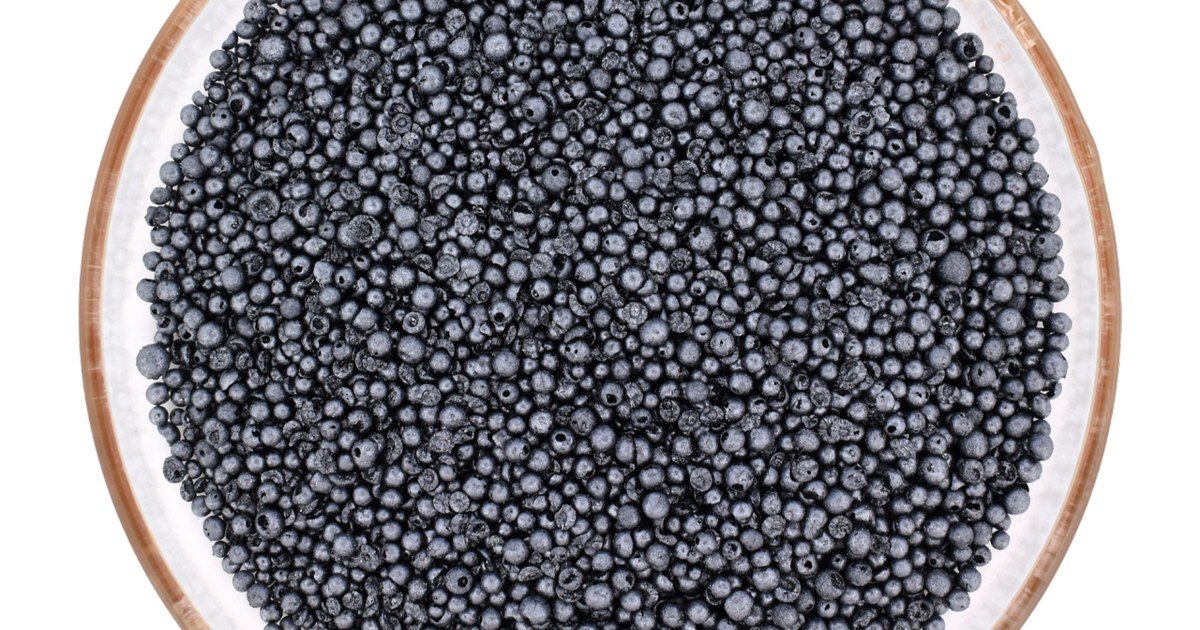
When you think of iodine, you probably picture the bottle in the first-aid kit. But iodine is also in the salt on your table, in the screen you are reading this on, in X-ray scans and in the daily hygiene of farms and food plants. Here is where it is used and how to choose the right product for your operation.
What is iodine?
Iodine (I) is a chemical element that French chemist Bernard Courtois discovered in 1811 in seaweed ash. Its name comes from the Greek iodēs, “violet”, after the colour of its vapour. Today Chile is the world's largest producer, followed by Japan.
It is an essential nutrient for the thyroid and one of the oldest disinfectants in use. That combination explains why it turns up in such different industries.
1. Sanitation in food plants
In industry, iodine is mostly used as an iodophor: iodine bound to a solubilizing agent that releases it gradually when diluted in water. It acts against bacteria, fungi and yeasts without the staining and fast evaporation of traditional iodine tincture.
Iodophors work in hard water, do not stain stainless steel and have an amber colour that shows at a glance whether the solution is still active. In the United States, the FDA allows them on food-contact surfaces without rinsing at up to 25 ppm iodine.
The Iodactive line covers every operation size:
- Iodactive 1.3%: for precise dosing, such as sanitizing produce and drinking water on farms.
- Iodactive 2%: the middle ground for medium-volume operations.
- Iodet 5%: high strength for large plants and sanitation contractors.
- Iodactive 7%: the most concentrated; one litre makes up to 2,800 litres of solution at 25 ppm.
2. Livestock and milking
In dairies, iodine protects udder health. Mastitis is one of the costliest diseases in dairy cattle, and dipping teats in iodine before and after milking is one of the basic ways to prevent it.
- Before milking: Iodactive Pro, an iodine pre-dip.
- After milking and at dry-off: the Iodactive S50 and Iodactive S100 sealers.
- For companies that make their own teat dips: Iodactive Teat Sealer, a concentrated iodophor for formulating.
Iodine is also used in disinfectant foot mats at barn entrances and to treat the navels of newborn calves. For more on milking hygiene, read our Udderzyme guide.
3. Health and hospitals
Povidone-iodine is iodine bound to polyvinylpyrrolidone (PVP). It releases iodine gradually and irritates less than elemental iodine, which is why it is the standard antiseptic for preparing skin before surgery. It is designed for skin and mucous membranes, not for disinfecting plant equipment or surfaces.
4. Nutrition: iodized salt
In Mexico, NOM-040-SSA1-1993 requires salt for human consumption to contain 30 ± 10 mg of iodine per kilo. Two compounds are used to achieve this:
- Potassium iodate USP (KIO₃): more stable against moisture, ideal for salt and mineral premixes.
- Potassium iodide USP (KI): a direct iodine source in supplements, medicines and animal nutrition.
5. Uses you really didn't know about
- X-rays and CT scans: the contrast media that make blood vessels visible are iodine compounds.
- LCD screens: the polarizing filters in many screens are polyvinyl alcohol films dyed with iodine.
- Industrial chemistry: iodine serves as a catalyst in producing acetic acid, the acid in vinegar.
Which iodine product to choose
Need | Product | Iodine content |
|---|---|---|
Sanitizing with precise dosing | 13,000 ppm | |
Medium-volume disinfection | 20,000 ppm | |
Large plants and sanitation contractors | 50,000 ppm | |
Maximum yield per litre | 70,000 ppm | |
Pre-dip and teat sealing | Ready to use | |
Skin antiseptic | 9–12% available iodine | |
Formulating your own iodophors | ≥ 99.5% iodine | |
Iodized salt and premixes | KIO₃ |
Frequently asked questions
What is an iodophor? It is iodine bound to a solubilizing agent, usually a surfactant, that releases it gradually when diluted in water. It disinfects without staining or evaporating quickly.
What concentration of iodine is used to sanitize surfaces? Food-contact surfaces are sanitized with solutions of around 25 ppm. Always follow the product label and registration.
Does iodine stain equipment? Iodine tincture does. A well-formulated iodophor is fully water-soluble and does not stain stainless steel, plastic or glass.
What is the difference between potassium iodide and potassium iodate? Both supply iodine. Iodate is more stable against moisture and heat, so it is preferred for salt; iodide is used more in supplements and medicines.
Can I use povidone-iodine to disinfect equipment? It is not recommended. Povidone-iodine is formulated for skin and mucous membranes; equipment, surfaces and water call for an industrial iodophor such as Iodactive.
How Quimiconsult helps
Quimiconsult supplies iodine products from Monterrey, Nuevo León, with shipping across Mexico:
- Iodophors for sanitation: the Iodactive line from 1.3% to 7% and Iodet 5%.
- Milking hygiene: pre-dips, sealers and concentrates for formulating.
- USP raw materials: iodine prills, povidone-iodine, potassium iodide and potassium iodate.
- Documentation and support: certificate of analysis per batch, technical data sheet, safety data sheet and help defining doses.
Not sure which concentration you need? Talk to a technical advisor and we will help you work it out.
Related articles
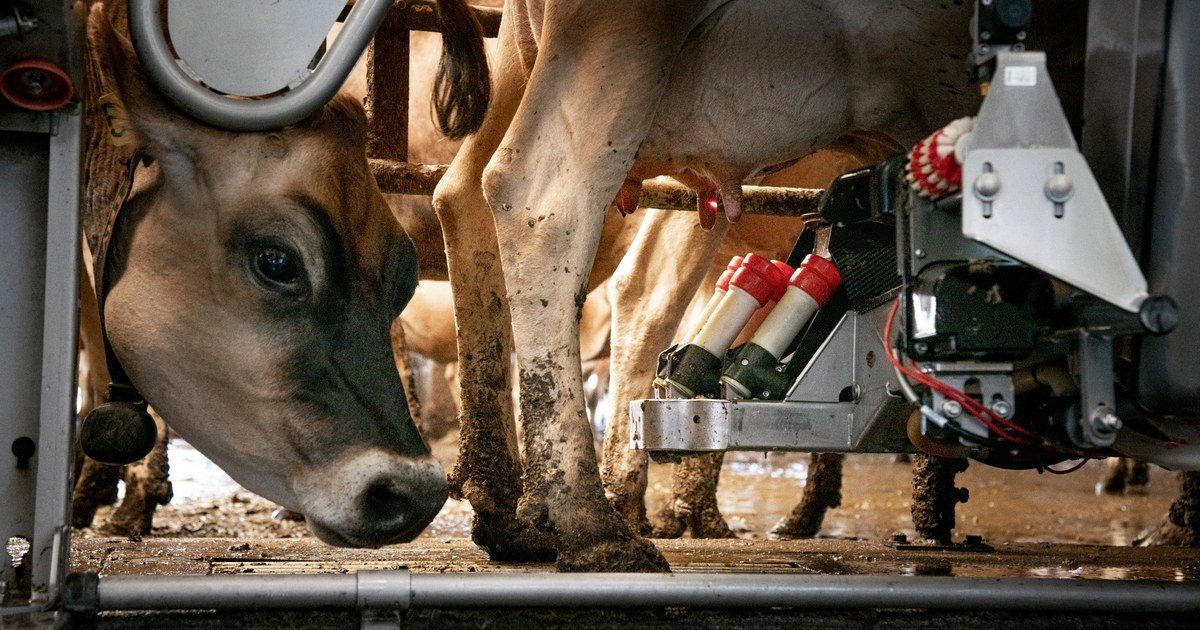
The Complete Guide to SAGARPA (SENASICA) Registration for Disinfectants and Sanitizers
What SAGARPA (now SENASICA) registration is, what it requires, how to obtain it and which Quimiconsult products already hold it. Complete guide.
UDDERZYME: SPECIALIZED HYGIENE FOR EVERY STAGE OF MILKING
Meet Quimiconsult's Udderzyme line: pre-dip and post-dip teat solutions for every stage of milking, as part of your mastitis-control programme.
Chlorhexidine: what it is, what it's for and which concentration to use
What chlorhexidine is, how it's used in mouthwash, antiseptics and teat dips, how to dilute the 20% concentrate and how it compares with povidone-iodine.
