Spanish
 English


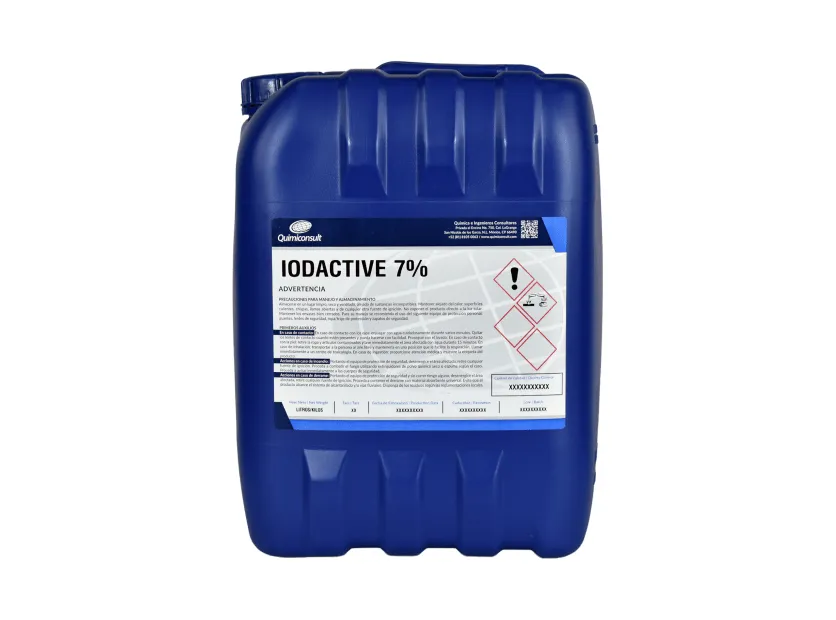
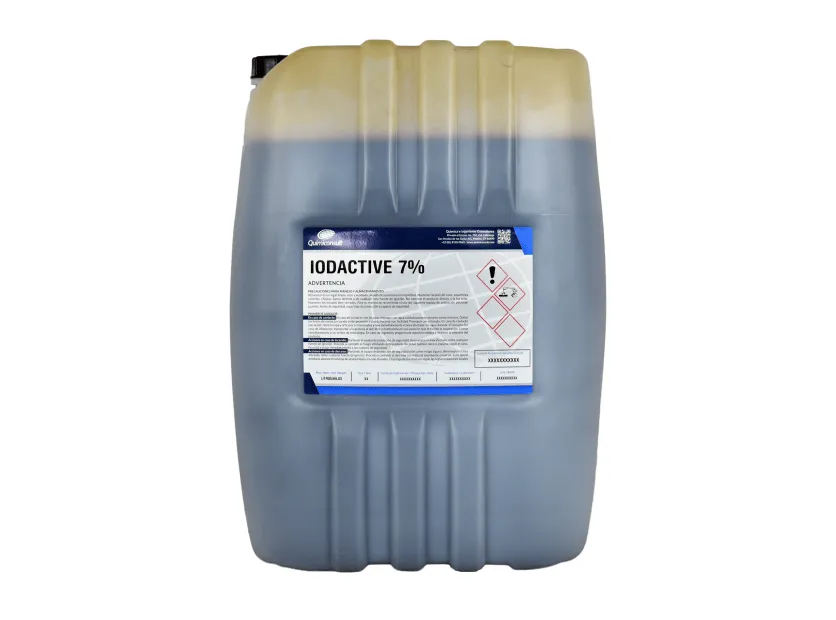
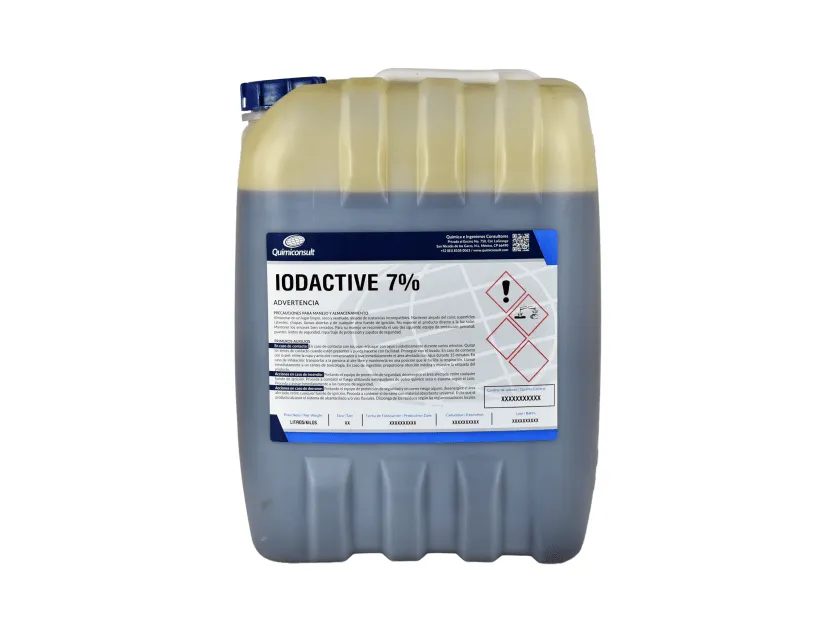
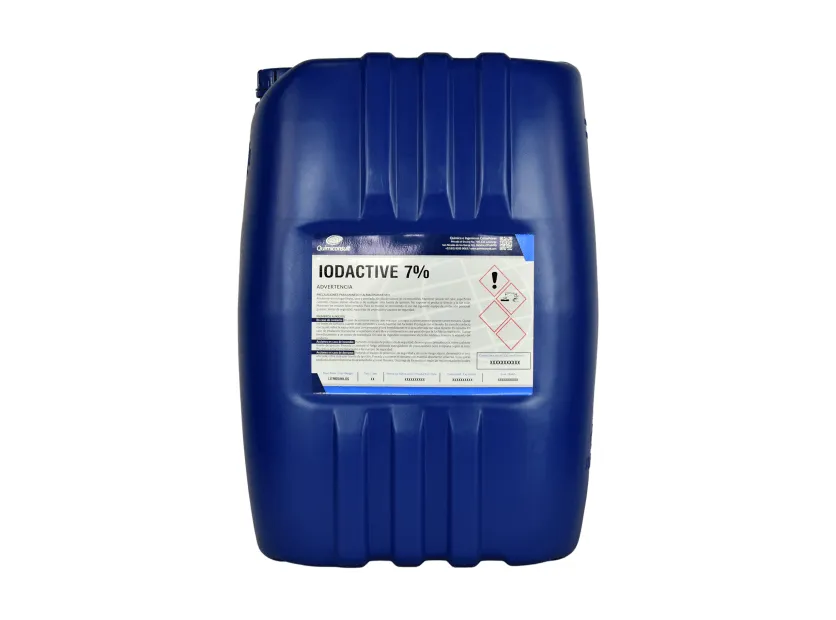
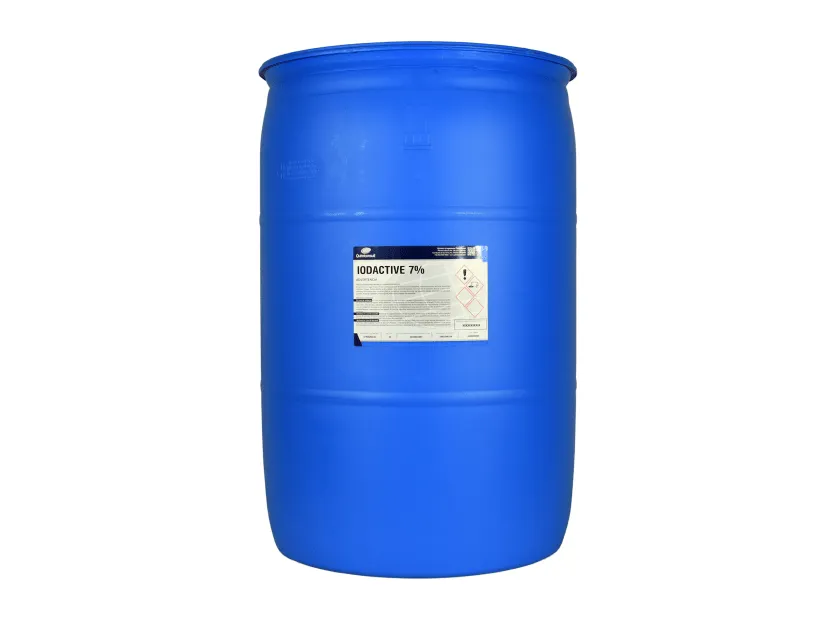
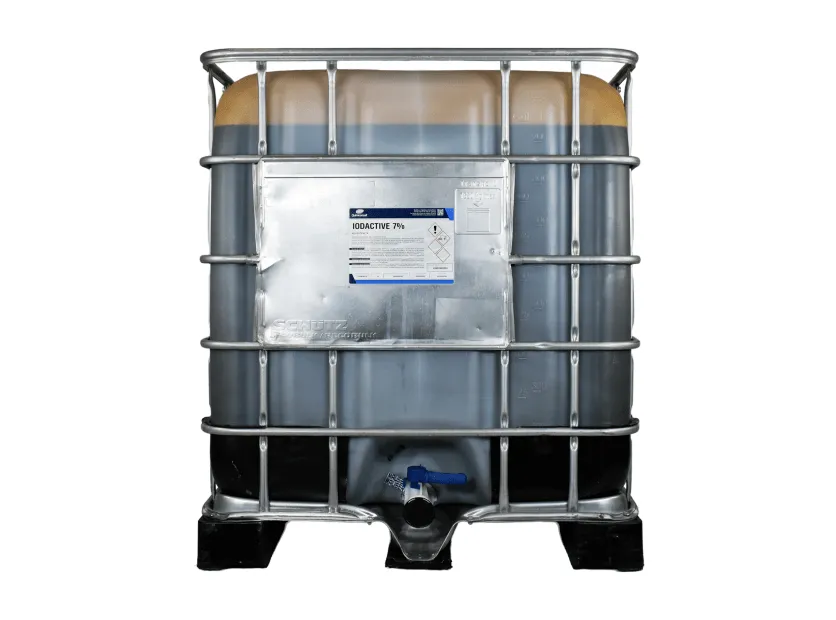
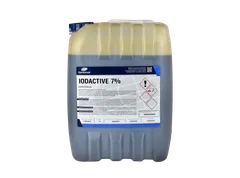
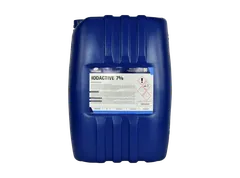
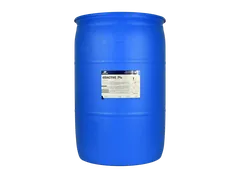
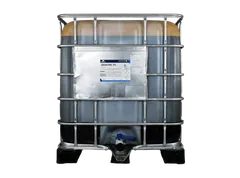
IODACTIVE 7% IODOPHOR FOR SURFACE DISINFECTION
View All Prices
| Quantity | Unit Price |
|---|---|
| kg | |
| 1 - 49 | USD 14.30 |
| 50 - 99 | USD 14.00 |
| 100 - 499 | USD 13.80 |
| 500 - 1999 | USD 12.00 |
| 2000 - 4999 | USD 11.50 |
| 5000+ | USD 10.80 |
Need more? Message us and we'll help you source the volume you're after.
Message us on WhatsApp Message usProduct Description: Ultra-Concentrated 7% Iodophor for the Most Demanding Disinfection
At Quimiconsult we offer Iodactive 7%, the highest-concentration iodophor in our line, formulated as an ultra-concentrated biocide with a minimum of 70,000 ppm of active iodine. This is the benchmark solution for operations that require maximum disinfecting power per liter of product: large livestock complexes, poultry integrators, food plants with multiple production lines, regional distributors and specialized veterinary applications such as navel dipping in newborn calves.
With 70,000 ppm of active iodine, Iodactive 7% offers more than 5 times the concentration of Iodactive 1.3% and more than double that of Iodactive 3%. This translates into extraordinary yield: a single liter of Iodactive 7% makes 2,800 liters of disinfectant solution at 25 ppm for surface sanitizing, or 175 liters at 400 ppm for footbaths. For operations with high daily consumption of disinfectant solution, this volumetric efficiency means less storage space, less frequent restocking, lower freight costs and a more compact inventory.
The formulation ensures high solubility and maximum stability in aqueous media. Despite its high concentration, Iodactive 7% dissolves completely in water without leaving residue, does not stain stainless steel, plastic or glass equipment, and reduces the surface tension of the application water, speeding up contact and penetration into porous surfaces, biofilms and microcracks. Its biocidal action is instantaneous on contact and covers Gram-positive and Gram-negative bacteria, fungi, yeasts and spores, maintaining its efficacy even in very hard water and under extreme temperature variations.
Iodactive 7% is distributed from Monterrey, Nuevo León, with shipping throughout Mexico and specialized technical advice.
Navel Care in Calves: The Signature Application of 7% Iodine
If there is one application for which 7% iodine is universally known in the livestock sector, it is navel care in newborn calves. This practice, recommended by virtually every bovine neonatal management guide worldwide, is one of the animal health interventions with the highest return on investment in beef and dairy production.
Why is 7% iodine used on a calf's navel? When a calf is born, the freshly cut or detached umbilical cord is a direct entry route for environmental bacteria into the newborn's bloodstream. If it is not properly disinfected, the navel can become infected, causing omphalitis (navel infection), which frequently progresses to omphalophlebitis (infection of the umbilical vessels), liver abscesses, septicemia and infectious arthritis. These complications are one of the leading causes of neonatal mortality in calves during the first weeks of life, and animals that survive an umbilical infection show significantly lower weight gains and higher veterinary costs throughout their productive life.
Why specifically 7% and not another concentration? The 7% concentration (70,000 ppm) has proven to offer the optimal balance among three critical factors for this application: enough disinfecting power to eliminate bacteria present in the calving environment (including E. coli, Staphylococcus spp., Streptococcus spp., Clostridium spp. and Arcanobacterium pyogenes), the ability to dry out the umbilical stump (concentrated iodine promotes rapid drying of the tissue, closing the bacterial entry route sooner), and safety for neonatal tissue (higher concentrations could cause chemical burns on the calf's surrounding skin).
Recommended application protocol. Navel care should be performed as soon as possible after birth, ideally within the first 15 to 30 minutes of life. The umbilical stump is fully immersed in a container (dip cup or wide-mouth bottle) holding the 7% iodine solution, making sure the liquid covers the entire base of the navel and the surrounding skin. This dip should be repeated 12 to 24 hours after birth to ensure the cord dries out completely. It is essential to use fresh solution and not reuse iodine that has been in contact with other animals' navels, to avoid cross-contamination.
Navel care in other species. Although the most documented application is in calves, the same umbilical disinfection protocol with 7% iodine is applied to lambs, kids, foals and piglets born in assisted deliveries. In the sheep and goat industry, where neonatal omphalitis is equally common in multiple births (twins and triplets), immediate umbilical disinfection is a standard practice in flock health programs.
Livestock and Veterinary Biosecurity Applications
Beyond navel care, Iodactive 7% is the benchmark concentration for high-level biosecurity programs in livestock facilities and veterinary clinics.
Poultry farms. The technical data sheet documents its use in barns, poultry farms, incubators, hatchers, transport vehicles and footbaths at concentrations of 100 to 400 ppm. In poultry complexes with dozens of houses, the 7% concentration allows a compact product inventory that covers the entire complex. Disinfection between production cycles, drinking water treatment and footbath preparation are all handled with a single concentrated product, simplifying purchasing and storage logistics.
Swine production. Gestation pens, farrowing rooms, slatted floors, feeders, drinkers and live animal transport vehicles are disinfected with Iodactive 7% diluted to the required concentrations. Disinfecting piglets' navels in assisted farrowings is another direct application of 7% iodine in this sector.
Veterinary clinics and hospitals. Iodactive 7% is used to disinfect surgical tables, recovery cages, surgical instruments (as a complement to sterilization), floors and exam room surfaces. The 7% concentration allows clinics to keep a single base product from which they prepare all the dilutions needed for different areas and applications.
Beef and dairy cattle. In addition to navel care, Iodactive 7% is used to disinfect milking equipment, bulk cooling tanks, handling pens, vaccination chutes, loading docks and cattle transport vehicles. In teat pre-dipping and post-dipping programs, the 7% concentration allows sealing solutions to be prepared at the exact concentration specified by the veterinarian in charge of the udder health program, with high yield per liter of concentrate.
Supply water disinfection. In large-scale livestock facilities, Iodactive 7% is dosed through proportional injection systems for continuous disinfection of animal drinking water, eliminating bacteria, yeasts and protozoa at concentrations of 5 to 20 ppm of active iodine.
Food Industry Applications
The Iodactive 7% technical data sheet documents specific dosages for three categories of application in the food industry:
Washing and disinfecting equipment in produce packing plants: 25 to 75 ppm of active iodine, according to the specifications set by each plant's quality control laboratory. This application covers sanitizing sorting, washing, packing and storage lines for fresh fruits and vegetables.
Washing and disinfecting hands and work equipment in food plants: 75 to 100 ppm, likewise according to the quality control laboratory's specifications. This concentration is suitable for personal hygiene programs for operating staff and for sanitizing cutting tools, utensils and work surfaces.
Disinfection of livestock and related facilities: 100 to 400 ppm for barns, farms, veterinary clinics, incubators, transport vehicles and footbaths.
The manufacturer's technical note states that the final dose adjustment depends on the condition and type of surface and on the bacterial load remaining after cleaning, which underscores the importance of validating working concentrations with each operation's quality control laboratory.
For CIP and COP systems, the 7% concentration offers a clear operational advantage: volumetric dosers work with minimal injection volumes, which reduces product consumption, wear on dosing pumps and the risk of leaks at dosing system connections.
Dosing Guide: Dilution Formula for Iodactive 7%
Volume of Iodactive 7% (mL) = (desired ppm × Final volume in liters) ÷ 70,000
Where 70,000 is the product concentration in ppm (7% = 70,000 ppm of active iodine).
Reference dosages: for produce packing plant equipment (25–75 ppm), 0.36 to 1.07 mL/L is needed. For hand and equipment washing in food plants (75–100 ppm), between 1.07 and 1.43 mL/L. For footbaths, barns and farms (100–400 ppm), between 1.43 and 5.71 mL/L. For animal drinking water (5–20 ppm), between 0.07 and 0.29 mL/L.
For navel care in calves, lambs, kids and foals: Iodactive 7% is used undiluted, applied by fully immersing the umbilical stump.
The efficiency of the 7% is remarkable: preparing a 100-liter footbath at 400 ppm takes only 571 mL of Iodactive 7% — less than one liter. The same footbath prepared with Iodactive 1.3% would require 3,077 mL (more than 3 liters). This difference in yield multiplies in operations that prepare footbaths, dip tanks and spray solutions several times a day.
Surface Tension Reduction: A Technical Advantage Exclusive to Iodactive 7%
The Iodactive 7% technical data sheet highlights a property not explicitly mentioned in the sheets for the lower concentrations: surface tension reduction of the application water. This characteristic has important practical implications worth understanding.
Surface tension is the force that makes water tend to form droplets instead of spreading evenly over a surface. When a conventional disinfectant is sprayed onto a stainless steel, glass or plastic surface, part of the liquid gathers into droplets that do not contact the underlying surface, leaving areas undisinfected. By reducing surface tension, Iodactive 7% makes the disinfectant solution spread more evenly, penetrate pores and microcracks more quickly, and contact a larger surface area for every milliliter applied.
This property is especially valuable when disinfecting porous surfaces such as concrete pens, slatted floors in hog farms, treated wood in cages and germination trays, and textured plastics on processing equipment — all surfaces where microorganisms tend to colonize microscopic irregularities that a disinfectant with high surface tension cannot reach.
Technical Specifications
Iodactive 7% is a dark reddish-brown liquid with a characteristic iodine odor. Active concentration: minimum 7.0% (70,000 ppm). Density at 20°C: 1.00–1.25 g/cm³. pH in 1% solution: 2.5–4.0. Non-flammable (NFPA flammability: 0). Non-reactive (NFPA reactivity: 0). Health hazard: NFPA 3. Incompatible materials: strong bases and metals. Transport: not regulated (no UN number).
Hazard classification: H302 (harmful if swallowed), H315 (causes skin irritation), H320 (causes eye irritation). Protective equipment: neoprene gloves, splash goggles, synthetic apron, boots and a gas respirator if ventilation is insufficient.
Since Iodactive 7% is the highest concentration in the line, handling precautions for the concentrate are especially important. Direct skin contact with the undiluted product causes temporary staining and can cause significant irritation. Always handle with full protective equipment and keep plenty of water available for immediate rinsing in case of accidental contact. Prolonged or repeated exposure by ingestion may cause effects on the thyroid.
Frequently Asked Questions About Iodactive 7%
What is 7% iodine used for in calves? 7% iodine is used for navel care in newborn calves. It is applied undiluted by fully immersing the umbilical stump, ideally within the first 15–30 minutes of life, with a second application at 12–24 hours. This practice prevents omphalitis and the systemic infections that are one of the leading causes of bovine neonatal mortality.
Can Iodactive 7% be used for navel care in lambs and kids? Yes. The umbilical disinfection protocol with 7% iodine is also applied to newborn lambs, kids and foals. In sheep and goats it is especially important in multiple births, where the risk of environmental contamination of the navel is higher.
How far does one liter of Iodactive 7% go? It depends on the application. At 25 ppm (surface sanitizing), 1 liter makes 2,800 liters of solution. At 100 ppm (barns and farms), 700 liters. At 400 ppm (footbaths), 175 liters. For navel care it is used undiluted.
Does Iodactive 7% need to be diluted for every application? No. For navel care in newborns it is used straight, undiluted. For all other applications (surfaces, equipment, water, footbaths) it is diluted to the required concentration.
Does 7% iodine stain? The undiluted concentrate can temporarily stain skin and clothing. However, once diluted to use concentrations (25–400 ppm), it does not stain stainless steel, plastic or glass surfaces thanks to its complete water solubility. Skin stains from contact with the concentrate fade naturally within a few days.
Can I use Iodactive 7% instead of the lower concentrations? Yes. Iodactive 7% can replace any other concentration in the Iodactive line simply by adjusting the dilution. Many operations prefer to keep a single product in inventory (the 7%) and prepare all their working solutions from it, simplifying purchasing, storage and logistics.
What is the price of Iodactive 7%? The price varies by package size and volume. Although the cost per liter is higher than the lower concentrations, the cost per ppm of active iodine is significantly lower, making it the most economical option for high-volume operations. Contact us for a quote.
Other Names and Synonyms
7% iodine / 7 percent iodine / iodine for navels / iodine for calves / iodine for navel care (yodo al 7% / yodo para ombligo / yodo para becerros): search terms directly associated with the best-known application of 7% iodophors in the livestock sector. If you reached this page looking for iodine to treat the navel of a calf, lamb or kid, Iodactive 7% is the product formulated specifically for this application.
Disinfectant iodine / iodine disinfectant / dark iodine / concentrated iodine: general terms for high-concentration liquid iodine formulations used in industrial and livestock disinfection.
Concentrated iodine solution / concentrated iodophor / iodine biocide: technical names used in biosecurity program documentation and sanitary audits.
Veterinary disinfectant iodine / iodine for farms / iodine for barns / iodine for veterinary clinics: veterinary and livestock sector terms that reflect demand for high-concentration iodine solutions for professional biosecurity.
CIP sanitizer / industrial iodine disinfectant / iodine for food plants: terms used by plant engineers and quality managers looking for high-performance products for automated sanitation systems.
Iodine for water disinfection / iodine for animal drinking water / iodine for water purification: livestock sector searches related to treating supply water on farms and animal production facilities.