Spanish
 English


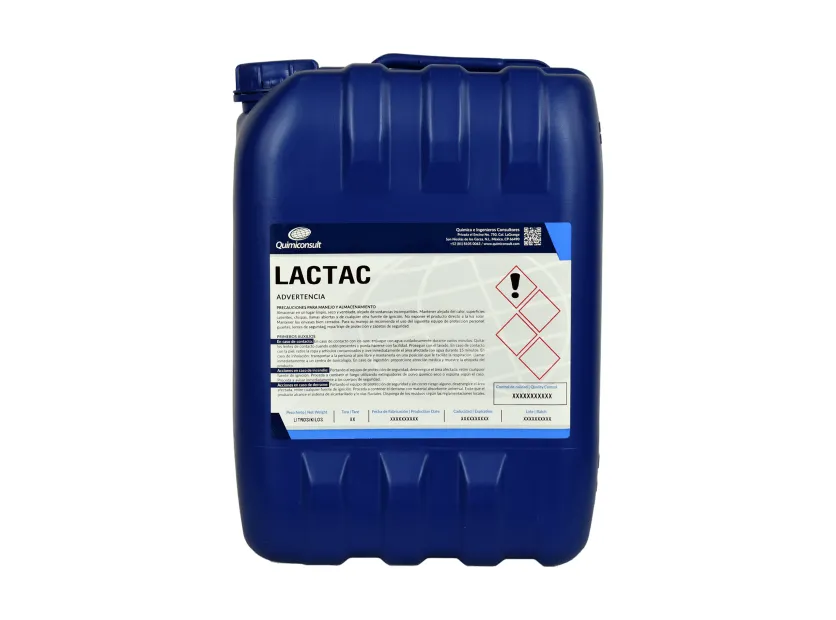
LACTAC ACID DETERGENT FOR REMOVAL OF ORGANIC MATTER AND SCALE
View All Prices
| Quantity | Unit Price |
|---|---|
| kg | |
| 1 - 99 | USD 1.31 |
| 100 - 199 | USD 1.29 |
| 200 - 499 | USD 1.27 |
| 500 - 999 | USD 1.24 |
| 1000 - 4999 | USD 1.22 |
| 5000 - 9999 | USD 1.20 |
| 10000 - 17999 | USD 1.18 |
| 18000+ | USD 1.16 |
Product description: Lactac, our in-house acid descaling detergent
At Quimiconsult we manufacture Lactac, a high-performance concentrated acid detergent formulated with phosphoric acid for the removal of mineral scale, limescale, fats and proteins in pasteurizers, milk coolers, conveying pipes, heat exchangers, evaporators, process and storage tanks, as well as polyethylene and stainless steel equipment in the food industry. Lactac is especially recommended for the dairy, meat and processed meats industries —production equipment, crates, molds and facility surfaces— where the buildup of milk stone, calcium and magnesium salts, and mineral residues compromises both hygiene and the thermal efficiency of the equipment. As direct manufacturers from our plant in Monterrey, Nuevo León, we control every stage of formulation and production under a certified SQF (Safe Quality Food) quality management system; in addition, Lactac is certified by NSF International and holds current Kosher certification, ensuring batch-to-batch consistency and direct technical support from the manufacturer to the end user.
Lactac was developed to solve one of the most costly and underestimated problems in food processing plants: mineral scale. When hard water, dairy residues or process minerals deposit on equipment surfaces, they form a hard layer (milk stone in dairy, beer stone in beverages, calcium scale in heat exchangers and pipes) that no conventional alkaline detergent can remove. This scale reduces heat transfer in pasteurizers and evaporators, harbors microorganisms shielded from the sanitation process, accelerates under-deposit corrosion and raises energy consumption. Lactac targets precisely this problem: its acid capacity (25.0 – 30.0%) dissolves mineral deposits and converts them into soluble salts that are easily carried away during rinsing, restoring the surface to its original clean condition.
Unlike generic acid descalers, Lactac is a completely stable product that does not release toxic vapors during normal storage and handling, making it safer to operate than many alternatives based on aggressive mineral acids. In addition, its high degree of biodegradability allows it to be used in plants with biological wastewater treatment (activated sludge or stabilization ponds), an increasingly relevant factor for companies with sustainability and environmental compliance commitments. For anyone looking for how to remove milk stone, a pasteurizer descaler, an acid detergent for stainless steel, an immersion descaler for dairy or where to buy a domestically manufactured biodegradable acid detergent, Lactac is the technical answer in the Quimiconsult catalog, with immediate availability and shipping throughout Mexico.
Technical features of Lactac acid detergent
Lactac is a slightly amber liquid concentrate with a density of 1.25 to 1.30 g/cc and an acidity of 25.0 to 30.0%, provided by its phosphoric acid content. These physicochemical properties give it a high descaling capacity on difficult mineral deposits: calcium carbonates and phosphates, magnesium salts, milk stone, beer stone, surface oxides and hard-water residues that build up on process surfaces and reduce equipment performance.
Lactac's mechanism of action combines two complementary effects. On one hand, the denaturation-precipitation action on proteins: the acidic medium denatures and precipitates residual proteins stuck to surfaces, making them easier to detach. On the other, the dissolution of mineral scale: phosphoric acid reacts with the calcium and magnesium salts that make up the scale, converting them into soluble phosphates that pass into the cleaning solution. Once the soil has been removed, the surfactants in Lactac's formulation keep organic and mineral matter in suspension, preventing its redeposition on the already clean surface. The result is deeper, more uniform, single-step cleaning that leaves the surface completely clean and, thanks to the nature of phosphoric acid, with a protective layer that temporarily prevents oxidation of stainless steel.
A distinctive technical advantage of phosphoric acid over other cleaning acids (such as hydrochloric acid) is that it is non-oxidizing and chloride-free, making it significantly more compatible with stainless steel: it does not cause pitting or chloride corrosion, a frequent problem when descalers based on muriatic acid are used. This extends the service life of stainless steel pasteurizers, heat exchangers, tanks and pipes, protecting the plant's equipment investment. Lactac produces medium foam, a profile that makes it suitable for application by immersion, soaking, spraying and scrubbing on surfaces, equipment and removable parts. Because of its foam level, Lactac is not intended for closed-loop recirculating CIP systems, which require low-foam detergents; for recirculating CIP cleaning we recommend a low-foam acid detergent from our catalog.
Lactac properties
- Descaler for mineral scale and milk stone: dissolves carbonates, calcium phosphates, magnesium salts and hard-water deposits that reduce heat transfer and harbor microorganisms.
- Removal of fats and proteins by denaturation-precipitation: an action driven by its acid capacity, complementary to the alkaline detergents in the cleaning cycle.
- Anti-redeposition surfactant properties: keeps organic matter in suspension for fast and complete removal, preventing soil from re-adhering.
- Passivating protective layer: leaves the stainless steel surface clean and temporarily protected against oxidation, taking advantage of the passivating effect of phosphoric acid.
- Compatibility with stainless steel: as a non-oxidizing, chloride-free acid, it minimizes the risk of pitting and corrosion compared with hydrochloric descalers.
- High biodegradability: suitable for plants with biological wastewater treatment (activated sludge, stabilization ponds).
- Stability and safe handling: a stable product that does not release toxic vapors under normal storage and handling conditions.
- Medium foam: suitable for application by immersion, soaking, spraying and scrubbing; not intended for closed-loop recirculating CIP (which requires low foam).
Lactac applications in industry
Dairy industry: milk stone removal
Lactac's leading application is milk stone removal in plants that process milk, cheese, yogurt, cream and dairy products. Milk stone is a hard deposit made up mainly of calcium phosphate, mineral salts and denatured protein that forms when milk residues react with hard water and process heat. It builds up in HTST and batch pasteurizers, plate heat exchangers, milk coolers, process and storage tanks, cheese vats, conveying pipes and filling lines. This scale cannot be removed with alkaline detergents; it specifically requires an acid treatment, in which Lactac dissolves the minerals and restores the heat transfer and hygienic condition of the equipment. Lactac complements the alkaline detergent within the cleaning program (rinse → alkaline → rinse → acid → rinse → sanitation), applied by immersion, soaking, open recirculation or spraying on equipment and removable parts. For closed recirculating CIP circuits, where low foam is required, we recommend a low-foam acid detergent from our catalog.
Meat and processed meats industry
In the processed meats and meat products industry, Lactac is used for deep cleaning of production equipment, crates, polyethylene molds, tables, process tanks and facility surfaces where mineral-protein residues and hardened crusts build up. Its combined action of protein denaturation and mineral dissolution makes it ideal for the mixed deposits typical of slaughterhouses, cutting rooms, cooked sausage plants and meat processors in general.
Beverage and brewing industry: beer stone
Equipment in the beverage and brewing industry accumulates beer stone, a deposit of calcium oxalate and protein that forms in fermentation tanks, filling lines, heat exchangers and pipes. As with milk stone, this deposit can only be removed effectively with an acid cycle. Lactac can be used for descaling tanks, lines, bottle washers (acid cycle), heat exchangers and equipment surfaces in breweries, soft drink plants, water bottlers and juice plants.
Heat exchangers, evaporators and thermal process systems
Any equipment that transfers heat —plate heat exchangers, evaporators, heaters, coolers, condensers— loses thermal efficiency when it becomes encrusted with calcium scale and mineral deposits. A thin layer of scale can significantly increase energy consumption. Lactac restores the efficiency of this equipment by dissolving the mineral scale, which translates into direct energy savings and longer operating cycles between maintenance shutdowns.
Passivation and maintenance of stainless steel
As a non-oxidizing phosphoric acid, Lactac contributes to the passivation of stainless steel, promoting the formation of the protective chromium oxide layer that provides corrosion resistance. This is useful after maintenance, welding or equipment repair work, and as a conditioning treatment for new metal surfaces.
Other industrial applications
Beyond the food sector, Lactac is used for removing limescale and mineral deposits in water systems, pipes, tanks and process equipment in pharmaceutical, animal nutrition and agro-industrial plants, as well as on utensils, molds and removable polyethylene and stainless steel components in general. In all cases, the concentration and protocol must be validated with Quimiconsult's technical team according to the specific characteristics of the equipment, the type of scale and the hardness of the plant's water.
Benefits of Lactac acid detergent
Restores equipment thermal efficiency. By removing mineral scale from pasteurizers, heat exchangers and evaporators, Lactac restores heat transfer, reduces energy consumption and returns equipment to its design capacity.
Removes deposits no alkaline cleaner can. Milk stone, beer stone and mineral scale only dissolve with an acid cycle. Lactac is the piece that completes the cleaning program and prevents these deposits from building up shift after shift and becoming sources of microbiological contamination.
Protects stainless steel. Unlike hydrochloric acid–based descalers, Lactac is chloride-free and non-oxidizing, minimizing the risk of pitting and corrosion and leaving a temporary protective layer against oxidation. This extends equipment life and protects the plant's investment.
Deep cleaning in a single step. Its surfactant properties keep soil in suspension and prevent redeposition, achieving a completely clean surface without rework.
Safer handling. A stable product that does not release toxic vapors under normal storage and handling conditions, compared with more volatile acid alternatives.
Compatible with biological water treatment. Its high biodegradability allows it to be used in plants with activated sludge or stabilization ponds, in line with the customer's environmental goals.
Backed by in-house manufacturing. Produced in an SQF-certified plant in Monterrey, with SADER (formerly SAGAR) registration Q-7498-003, batch-to-batch consistency, direct technical support and complete documentation for audits and supplier approval.
Lactac technical specifications
- Description: Concentrated acid descaling detergent
- Active ingredient: Phosphoric acid (28 – 32%)
- Acidity: 25.0 – 30.0%
- Appearance: Slightly amber liquid
- Density: 1.25 – 1.30 g/cc
- Foam: Medium
- Biodegradability: High
- Stability: Stable product; does not release toxic vapors under normal handling conditions
- Regulatory registration: SADER (formerly SAGAR) Q-7498-003
- Plant certification: SQF (Safe Quality Food)
- Storage: Room temperature, in the original closed container
Every delivery comes with its Certificate of Analysis (COA), Safety Data Sheet (HDS/SDS), Technical Data Sheet (TDS) and any additional regulatory documentation the customer requires for audits and supplier approval processes.
Lactac certifications and credentials
NSF International certification: Lactac is certified by NSF, a world reference body for evaluating chemicals for the food industry. This certification makes compliance easier during food safety audits under schemes such as FSSC 22000, SQF, BRC and HACCP, as it shows the detergent was evaluated by an internationally recognized third party for use in food plants.
Kosher certification: Lactac holds current Kosher certification, an attribute required by plants serving markets with religious certification requirements, exporters and brands that require all their inputs —including cleaning products— to comply with this standard.
SADER (formerly SAGAR) registration and SQF plant: Lactac holds registration Q-7498-003 with the Mexican agri-food authority and is manufactured in an SQF (Safe Quality Food)–certified plant, recognized by the Global Food Safety Initiative (GFSI). This combination —an NSF- and Kosher-certified product made in an SQF-certified plant— gives your audits and supplier approval processes a double guarantee: a certified product manufactured in a certified plant.
Recommended Lactac concentrations and dosages
The correct dilution of Lactac depends on the type of equipment, the degree of scaling and the hardness of the plant's water. The documented reference dilutions are as follows; the optimal concentration must be confirmed through validation tests with Quimiconsult's technical team.
- Polyethylene utensils, tanks and molds (contact / immersion):
Dilution: 1:20 to 1:50
Temperature: 70 °C
Contact time: 10 min - Milk stone removal in dairy equipment:
Dilution: 1:20 to 1:50 (adjust)
Temperature: 60 – 70 °C
Contact time: 10 – 20 min, validate - Beer stone removal in beverages:
Dilution: 1:20 to 1:50 (adjust)
Temperature: 60 – 70 °C
Contact time: Validate according to deposit - Descaling by soaking or open recirculation (equipment and lines):
Dilution: Validate according to scale and hardness
Temperature: According to equipment
Contact time: Validate - Descaling of heat exchangers and evaporators:
Dilution: Validate according to degree of scaling
Temperature: 60 – 70 °C
Contact time: Validate
Practical calculation: a 1:20 dilution equals 1 part Lactac per 20 parts of working solution (approx. 5 L of Lactac per 100 L of solution); a 1:50 dilution equals 1 part per 50 (approx. 2 L of Lactac per 100 L). We recommend preparing the solution with good-quality water and checking the concentration in operation according to the scale load.
How to use Lactac
Application by contact or immersion
For cleaning polyethylene utensils, process tanks and molds by contact or immersion, dilutions of 1:20 to 1:50 are recommended, at a temperature of 70 °C, for 10 minutes. Contact time and temperature promote the dissolution of scale and the denaturation of residual protein.
Application by soaking, open recirculation and spraying
For descaling equipment such as pasteurizers, plate heat exchangers, coolers, tanks and conveying lines, Lactac is applied by soaking, open recirculation or spraying, allowing the acid solution to act on the scale for the necessary contact time, followed by rinsing. The acid treatment is carried out after the alkaline cycle and its rinse, at the concentration and temperature validated to dissolve the mineral scale. Because of its medium foam level, Lactac is not intended for closed-loop recirculating CIP systems, which require low-foam acid detergents; in those cases we recommend a low-foam product from our catalog. Concentration, temperature and time must be determined according to the type of equipment, the degree of scaling and the water hardness.
Preparation recommendations
Use potable-quality water in a clean container dedicated to the operation, add Lactac at the corresponding dilution and mix until uniform. The optimal concentration and frequency of the acid cycle must be adjusted through validation tests that take into account the hardness of the plant's water, the type of deposit and post-cleaning microbiological counts. Quimiconsult's technical team is available to support the customer during the testing stage and fine-tuning of the protocol.
Safety, handling and storage of Lactac (SDS information)
Lactac is a corrosive product. According to its Safety Data Sheet, it is classified as Skin Corrosion Category 1 and Serious Eye Damage Category 1, with the signal word Danger. It causes severe skin burns and serious eye damage (H314) and may cause respiratory irritation (H335). It must be handled with appropriate personal protective equipment.
Personal protective equipment (PPE): chemical splash goggles (and a face shield for continuous or severe exposure), impermeable chemical-resistant gloves, suitable protective clothing and footwear, and respiratory protection if necessary. Wash thoroughly after handling.
Key incompatibilities: do not mix with bleach (chlorine) or chlorinated products, since mixing an acid with hypochlorite releases toxic chlorine gas. Keep away from bases, reducing agents and metals.
First aid:
- Skin contact: immediately remove contaminated clothing, wash with plenty of water and get medical attention.
- Eye contact: rinse cautiously with water for several minutes, remove contact lenses if easy to do, continue rinsing and get immediate medical attention.
- Ingestion: rinse mouth, do not induce vomiting and contact a physician or poison control center immediately.
- Inhalation: move to fresh air; if breathing is difficult, give oxygen and get medical attention.
Storage: keep at room temperature, in the original tightly closed container, in a cool, dry and well-ventilated place, protected from direct sunlight and away from incompatible materials. Complies with NOM-018-STPS-2015 and is classified and labeled in accordance with the Globally Harmonized System (GHS).
Disposal: both leftover product and empty containers must be disposed of in accordance with current environmental protection and hazardous waste legislation. Empty containers must not be reused to store food, drinking water or other chemicals.
Lactac compared with other acid detergents
Lactac (phosphoric acid) vs. hydrochloric (muriatic) acid–based descalers: hydrochloric acid is inexpensive and very aggressive, but it contains chlorides that cause pitting and corrosion in stainless steel, and it releases irritating vapors. Lactac, as a non-oxidizing, chloride-free phosphoric acid, offers effective descaling of minerals with much lower risk of equipment damage and safer handling.
Lactac vs. nitric acid–based descalers: nitric acid is effective and passivating, but it is a strong oxidizing agent, more dangerous to handle and subject to greater environmental restrictions. Lactac provides descaling capacity and a passivating effect with a more stable handling profile and high biodegradability.
Lactac vs. imported generic acid detergents: many products on the market use acid blends without specific anti-redeposition surfactants or local manufacturing support. Lactac guarantees certified acidity (25.0 – 30.0%), a surfactant system that prevents redeposition, high biodegradability, in-house manufacturing in an SQF plant, SADER registration and direct on-site technical support, without the lead times or logistical dependence of an imported product.
Frequently asked questions about Lactac
What is Lactac and what is it used for?
Lactac is a concentrated phosphoric acid–based acid detergent manufactured by Quimiconsult, designed to remove mineral scale, milk stone, limescale, fats and proteins in pasteurizers, coolers, heat exchangers, pipes, process tanks and polyethylene and stainless steel equipment in the food industry, especially dairy, meat and processed meats. It is the acid-cycle detergent that complements alkaline detergents to achieve complete cleaning.
How is milk stone removed with Lactac?
Milk stone (a deposit of calcium phosphate, minerals and protein) can only be removed with an acid treatment. Lactac dissolves the minerals that form the scale and converts them into soluble salts that are carried away in the rinse. It is applied by immersion, soaking, open recirculation or spraying (dilutions of 1:20 to 1:50, at 70 °C for 10 minutes for parts and removable equipment), at the concentration validated for the water hardness and degree of scaling.
Does Lactac damage stainless steel?
No, when used as recommended. Unlike hydrochloric acid–based descalers, Lactac is a non-oxidizing, chloride-free phosphoric acid, so it does not cause pitting or chloride corrosion and in fact leaves a temporary protective layer that helps prevent oxidation of stainless steel.
Can Lactac be used for CIP cleaning?
Lactac produces medium foam, so it is intended for descaling by immersion, soaking, open recirculation and spraying, not for closed-loop recirculating CIP systems, which require low-foam acid detergents. If your operation runs recirculating CIP, we will gladly recommend a low-foam acid detergent from our catalog.
What dilutions are recommended for Lactac?
For contact or immersion of polyethylene utensils, tanks and molds, dilutions of 1:20 to 1:50 are recommended, at 70 °C for 10 minutes. For descaling equipment by soaking, open recirculation or spraying, the concentration is adjusted according to the type of equipment, the degree of scaling and the water hardness. Quimiconsult's technical team can support the validation of the protocol.
Is Lactac biodegradable?
Yes. Lactac has a high degree of biodegradability, which allows it to be used in plants with biological wastewater treatment such as activated sludge or stabilization ponds.
Is Lactac safe to handle?
Lactac is a stable product that does not release toxic vapors under normal storage and handling conditions. However, it is corrosive (Category 1 for skin and eyes), so it must be handled with appropriate PPE (goggles, chemical-resistant gloves, protective clothing) and never mixed with bleach or chlorinated products, as this would release chlorine gas. Always consult the SDS before use.
Which regulations does Lactac comply with?
Lactac holds SADER (formerly SAGAR) registration Q-7498-003, is labeled in accordance with NOM-018-STPS-2015 and the Globally Harmonized System (GHS), and is manufactured in an SQF-certified plant in Monterrey, Nuevo León.
Where is Lactac manufactured?
Lactac is manufactured directly by Quimiconsult in its SQF-certified plant located in Monterrey, Nuevo León, Mexico. As direct manufacturers we control the entire value chain, ensuring batch-to-batch consistency, traceability and direct technical support from the manufacturer to the end user.
Where to buy Lactac in Mexico?
At Quimiconsult we are the direct manufacturer of Lactac, with immediate availability from our plant in Monterrey and shipping throughout Mexico. Contact us at +52 (81) 8105 0063, where our technical team will advise you on the optimal concentration, application protocol and the most convenient commercial terms.
Other names and terms related to Lactac
Lactac is a registered trademark of Quimiconsult. In purchase requests, specification sheets and online searches, this product is often referred to through functional descriptions used by buyers, maintenance managers, sanitation supervisors and quality managers who are looking for the solution without knowing the brand name:
- acid detergent for the food industry / acid detergent for dairy / acid detergent for meat processing
- pasteurizer descaler / heat exchanger descaler / evaporator descaler
- milk stone remover (removedor de piedra de leche) / how to remove milk stone
- beer stone remover (removedor de piedra de cerveza)
- immersion descaler / soak descaler / spray descaler for plant equipment
- limescale remover for stainless steel / acid cleaner for stainless steel
- mineral scale remover for plants / removing scale from process pipes
- phosphoric acid for cleaning food equipment / phosphoric acid–based cleaner
- biodegradable acid detergent / chloride-free descaler / chlorine-free descaler
- acid cleaner for milk coolers / descaler for process tanks
- stainless steel passivation product / stainless steel passivator
- NSF-certified acid detergent / kosher acid detergent for the food industry
- acid detergent price / where to buy acid detergent for a food plant / acid detergent Mexico
- Lactac Quimiconsult / Lactac detergent / Lactac acid
These variations help buyers, plant technicians and quality managers find Lactac within Quimiconsult's in-house range of acid descaling detergents, setting it apart from the generic and imported products on the market.
Why buy Lactac from Quimiconsult?
Quimiconsult is a Mexican company with more than 30 years of experience in specialty chemicals for the food, pharmaceutical, cosmetic, animal nutrition, agricultural and industrial sectors. We are the direct manufacturer of Lactac and of a growing family of detergents and sanitizers developed for the real needs of Mexican industry.
When you buy Lactac from Quimiconsult you get:
- A product certified by NSF International, recognized backing for your food safety audits (FSSC 22000, SQF, BRC, HACCP).
- Current Kosher certification, for operations serving markets with religious certification and export requirements.
- An in-house manufactured product made in an SQF-certified plant, with full control of the value chain.
- SADER (formerly SAGAR) registration Q-7498-003 and compliance with NOM-018-STPS-2015 / GHS.
- Compatibility with stainless steel thanks to its non-oxidizing, chloride-free phosphoric acid base.
- High biodegradability, suitable for plants with biological water treatment.
- Direct technical support from the manufacturer, with advice on descaling protocols, validation and concentration adjustment under your specific conditions.
- Immediate availability from Monterrey, Nuevo León, with shipping throughout Mexico and without the logistical dependence of an imported product.
- Complete regulatory documentation (COA per batch, TDS, SDS) for audits and supplier approval.
Does your dairy, meat, processed meats or beverage plant need to eliminate milk stone, limescale or scale that reduces the efficiency of your equipment? Contact us today at +52 (81) 8105 0063: we will analyze your case, review the type of scale and your water hardness, propose a validatable descaling protocol and offer you the most competitive quote on the market.
Related products
Lactac is part of our portfolio for industrial cleaning, food and beverages, animal health and nutrition (dairy farms) and water treatment. Some products from our catalog that complement its use within a cleaning and sanitation program:
- Lactac LF — low-foam acid descaling detergent, the option for closed-loop recirculating CIP cleaning where Lactac (medium foam) is not ideal.
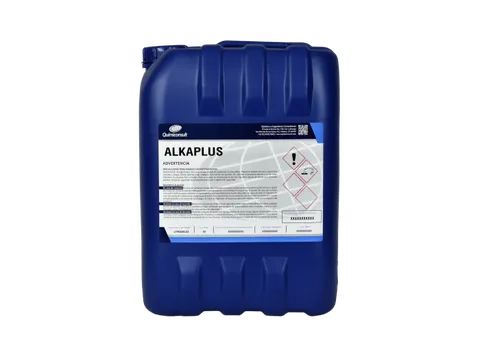
- Alkaplus — chlorine-free self-foaming alkaline detergent for removing fat, protein and biofilm; complementary to Lactac in the alkaline cycle of the cleaning program.
- Silad B700 — silicone antifoam for foam control in water-based processes and systems.
- STR Sanitizer and STR 100 — sanitizers for the final step of the cleaning program, after the alkaline and acid cycles.
- Peracetic acid (5% / 15%) — broad-spectrum, no-rinse oxidizing sanitizer for surfaces and process equipment.
- Sanidet and Quaternary ammonium (4th generation) — sanitizers for plant surfaces and facilities.
- EDTA, Sodium gluconate and PBTC — sequestrants and antiscalants to reinforce cleaning and scale control in very hard water.
Looking to build a complete cleaning and sanitation program for your plant or dairy farm? Contact us and we will gladly review the options in our catalog for your industry.
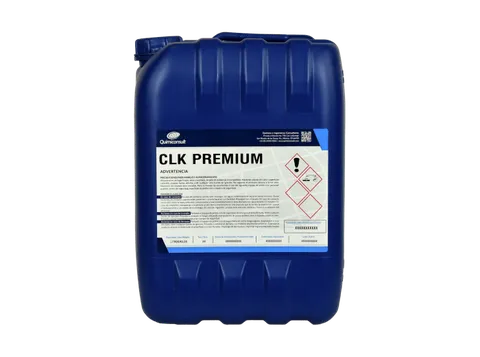
CLK PREMIUM CHLORINATED ALKALINE CIP DETERGENT FOR REMOVAL OF FAT AND PROTEIN
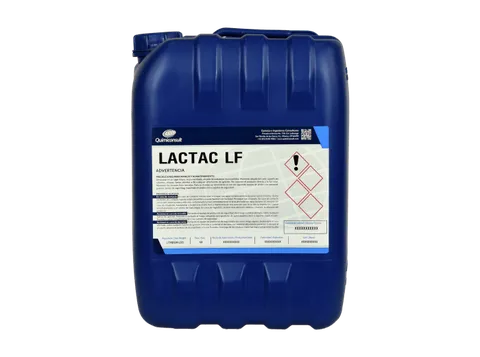
LACTAC LF ACID CIP DETERGENT FOR REMOVAL OF ORGANIC MATTER AND SCALE