 Spanish
 English


Citric acid: much more than lemons
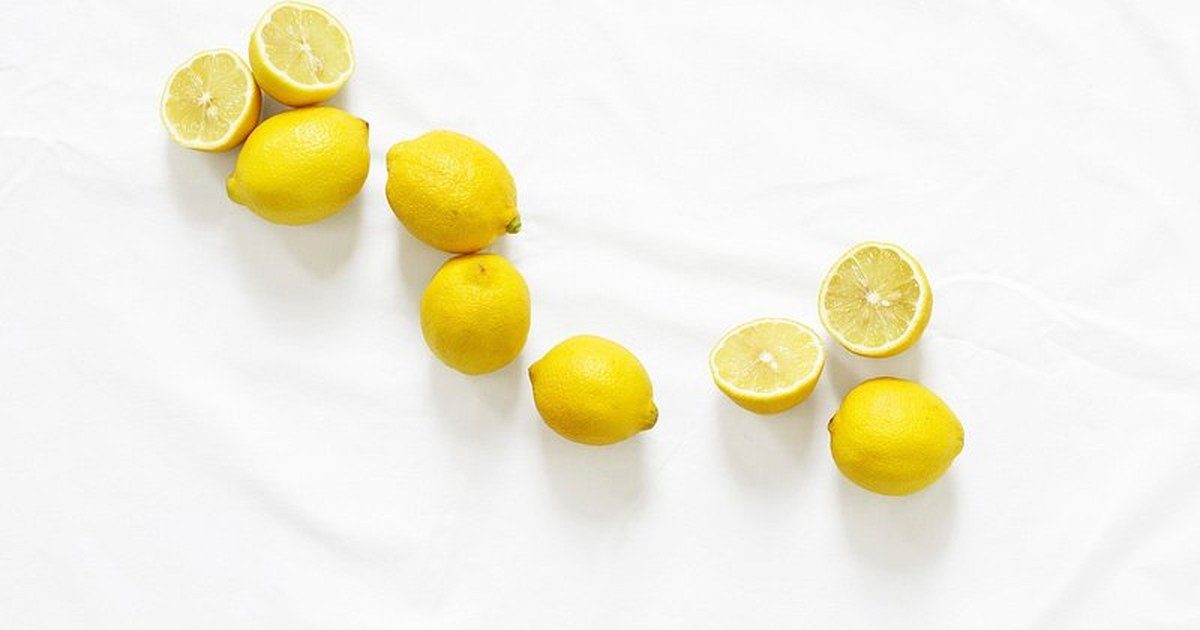
Citric acid gives lemons their sour taste, but almost all the citric acid industry uses has never been near a lemon. More than 2 million tonnes are produced every year, and it ends up in your soft drink, your coffee-maker descaler, fizzy tablets and hospital blood bags. Here is why it is so versatile.
What is citric acid?
Citric acid (C₆H₈O₇, CAS 77-92-9) is a weak organic acid found naturally in citrus fruit. Swedish chemist Carl Wilhelm Scheele first isolated it in 1784 by crystallizing it from lemon juice.
The big shift came in 1917, when chemist James Currie found that the mould Aspergillus niger produces citric acid as it ferments sugars. Since then it has been made by fermenting molasses, corn or other sugar sources, not from lemons.
The FDA recognizes it as GRAS (Generally Recognized as Safe), and in the European Union it is food additive E330.
Four jobs in one molecule
Citric acid is in so many products because it does four things at once:
- Acidifies and regulates pH: it gives a clean sour taste and adjusts the acidity of foods, drinks and cosmetics.
- Binds metals: it captures calcium, magnesium and iron ions. That softens water and stops metals from speeding up oxidation.
- Helps preserve: by lowering pH, it makes preservatives work better and boosts antioxidants.
- Dissolves scale: it reacts with calcium carbonate deposits and makes them soluble.
Uses you didn't know about
Beverages and food. More than half the world's citric acid is used as an acidity regulator in drinks. It is also in sweets, jams, canned food and cut fruit, where it helps prevent browning.
Cleaning. About a fifth of production goes into detergents and cleaners. It softens hard water, replaces phosphates in many formulas and is the base of many descalers for coffee makers, kettles and bathrooms.
Stainless steel. Industry uses it to passivate stainless steel: it removes free iron from the surface and helps form the layer that protects it from corrosion. The ASTM A967 standard includes it as a passivation method.
Pharmaceuticals. Together with sodium bicarbonate, it creates the fizz in effervescent tablets. It also adjusts the pH of syrups and solutions.
Hospitals. Citrate, the salt of citric acid, is used as an anticoagulant in the bags that store donated blood.
Cosmetics. It adjusts the pH of creams, shampoos and soaps so they are gentle on skin.
Citric acid, sodium citrate or EDTA: which to use?
Product | What it is | Use it to |
|---|---|---|
The acid, without water of crystallization | Acidify, lower pH, descale, passivate | |
The sodium salt of citric acid | Regulate pH without strong acidity, mild taste, emulsify processed cheese | |
A synthetic chelating agent | Bind metals more strongly than citrate, in cleaning and agriculture |
Anhydrous citric acid has no water in its crystal, so it delivers more acid per kilo than the monohydrate. It is the preferred form for powder blends and tablets.
Browse all our pH regulators for food and beverages.
Frequently asked questions
Is citric acid made from lemons? Not the industrial kind. For more than a century it has been made by fermenting sugars with the mould Aspergillus niger. It is the same molecule as the one in lemons.
Is citric acid safe? Yes. The FDA recognizes it as GRAS, and in the European Union it is food additive E330. As with any powdered acid, plant staff handle it with goggles and gloves.
Does citric acid remove limescale? Yes. It dissolves calcium carbonate deposits, which is why it is the base of many descalers for coffee makers, kettles and equipment.
What is the difference between citric acid and sodium citrate? Sodium citrate is the salt of citric acid. It is much less acidic, tastes slightly salty and is used to stabilize pH rather than lower it.
What is the difference between anhydrous and monohydrate citric acid? The monohydrate has one water molecule in its crystal; the anhydrous form does not. Anhydrous is more concentrated and preferred in powders and tablets.
How Quimiconsult helps
Quimiconsult distributes citric acid and its derivatives from Monterrey, Nuevo León, with shipping across Mexico:
- Ensign® anhydrous citric acid: food grade, minimum purity 99.5%.
- Ensign® trisodium citrate dihydrate: food grade, meets USP and FCC.
- EDTA chelating agent: for when you need to bind metals more strongly.
- Documentation and support: certificate of analysis per batch, technical data sheet, safety data sheet and formulation guidance.
Want to know how much to use in your formula? Talk to a technical advisor.
Related articles

Chlorhexidine: what it is, what it's for and which concentration to use
What chlorhexidine is, how it's used in mouthwash, antiseptics and teat dips, how to dilute the 20% concentrate and how it compares with povidone-iodine.
Glycerin: what it is, what it's for and how to choose the right grade
What glycerin is used for in cosmetics, pharma, food and industry, how crude, USP and vegetable glycerin differ, and why the grade matters.
Xanthan and guar gum: what they are and why they're everywhere
From salad dressing to toothpaste: what xanthan and guar gum are, how they differ and how to choose the right one for your product.
