Spanish
 English


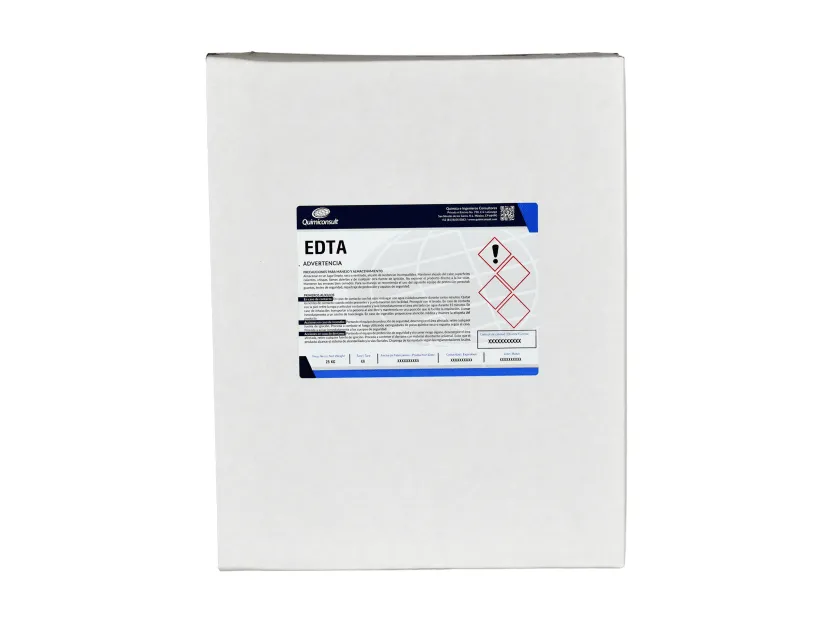
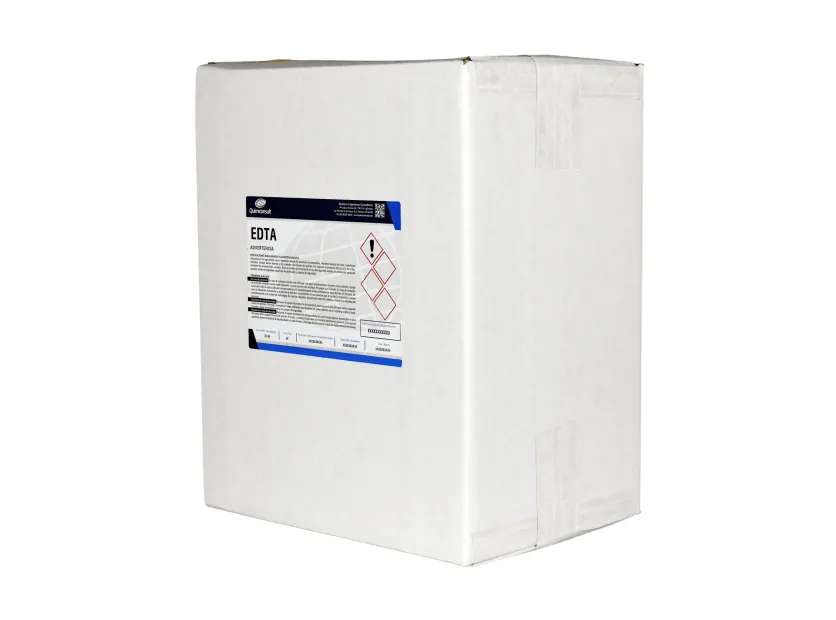
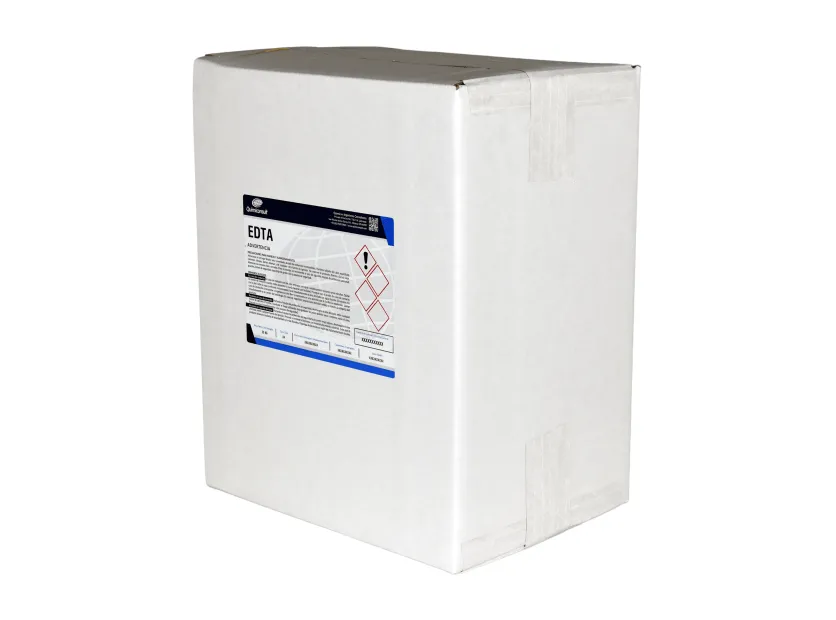
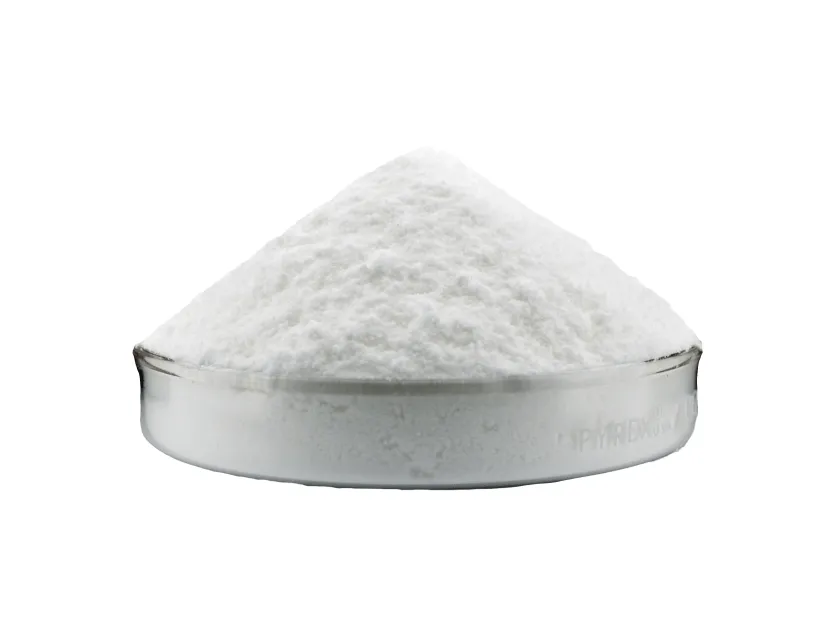
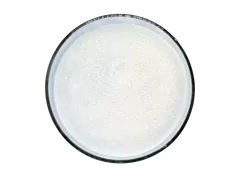
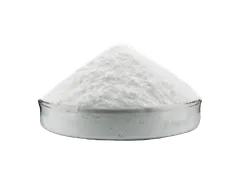
EDTA CHELATING AGENT
View All Prices
| Quantity | Unit Price |
|---|---|
| kg | |
| 1 - 99 | USD 3.64 |
| 100 - 199 | USD 3.61 |
| 200 - 499 | USD 3.56 |
| 500 - 999 | USD 3.51 |
| 1000 - 4999 | USD 3.46 |
| 5000 - 9999 | USD 3.41 |
| 10000 - 17999 | USD 3.36 |
| 18000+ | USD 3.32 |
Need more? Message us and we'll help you source the volume you're after.
Message us on WhatsApp Message usProduct description: EDTA, a high-purity chelating agent
At Quimiconsult we offer EDTA (ethylenediaminetetraacetic acid), the most important and widely used chelating agent in industry, with a minimum purity of 99% and a proven ability to form stable complexes with virtually every metal ion of industrial and agricultural relevance. EDTA is an organic molecule that acts as a hexadentate ligand, meaning it coordinates metals reversibly through four acetate positions and two amino positions, wrapping the metal ion in an extraordinarily stable octahedral coordination structure that keeps it soluble and bioavailable in solution.
EDTA’s powerful chelating capacity makes it an indispensable compound in many industrial sectors. In agriculture, EDTA binds micronutrient metal ions such as iron, zinc, manganese, copper and calcium, preventing them from precipitating in the soil as insoluble oxides, hydroxides or carbonates that plant roots cannot absorb. By keeping these micronutrients in a chelated, soluble form, EDTA dramatically improves fertilizer efficiency and crop yields, particularly in calcareous, alkaline or high-carbonate soils where micronutrient fixation is a critical agronomic problem.
Beyond agriculture, EDTA plays essential roles in the textile industry, the pulp and paper industry, water treatment, the food industry, the pharmaceutical industry, the cosmetics industry, photography, industrial cleaning and environmental remediation. Its versatility lies in the fact that chelating metal ions is a cross-cutting need in very diverse industrial processes: from preventing discoloration of textile fibers to removing calcium scale in boilers, from stabilizing pharmaceutical formulations to improving detergent efficacy in hard water.
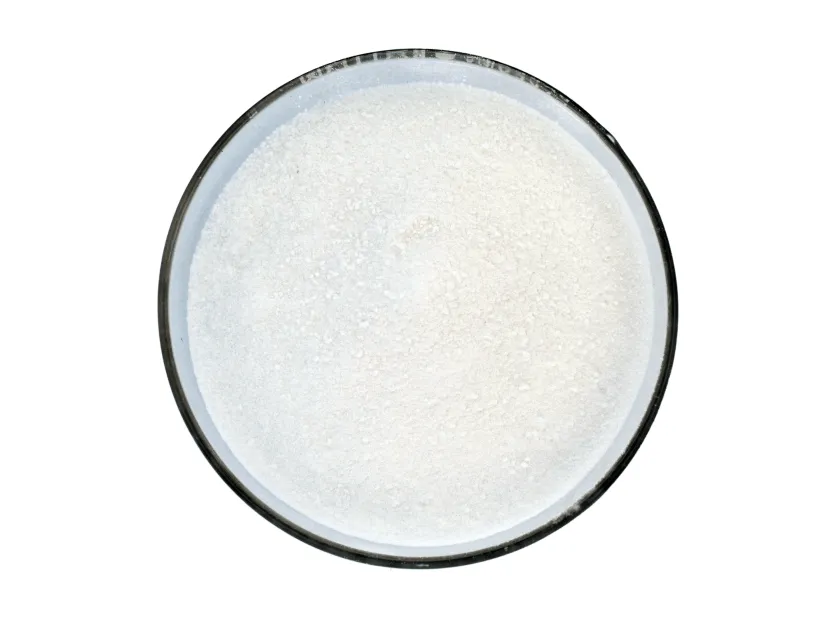
At Quimiconsult we distribute high-purity EDTA with technical support, full traceability and documentation in Spanish, giving formulators, purchasing departments and process engineers access to this critical input with inventory available in Mexico and competitive delivery times. EDTA is a white, odorless solid with a pH of 11.0 to 13.0 in a 1% solution and is chemically identified by CAS number 13235-36-4.
Benefits of EDTA as an industrial chelating agent
The fundamental benefit of EDTA is its superior chelating capacity compared with any other commercially available complexing agent. As a hexadentate ligand, EDTA forms metal-ligand complexes with exceptionally high stability constants with virtually all di- and trivalent metal cations in the periodic table. This thermodynamic affinity means EDTA sequesters metal ions extremely efficiently, even when they are present at very low concentrations or alongside other competing ligands, ensuring predictable and reproducible results in every industrial application.
The reversibility of chelation is another distinguishing benefit of EDTA. Metal-EDTA complexes are stable but not permanent: the metal ion can be released under controlled conditions of pH or temperature, or through exchange with another metal of higher affinity. This property is the basis for applications such as plant nutrition (where the chelated micronutrient is gradually released for uptake by the plant), complexometric titration (where EDTA is used as an analytical standard) and medical chelation therapy (where EDTA is administered to remove toxic metals from the body).
EDTA’s 1:1 stoichiometry with metal ions greatly simplifies dosing calculations in industrial applications. Regardless of the metal to be chelated, one EDTA molecule complexes one metal ion, allowing the process engineer or formulator to calculate precisely the amount of EDTA needed to treat a known concentration of problematic metal ions, without the stoichiometric complications of other chelating agents with variable metal-ligand ratios.
The broad water solubility of EDTA salts (particularly the disodium and tetrasodium salts) makes them easy to incorporate into all kinds of aqueous formulations, from fertigation nutrient solutions to detergent formulations, from pharmaceutical syrups to textile dye baths. Free EDTA acid has lower water solubility but dissolves easily in alkaline solutions, consistent with its pH of 11.0 to 13.0 in a 1% solution.
EDTA’s chemical stability under normal storage and processing conditions is a relevant practical benefit. The product is stable at room temperature and requires no stabilizers or special storage conditions beyond keeping it dry. Thermal decomposition only begins at temperatures above 220°C, well above the usual process temperatures in most industrial applications.
Its compatibility with a wide range of formulations allows EDTA to be integrated into acidic, neutral and alkaline aqueous systems, in the presence of surfactants, polymers, pigments, active ingredients and other additives, without interfering with the functionality of the other components of the formulation. In many cases, the presence of EDTA improves the performance of other ingredients by removing metal ions that could interfere with their action.
Finally, EDTA offers an exceptional cost-efficiency ratio as a chelating agent. Its high purity (minimum 99%), its 1:1 stoichiometric efficiency and its wide commercial availability make it the most economical option per mole of chelated metal in the vast majority of industrial applications, outperforming alternatives such as citric acid, gluconates, DTPA and other complexing agents that require higher doses or have lower stability constants.
EDTA applications in industry
Agrochemicals and plant nutrition
The most widespread application of EDTA worldwide is the formulation of chelated micronutrients for agriculture. EDTA chelates with iron (Fe-EDTA), zinc (Zn-EDTA), manganese (Mn-EDTA), copper (Cu-EDTA) and calcium (Ca-EDTA) are the most common forms of supplying these essential micronutrients to crops, both foliarly and through fertigation systems. Chelation with EDTA prevents these micronutrients from precipitating as insoluble compounds on contact with the soil, keeping them in solution and available for root uptake for a significantly longer period than simple mineral salts such as sulfates or oxides.
In calcareous and alkaline soils, which account for a significant share of agricultural land in Mexico and around the world, iron deficiency (iron chlorosis) is one of the most limiting nutritional problems for fruit crops, vegetables, cereals and ornamentals. Fe-EDTA is the standard solution for correcting this deficiency, as it keeps iron in a soluble, assimilable form even at high pH, where free iron would instantly precipitate as insoluble ferric hydroxide. Fertilizer formulators use EDTA as a raw material for preparing these chelates, controlling the EDTA:metal molar ratio to obtain products with certified concentrations of chelated micronutrient.
In liquid agrochemical formulations, EDTA is also incorporated as a stabilizing agent that prevents the precipitation of metal ions present in the water used to prepare the spray mixture (tank mix), which could interfere with the efficacy of herbicides such as glyphosate, insecticides and systemic fungicides. This "water conditioner" function broadens the compatibility window of crop protection products and reduces efficacy failures associated with the quality of the water used to prepare the mixtures.
Textile industry
In the textile industry, EDTA performs critical functions at multiple stages of fiber processing. During hydrogen peroxide bleaching of cotton, linen and other cellulosic fibers, EDTA is added as a peroxide stabilizer. Iron, copper and manganese ions present in natural fibers and process water catalyze the premature decomposition of hydrogen peroxide, reducing its bleaching efficacy and potentially damaging the fiber. By chelating these catalytic metal ions, EDTA allows the peroxide to act in a controlled, efficient way, achieving a higher degree of whiteness with lower peroxide consumption and less fiber damage.
In dyeing processes, EDTA is used to sequester metal ions in the water that could interfere with dye fixation, cause shade changes, produce metallic stains or reduce color fastness. In post-dyeing washing, EDTA helps remove residual metal ions that could catalyze dye degradation during wear and washing of the garment. In printing processes, EDTA prevents unwanted interaction between dyes and the metal ions present in printing pastes.
Pulp and paper industry
In the pulp and paper industry, EDTA is an essential additive in hydrogen peroxide bleaching of mechanical and thermomechanical pulp. As in the textile industry, its main function is to stabilize hydrogen peroxide by sequestering the transition metal ions (iron, manganese, copper) that catalyze its uncontrolled decomposition. Efficient bleaching with EDTA-stabilized peroxide achieves higher brightness levels with lower chemical consumption, less degradation of cellulose fibers and less contaminated effluent.
In pulp preparation, EDTA is also used to remove metal ions that cause dark specks, stains and color variations in the finished paper. In the manufacture of high-quality paper, printing paper and photographic paper, controlling metal contamination with EDTA is a critical process step that directly affects the visual quality of the final product.
Food industry
In the food industry, EDTA (in its calcium disodium salt form, known as calcium disodium EDTA or CaNa₂EDTA) is approved as a food additive (E385 in European nomenclature, regulated under 21 CFR 172.120 in the United States) with preservative, synergistic antioxidant and color stabilizer functions. Its mechanism of action in foods is the chelation of pro-oxidant metal ions (iron, copper) that catalyze lipid oxidation, vitamin degradation and color changes in processed foods.
In mayonnaise, dressings and sauces, EDTA prevents oxidative rancidity and discoloration. In canned vegetables, it prevents the darkening caused by the reaction of iron ions with natural tannins and polyphenols. In carbonated beverages, it protects flavor and color from oxidative degradation. In canned seafood and shellfish, it prevents the formation of struvite crystals (magnesium ammonium phosphate) and discoloration. In meat products, it contributes to color stability and the prevention of fat rancidity.
Pharmaceutical and medical industry
In the pharmaceutical industry, EDTA is used as a stabilizing excipient in injectable, ophthalmic, topical and oral formulations, where its function is to chelate trace metal ions that could catalyze oxidative degradation of the active ingredient, cause precipitates or promote microbial growth. The presence of EDTA in parenteral formulations improves the efficacy of antimicrobial preservatives by destabilizing the outer membrane of Gram-negative bacteria, known as the preservative-boosting effect.
In the clinical laboratory, EDTA blood collection tubes (purple/lavender cap) are the standard for performing a complete blood count, since EDTA sequesters the calcium ions needed for the coagulation cascade, keeping the blood anticoagulated and preserving blood cell morphology for microscopic and automated analysis.
In therapeutic medical applications, calcium disodium EDTA is used in chelation therapy to treat lead and other heavy metal poisoning, where it is administered intravenously to form soluble complexes with the toxic metal that are eliminated through the kidneys.
Cosmetics and personal care industry
In the cosmetics industry, EDTA (listed as Disodium EDTA, Tetrasodium EDTA or Trisodium EDTA in INCI nomenclature) is one of the most common ingredients in creams, lotions, shampoos, liquid soaps, body washes, facial toners, serums, sunscreens and deodorants. Its main function is to chelate the calcium and magnesium ions in hard water that interfere with surfactant foaming and emulsion stability, as well as to prevent oxidative degradation of sensitive active ingredients such as vitamin C, retinol and botanical extracts.
In toothpastes, EDTA helps prevent tartar formation by chelating the calcium ions that form mineralized deposits on the tooth surface. In hair care products, it improves shampoo efficacy by chelating hard-water minerals that leave hair dull, rough and difficult to comb.
Water and boiler treatment
In industrial water treatment, EDTA is used to control water hardness, prevent calcium carbonate and calcium sulfate scale in pipes, boilers, heat exchangers and reverse osmosis membranes, and for chemical cleaning of equipment with mineral scale deposits. In the chemical cleaning of boilers and steam generators, EDTA is the chelating agent of choice for dissolving iron oxide (magnetite) deposits and calcium and magnesium scale, a procedure known as "EDTA cleaning" or "chelant cleaning" that is standard in the power generation industry, refineries and petrochemical plants.
In cooling systems and cooling towers, EDTA is dosed as part of the chemical water treatment program to prevent scale formation and keep heat transfer surfaces free of mineral deposits that reduce the system’s energy efficiency.
Cleaning and detergent industry
In industrial and household detergent formulations, EDTA works as a builder that sequesters the calcium and magnesium ions in hard water, boosting the cleaning efficacy of surfactants. In hard water, calcium and magnesium ions react with anionic surfactants to form insoluble soaps that reduce foam, leave residues on surfaces and diminish cleaning power. By chelating these ions before they interact with the surfactants, EDTA allows the detergent to work at maximum efficacy regardless of the hardness of the process water.
Photography and graphic arts
In the photographic industry, EDTA is used in bleach-fix (blix) baths and in stabilizer solutions for processing photographic films and papers. Its function is to form soluble complexes with the silver ions and other metals released during development, allowing their removal from the photographic emulsion without damaging the image.
Environmental remediation
In the remediation of soils contaminated with heavy metals, EDTA is used as a washing agent (soil washing) that solubilizes the contaminating metals retained in the soil matrix, allowing their extraction and treatment. This application is particularly relevant at sites contaminated with lead, cadmium, zinc, chromium and nickel from mining, industrial or waste disposal activities.
EDTA directions for use and dosing recommendations
EDTA is incorporated into formulations by dissolving the powder in water or in the aqueous medium of the formulation under moderate agitation. Free EDTA acid dissolves better in alkaline solutions, so in acidic or neutral formulations it may be preferable to use the sodium salts of EDTA (disodium or tetrasodium), which are more soluble over a wider pH range. The choice between EDTA acid and its salts depends on the formulation pH, the desired sodium contribution and the specific regulatory requirements of the application.
Typical use concentrations vary widely depending on the application and the concentration of metal ions to be chelated. In agricultural chelated micronutrient formulations, the EDTA:metal molar ratio is adjusted to obtain the certified concentration of chelated micronutrient, typically between 6% and 13% of the metal in the finished chelate. In water and boiler treatment, the dose is calculated stoichiometrically based on the concentration of metal ions to be removed, using the 1:1 ratio of mol EDTA per mol of metal. In cosmetic formulations, typical disodium EDTA concentrations range from 0.01% to 0.5%. In food formulations with CaNa₂EDTA, maximum doses are regulated by each country’s applicable regulations.
It is important to note that EDTA is incompatible with copper and nickel in their metallic state (not in ionic form), so the product should not be stored or handled in containers or with utensils made of these metals. Stainless steel, plastic or glass containers are recommended for preparing solutions.
The exact dose should be determined by analyzing the water or raw material to be treated to establish the concentration of metal ions present, and calculating the stoichiometric amount of EDTA required plus a safety excess that typically ranges from 10% to 30%, depending on the precision required and the variability of the metal contamination source. Quimiconsult’s technical team can help with guidance on reference doses and with selecting the most appropriate form of EDTA (free acid, disodium salt, tetrasodium salt, calcium disodium salt) for the requirements of each application.
EDTA physicochemical properties
EDTA is a white, odorless solid with an assay of 99.0% to 101.0%, ensuring high purity that maximizes chelating efficiency per unit of product used. Loss on drying at 150°C is between 8.0% and 12.0%, corresponding to the water of crystallization and residual moisture content of the product. The pH of a 1% solution at 25°C is in the range of 11.0 to 13.0, indicating the alkaline character of the salt.
The product is chemically stable under normal ambient conditions and requires no stabilizers. Thermal decomposition begins at temperatures above 220°C. Its CAS number is 13235-36-4 and its full chemical name is ethylenediaminetetraacetic acid. The molecular weight of free EDTA acid (anhydrous form) is 292.24 g/mol.
EDTA safety and classification
EDTA is classified under the Globally Harmonized System (GHS), in accordance with NOM-018-STPS-2015, with the signal word Warning. The hazard classifications include skin irritation Category 2 and eye irritation Category 2. The associated pictogram is the exclamation mark (GHS07). The hazard statements are H315 (causes skin irritation) and H318 (causes serious eye damage).
Acute oral toxicity is relatively low, with an LD50 in rats of 4,500 mg/kg, which places it outside the most concerning acute toxicity categories. However, ingestion can cause gastrointestinal disorders, nausea and vomiting, and prolonged or repeated oral exposure can cause kidney damage. Frequent, continuous skin contact can cause irritation, and inhaling dust can irritate the respiratory tract, causing nasal discomfort, coughing and sneezing. Eye contact causes serious eye damage, so eye protection is especially important during handling. No mutagenic, carcinogenic or reproductive toxicity effects are known.
For safe handling, splash-proof safety goggles or a face shield, chemical-resistant gloves, long-sleeved clothing and, if necessary, an approved dust respirator are recommended. Avoid generating dust during handling and avoid contact with eyes and skin. In case of eye contact, hold the eyelids apart and rinse with plenty of clean water for at least 10 minutes, consulting an eye doctor if irritation persists.
The product is not subject to dangerous goods transport regulations, which simplifies distribution logistics. Under European Regulation 1272/2008/EC, it is not classified as hazardous to the aquatic environment, although it is recommended to keep the product away from drains and surface and ground water as good environmental practice.
EDTA storage and handling
Proper storage of EDTA is simple but important for preserving its purity and functionality. The product should be stored in a dry place with the container tightly closed. Moisture is the main factor to control during storage, since EDTA can absorb ambient moisture, causing the powder to cake and making dosing difficult. Keep away from heat and protect from direct sunlight.
The identified incompatible materials are copper and nickel in their metallic state. Avoid storing and handling EDTA in containers, scoops or utensils made of these metals. Use stainless steel, plastic (polyethylene, polypropylene) or glass containers for storing and dosing the product.
Avoid generating dust during handling. Although EDTA in its delivered form cannot produce a dust explosion by itself, the accumulation of fine dust in confined spaces can lead to a dust explosion hazard, so it is recommended to keep work areas clean and ventilated and to avoid dust buildup on surfaces and equipment.
In the event of a spill, sweep up or vacuum the spilled product and place it in a suitable container for disposal. Do not breathe the dust. Avoid contact with eyes and skin. Keep the spilled product away from drains and surface and ground water.
In the event of a fire, EDTA is combustible. Use water spray, foam, dry chemical powder or carbon dioxide (CO₂) as extinguishing media, coordinating measures with the surrounding materials. Fight the fire from a reasonable distance wearing self-contained breathing apparatus.
Other names and synonyms for EDTA
EDTA may also be identified as ethylenediaminetetraacetic acid, EDTA acid, edetic acid, Edetic Acid, Ethylenediaminetetraacetic Acid, Versene Acid or simply EDTA, terms used interchangeably in industrial, academic, pharmaceutical and commercial settings to refer to this chelating agent. These names frequently appear in technical data sheets, certificates of analysis, purchase specifications, formulations, ingredient labels and scientific literature.
It is important to distinguish free EDTA acid from its various salts, which are more soluble forms used in specific applications. The disodium salt of EDTA (EDTA Na₂, CAS 6381-92-6, known as disodium EDTA or Disodium EDTA in INCI nomenclature) is the form most used in cosmetics, detergents and general industrial applications. The tetrasodium salt of EDTA (EDTA Na₄, CAS 64-02-8, known as Tetrasodium EDTA) offers the highest solubility and is common in cleaning and water treatment formulations. The calcium disodium salt of EDTA (CaNa₂EDTA, CAS 62-33-9, known as E385 or calcium disodium EDTA) is the form approved as a food additive and as a therapeutic agent for heavy metal chelation. Quimiconsult can advise on which form of EDTA is best suited to each specific application.
Within the broader category of industrial chelating agents, EDTA belongs to the aminopolycarboxylic acid family, which also includes DTPA (diethylenetriaminepentaacetic acid, a stronger chelator for applications where EDTA is not enough), NTA (nitrilotriacetic acid, a cheaper but less potent chelator) and HEDTA (hydroxyethylethylenediaminetriacetic acid). EDTA holds the central position in this family thanks to its optimal combination of chelating strength, versatility, availability and cost.
Likewise, in industrial purchasing and sourcing processes it is common to see searches such as EDTA price, EDTA chelating agent, ethylenediaminetetraacetic acid price, industrial EDTA, EDTA for agriculture, EDTA for fertilizers, EDTA for iron chelates, EDTA for water treatment, EDTA for textiles, EDTA for bleaching, food grade EDTA, disodium EDTA, tetrasodium EDTA, EDTA for boilers, hard water chelating agent, EDTA supplier Mexico, bulk EDTA or EDTA distributor. These variations reflect the different industries and applications where this chelating agent is in demand, and help purchasing, research and development, formulation and water treatment managers find qualified suppliers in the specialty chemicals market.
The most common functional terms associated with EDTA include: chelating agent, sequestering agent, complexing agent, hexadentate ligand, peroxide stabilizer, detergent builder, water conditioner, antiscalant, synergistic preservative and micronutrient corrector.