 Spanish
 English


Glycerin: what it is, what it's for and how to choose the right grade
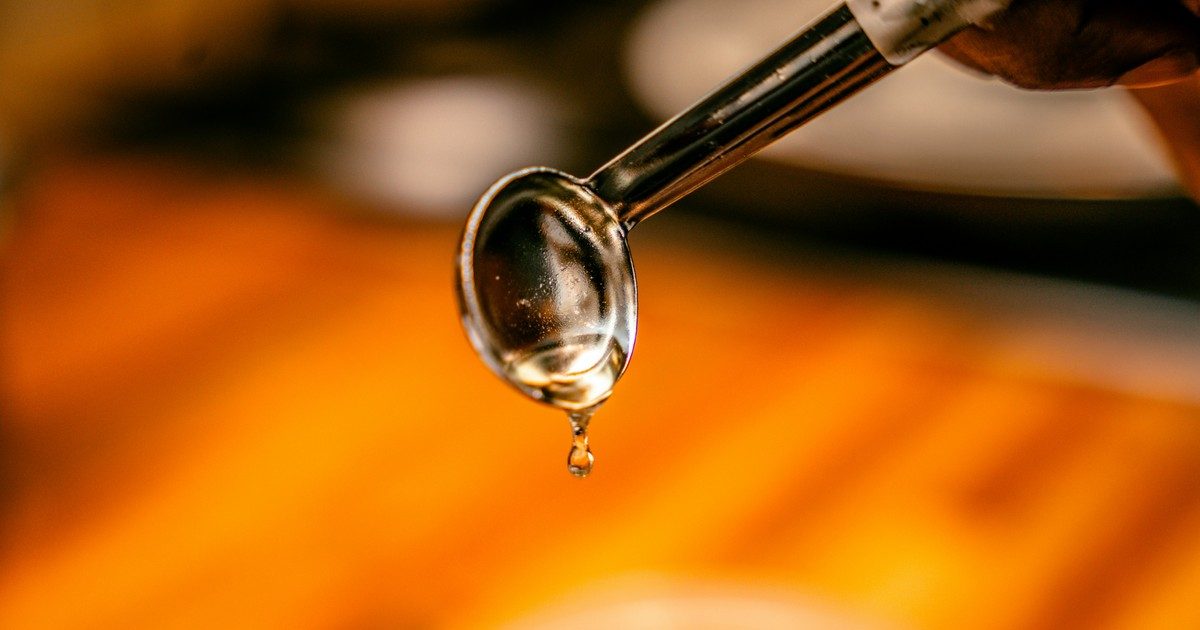
Glycerin is in your face cream, your cough syrup, your sliced bread, your clear soap and the paint on your walls. It is one of the most versatile ingredients in industry, and one of the safest. Here we explain what it is, where it comes from, what it is used for and why the grade you buy matters more than it seems.
What is glycerin?
Glycerin, also called glycerol or 1,2,3-propanetriol (C₃H₈O₃, CAS 56-81-5), is a clear, colorless, odorless, thick, sweet-tasting liquid. Its name comes from the Greek glykys, “sweet”.
Swedish chemist Carl Wilhelm Scheele, the same man who isolated citric acid, discovered it in 1779 by heating olive oil with lead oxide. The FDA recognizes it as GRAS (Generally Recognized as Safe) and in the European Union it is food additive E422.
Where does glycerin come from?
All fats and oils are made of glycerin bound to fatty acids. When they are split, the glycerin is released. That happens in three industrial processes:
- Biodiesel: the main source today. Every 10 kg of biodiesel yields roughly 1 kg of crude glycerin.
- Soap making: when fats are saponified with lye, glycerin is left as a by-product.
- Fat splitting: to produce fatty acids for the oleochemical industry.
Crude glycerin contains water, salts, methanol and soap residues, so it is distilled and refined up to the grade each industry needs.
The properties that make it so useful
- Hygroscopic: it attracts and holds moisture from the air. That is the basis of its role as a humectant.
- Viscous: about 1,400 mPa·s at 20 °C, far thicker than water. It gives body to syrups, gels and creams.
- Sweet: about 60% as sweet as sugar, and it does not cause cavities.
- A good solvent: it mixes with water and alcohol in any proportion and dissolves flavors, colors and active ingredients.
- Low flammability and low toxicity: a flash point of 177 °C and an oral LD50 in rats of 12,600 mg/kg.
What is glycerin used for?
Cosmetics and personal care. It is the world's most used humectant. It is in creams, lotions, shampoos, toothpastes and deodorants, where it helps keep skin moisturized and stops the product from drying out. On labels it appears under its INCI name: Glycerin.
Pharmaceuticals. It is a vehicle and sweetener in syrups, an excipient in soft capsules and the main ingredient of glycerin suppositories.
Food and beverages. As additive E422 it keeps bread, cakes, cookies and candy moist, serves as a solvent for flavors and colors, and sweetens sugar-free products.
Industry. It is a raw material for alkyd resins in paints, for polyols in polyurethane foams and for inks. It is also used as a plasticizer in paper and films, in low-impact antifreezes and in hydraulic fluids. And, though a minor use today, it is the basis of the nitroglycerin Alfred Nobel used to invent dynamite.
Animal nutrition. It adds energy to livestock diets and helps reduce dust in compound feed.
Glycerin for soap
Glycerin is what makes “glycerin” soaps clear and what makes a soap gentler on the skin. In cold-process handmade soap it forms naturally during saponification. Clear melt-and-pour bases add glycerin, sometimes with other polyols such as propylene glycol, to get a clear, moisturizing bar.
Glycerin grades: crude, technical, USP and vegetable
| Grade | Typical purity | Use it for |
|---|---|---|
| Crude | About 80% | Biogas, fuel, animal feed (after treatment), feedstock for refining |
| Technical | 95% – 99% | Resins, inks, antifreeze, industrial uses with no human contact |
| USP (pharmaceutical) | 99.5% or higher | Cosmetics, pharmaceuticals, food and anything eaten or applied to skin |
What about vegetable glycerin? “Vegetable” describes the source, not the purity. Vegetable glycerin comes from oils such as palm, soy or coconut; animal glycerin comes from tallow. Chemically they are the same molecule. The difference matters for certifications (Kosher, Halal) and for your customers' preferences, so if your product needs it, ask for the source and the lot's certificates.
Why USP grade matters
USP glycerin is not just purer: it is also tested to rule out two dangerous contaminants, diethylene glycol and ethylene glycol. They are similar, cheaper and toxic liquids. Several mass poisonings from contaminated syrups in different countries happened because one of them was used instead of glycerin, or because glycerin was never tested. That is why the United States Pharmacopeia (USP) requires a specific test and sets a maximum of 0.10% for each.
If your product is eaten, taken as medicine or applied to skin, use USP glycerin with a certificate of analysis for every lot.
Glycerin vs. propylene glycol
| Feature | Glycerin | Propylene glycol |
|---|---|---|
| Formula | C₃H₈O₃ (three –OH groups) | C₃H₈O₂ (two –OH groups) |
| Viscosity | Very high (~1,400 mPa·s) | Low (~50 mPa·s) |
| Taste | Sweet | Slightly sweet and bitter |
| Strength as a humectant | Higher | Lower |
| Strength as a solvent | Good | Higher, especially for essential oils and flavors |
| Food additive | E422 | E1520 |
Many formulas use both: glycerin to moisturize and add body, propylene glycol to dissolve and lighten. If you are interested in the glycol family, read propylene glycol vs. PEG: what's the difference?
Glycerin for skin
Glycerin draws water into the outer layers of the skin and forms a film that does not clog pores. That is why it is in almost every moisturizer, usually at 2 to 10%. Neat, it feels sticky, so in cosmetics it is nearly always used diluted within a formula.
Handling and storage
- Pumping: in cold weather it gets very thick. Warming it to 40–50 °C makes transfer easier.
- Moisture: because it absorbs water from the air, keep containers tightly closed.
- Materials: stainless steel, high-density polyethylene and glass are suitable.
- Safety: its only hazard classification is eye irritation. Wear safety glasses and check the safety data sheet.
Frequently asked questions
Are glycerin and glycerol the same? Yes. Glycerol is the chemical name; glycerin is the trade name, mostly for the purified product.
What is glycerin used for? Mainly as a humectant in cosmetics, a vehicle and sweetener in medicines, a humectant in food and a raw material for resins, inks and antifreezes.
Is glycerin toxic? No. It is one of the safest substances used in food and medicine. What matters is buying the right grade: USP glycerin is tested to rule out contaminants such as diethylene glycol.
Is vegetable glycerin better? Chemically it is identical to animal-derived glycerin. Choose vegetable if your product needs Kosher or Halal certification, or if your customers ask for it.
Can I replace propylene glycol with glycerin? In some formulas, yes, as a humectant. But glycerin is much more viscous and a weaker solvent for oils, so validate the change with a lab test.
Where can I buy USP glycerin in Mexico? At Quimiconsult, from Monterrey, with shipping across Mexico and a certificate of analysis for every lot.
How Quimiconsult helps
At Quimiconsult we distribute glycerin and other humectants from Monterrey, Nuevo León, with shipping across Mexico:
- Glycerin USP pharmaceutical grade: minimum 99.7% purity, in 20 and 25 L jerrycans, 200 L drums, 1000 L totes and bulk.
- Propylene glycol USP grade: glycerin's partner as a solvent and light humectant.
- PEG 400: humectant and solvent for cosmetics and industry.
- Documentation and support: certificate of analysis per lot, technical data sheet, safety data sheet and formulation advice.
Browse all our humectants for personal care.
Want to know which grade you need? Talk to a technical advisor.
Related articles
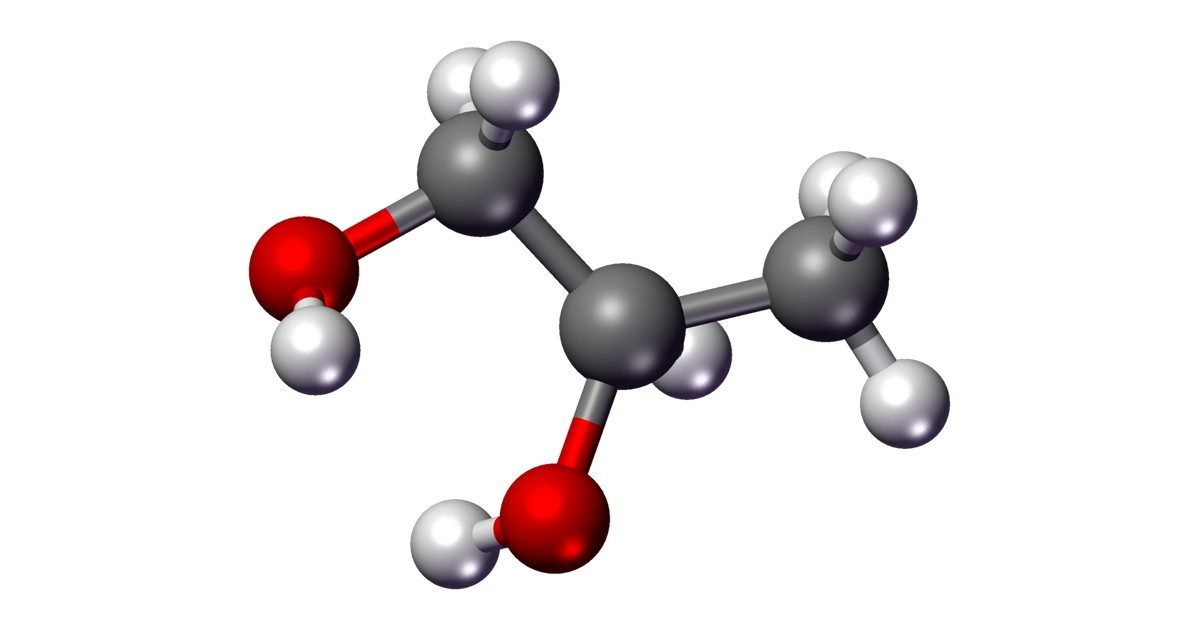
Propylene glycol vs. PEG: what's the difference?
Are propylene glycol and polyethylene glycol the same? Learn the differences, their uses in food, cosmetics and industry, and how to pick the right one.

Chlorhexidine: what it is, what it's for and which concentration to use
What chlorhexidine is, how it's used in mouthwash, antiseptics and teat dips, how to dilute the 20% concentrate and how it compares with povidone-iodine.
Citric acid: much more than lemons
From soft drinks to descalers and fizzy tablets: discover what citric acid does in industry and how to choose the right grade.
