Spanish
 English


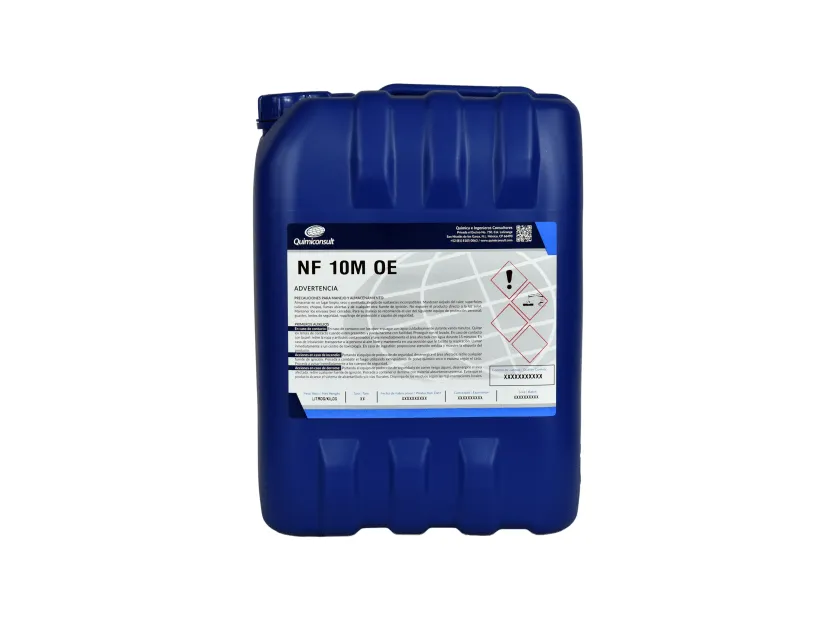
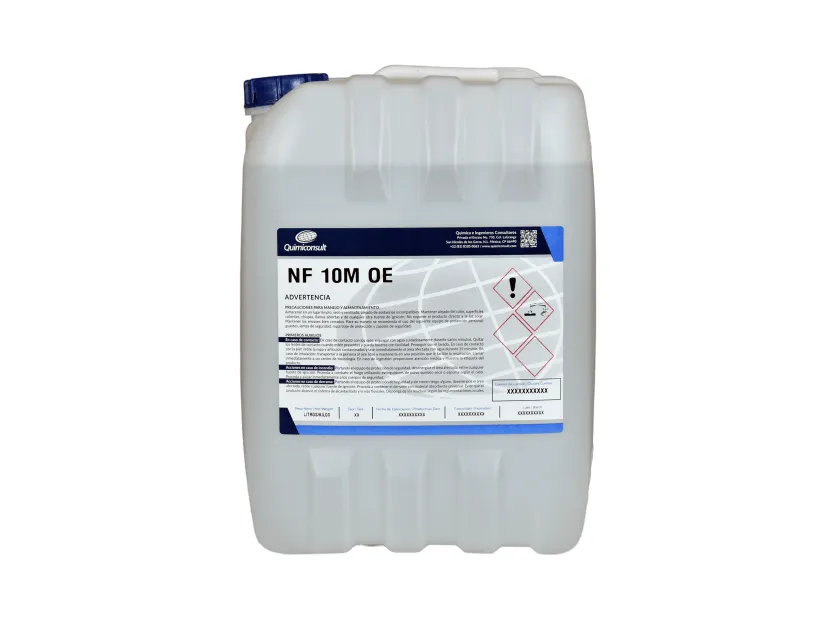
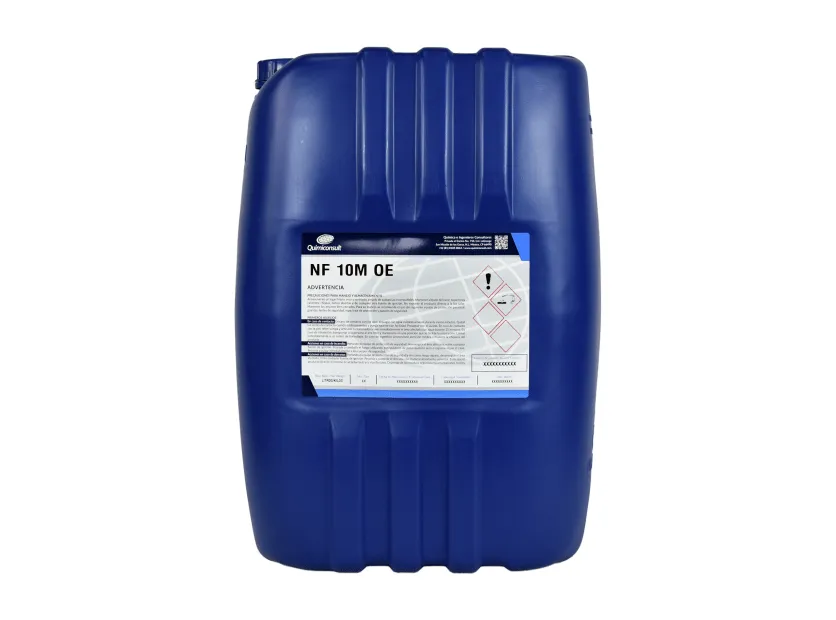
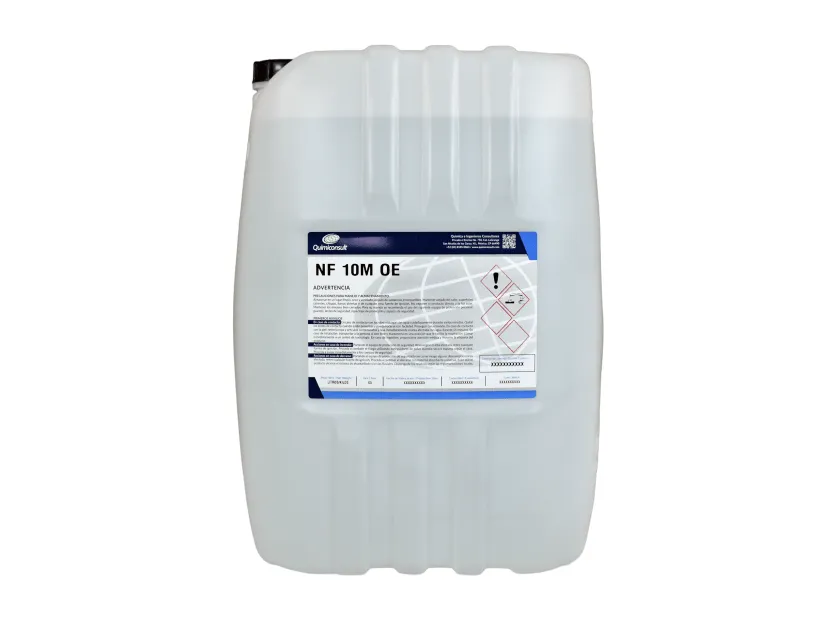
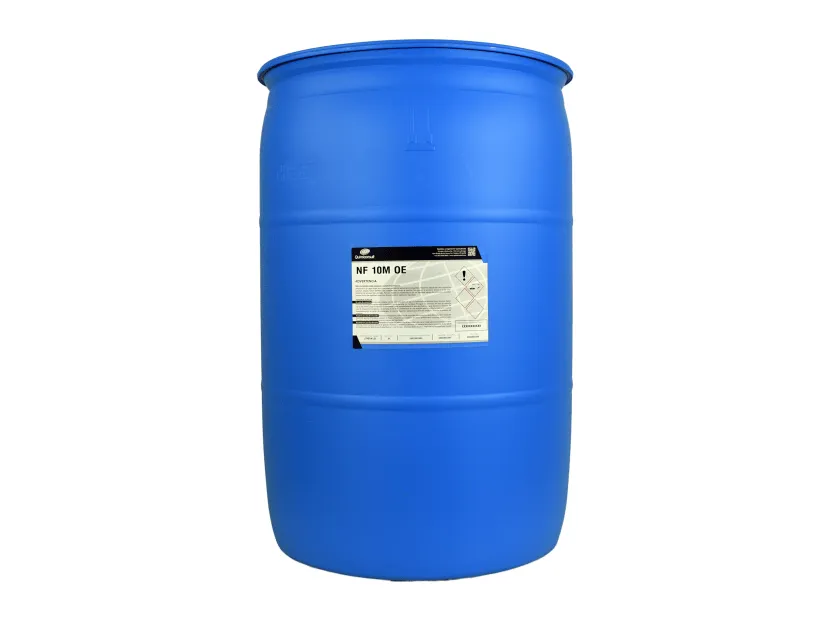
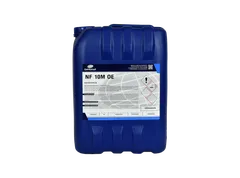
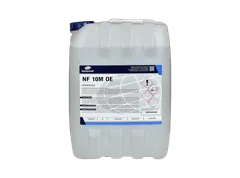
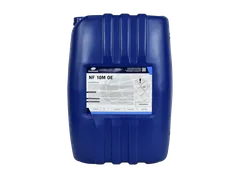
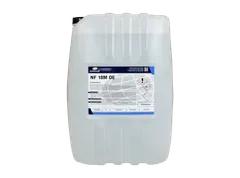
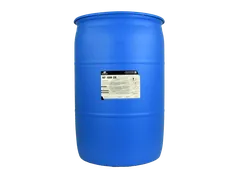
NONYLPHENOL 10 MOLES NON-IONIC SURFACTANT INDUSTRIAL GRADE
View All Prices
| Quantity | Unit Price |
|---|---|
| kg | |
| 1 - 99 | USD 2.42 |
| 100 - 199 | USD 2.38 |
| 200 - 499 | USD 2.35 |
| 500 - 999 | USD 2.32 |
| 1000 - 4999 | USD 2.29 |
| 5000 - 9999 | USD 2.26 |
| 10000 - 17999 | USD 2.23 |
| 18000+ | USD 2.21 |
Description of NF 10 M — Nonylphenol Ethoxylate with 10 Moles of Ethylene Oxide
At Quimiconsult we offer NF 10 M, also known as 10-mole nonylphenol ethoxylate, nonylphenol with 10 ethylene oxide units, NPE 10, NPEO 10, nonoxynol-10 or nonyl phenol 10 EO, a nonionic surfactant widely used in the agrochemical, textile, paints and coatings, industrial chemicals, institutional cleaning and manufacturing process industries. It acts simultaneously as a dispersant, degreaser, detergent, emulsifier, solubilizer and wetting agent, making it one of the most versatile and highest-volume nonionic surfactants in industry worldwide.
It is a clear liquid, practically colorless to slightly yellowish, with a 1% aqueous solution pH in the range of 5.0 to 8.0, maximum moisture of 0.3% by weight, color of maximum 50 units on the Pt-Co scale, cloud point of 60 to 67 °C at 1% aqueous, nominal HLB of 12.0 to 13.0 and density of 1.00 to 1.07 g/mL at 25 °C. Its structure consists of a nonylphenol molecule with 10 ethylene oxide (EO) units attached by ethoxylation, which gives it an intermediate-high HLB ideal for O/W (oil-in-water) emulsification and detergent action, together with high water solubility at room temperature and excellent compatibility with most anionic, cationic, amphoteric and other nonionic surfactants.
Within the nonylphenol ethoxylate (NF) family, the 10-mole grade is the most widely used in industry thanks to its balance between enough hydrophilicity for water solubility and enough lipophilicity to interact with greases, oils and hydrophobic substrates. This versatility makes it the product of choice for agrochemicals (emulsifiable concentrates, suspensions, wettable powders), textile processing (wetting, dyeing, scouring), water-based paint and ink formulation (pigment dispersion), industrial and institutional cleaning products (degreasing, detergency) and many specialized chemical processes.
At Quimiconsult, located in San Nicolás de los Garza, Nuevo León, we distribute NF 10 M with nationwide coverage, formulation technical support, certificates of analysis for every batch, and up-to-date technical data sheets (TDS) and safety data sheets (SDS), serving agrochemical formulators, textile plants, paint and coatings manufacturers, industrial cleaner producers, chemical process plants, metalworking auxiliary manufacturers and product developers throughout Mexico.
NF 10 M Technical Specifications
NF 10 M meets a consistent batch-to-batch quality profile, verifiable through a Certificate of Analysis (CoA):
- Physical appearance: clear, transparent liquid.
- pH (1% solution): 5.0 to 8.0.
- Moisture (wt%): maximum 0.3%.
- Color (Pt-Co scale): maximum 50 units.
- Cloud point at 1% aqueous: 60 to 67 °C.
- Nominal HLB: 12.0 to 13.0.
- Density at 25 °C: 1.00 to 1.07 g/mL.
These parameters, together with its liquid state at room temperature, complete miscibility in water, stability over a wide pH range (3-12), resistance to hard water, low foaming compared with anionic surfactants and compatibility with multiple surfactants, define the functional performance of NF 10 M in industrial formulation.
Synonyms and Search Terms Related to NF 10 M
In the industrial market, NF 10 M is known by many names: NF 10 M, NF 10M, NF-10, nonylphenol ethoxylate 10 moles (nonilfenol etoxilado 10 moles), nonyl phenol 10 moles, nonylphenol 10 EO, NPE 10, NPEO 10, nonylphenol ethoxylate 10 moles, nonoxynol-10 (INCI nomenclature), polyethylene glycol nonylphenyl ether, POE (10) nonylphenol or 10-mole alkylphenol ethoxylate.
Frequent searches include NF 10 M price, 10-mole nonylphenol Mexico, NPE 10 supplier, industrial nonionic surfactant, agrochemical emulsifier, pesticide emulsifier, paint dispersant, textile wetting agent, industrial degreaser, industrial nonionic detergent, HLB 12 surfactant, cloud point 60 surfactant, NPE supplier Monterrey, NF 10 M technical data sheet and bulk nonylphenol ethoxylate, terms relevant to agrochemical formulators, textile technologists, paint and ink formulators, process engineers and industrial buyers.
The NF Family at Quimiconsult
Quimiconsult distributes a family of nonylphenol ethoxylates covering the most widely used industrial grades. Each grade differs in the number of moles of ethylene oxide, a parameter that defines its HLB, solubility and application: NF 4 moles (low HLB, predominantly lipophilic, W/O emulsifier, for oily systems), NF 10 M (intermediate-high HLB, the most versatile — this page), NF 30 moles (high HLB, waxy solid, maximum-efficiency solubilizer in water) and NF 70 moles (very high HLB, waxy solid, extreme hydrophilicity for specialized applications). It is common practice to combine two grades (typically NF 4 + NF 10 M) to match the formulation's HLB to the specific active ingredient, especially in EC agrochemicals.
How Does NF 10 M Work?
The NF 10 M molecule has an amphiphilic structure with a hydrophobic tail (nonylphenol core) and a hydrophilic chain (10 ethylene oxide units), which allows it to orient itself at interfaces between immiscible phases (water-oil, water-hydrophobic solid, water-air), reducing surface and interfacial tension and enabling multiple functions:
As an O/W emulsifier, it forms an interfacial film that stabilizes fine oil droplets in a continuous aqueous phase. As a detergent and degreaser, it separates grease from the substrate and suspends it as micelles in the aqueous phase. As a dispersant, it adsorbs onto solid particles, creating steric hindrance that prevents agglomeration and settling. As a solubilizer, it forms micelles that hold hydrophobic substances inside, allowing their apparent dissolution in water. As a wetting agent, it reduces the surface tension of water, allowing it to wet hydrophobic surfaces such as synthetic fibers and the waxy leaves of crops.
Its cloud point behavior (reversible phase separation when heated above 60-67 °C at 1%) can be exploited in extraction, phase separation and heat-activated cleaning processes.
Industrial Applications of NF 10 M
Agrochemical Industry
This is one of the main and highest-volume applications of NF 10 M. It is used as an emulsifier in emulsifiable concentrates (EC) —often combined with NF 4 moles to match the HLB to the formulated active—, a dispersant in suspension concentrates (SC), a wetting and dispersing agent in wettable powders (WP) and water-dispersible granules (WG), a solubilizer in soluble concentrates (SL), a spray tank adjuvant that improves wetting and penetration of the product on leaves and waxy surfaces, and an auxiliary in foliar fertilizers and seed treatments.
Textile Industry
NF 10 M is a textile processing auxiliary at multiple stages: a wetting agent for hydrophobic synthetic fibers (polyester, nylon, acrylics), a dyeing auxiliary as a dye dispersant and leveling agent, a detergent in preparatory washing (scouring) to remove waxes, spinning lubricants and soil from raw fibers, an auxiliary in bleaching and mercerizing processes (it remains active at alkaline pH), and a component of textile finishing formulations (sizes, softeners).
Paints, Coatings and Inks Industry
In water-based formulations, NF 10 M works as a pigment dispersant (titanium dioxide, iron oxides, organic pigments), keeping dispersions stable without agglomeration or settling, a pigment wetting agent in the premix stage, a stabilizer for polymer emulsions (latex) used as binders, a grinding aid in pigment dispersion, and a component of water-based industrial printing inks and protective and decorative coatings.
Industrial and Institutional Cleaning Products
Thanks to its versatility as a degreaser and detergent, NF 10 M is a key ingredient in industrial degreasers for equipment, floors, engines and metal surfaces with process grease and oil residues; alkaline cleaners for heavy industry; acid cleaners for removing mineral scale; industrial CIP formulations (non-food); automotive cleaners for washing bodies, engines and mechanical parts; and maintenance cleaners for industrial buildings and manufacturing plants.
Metalworking and Chemical Process Industry
NF 10 M is used in water-soluble cutting and machining fluids as an emulsifier for cutting oils, degreasers for metal surface preparation before painting, galvanizing or anodizing, cold-forming fluids (stamping, deep drawing, wire drawing), liquid-liquid extraction processes that take advantage of the cloud point, emulsion polymerization and processing aids for specialty chemicals.
Additional applications include the leather industry (soaking, fleshing, fatliquoring and finishing processes), the pulp and paper industry (auxiliaries in pulping, bleaching and deinking), the mining industry (mineral flotation and separation) and water-based adhesives.
Competitive Advantages of NF 10 M
- Multifunctional versatility: dispersant, degreaser, detergent, emulsifier, solubilizer and wetting agent in a single molecule.
- Intermediate-high HLB (12-13): the optimal range for O/W emulsification and detergency.
- Liquid at room temperature: makes dosing, pumping and mixing easy without heating.
- High water solubility and broad compatibility with anionic, cationic, amphoteric and nonionic surfactants.
- Stability over a pH range of 3-12 and resistance to hard water.
- Low foaming compared with anionic surfactants.
- High cost-effectiveness and well-established global availability.
- Long track record of industrial use with known, predictable performance.
Use, Dosage and Incorporation Recommendations
NF 10 M is added directly to the aqueous phase by pumping or volumetric dosing, with standard moderate agitation. No preheating is required. In formulations with pigments or solids to be dispersed, it is added during the wet premix stage. In emulsification systems, it can be added to the aqueous or oil phase depending on the process design.
Typical concentrations by application
- Agrochemical emulsifiable concentrates (EC): 5 to 15% of the formulation.
- Suspension concentrates (SC), wettable powders (WP), water-dispersible granules (WG): 1 to 5%.
- Spray tank adjuvants: 0.1 to 0.5%.
- Textile auxiliaries (wetting, dyeing): 0.5 to 3% on bath.
- Textile scouring: 1 to 5% on bath.
- Water-based paints (pigment dispersant): 0.3 to 2%.
- Industrial inks: 1 to 5%.
- Industrial degreasers: 3 to 15% in concentrate (used diluted at 1-5% in application).
- General industrial cleaners: 2 to 10%.
- Water-soluble cutting fluids: 3 to 10% of concentrate.
NF 10 M Compatibilities
NF 10 M is compatible with water and aqueous solutions in any proportion, alcohols, glycols, other nonionic surfactants, anionic surfactants (sulfates, sulfonates, soaps, phosphates), amphoteric surfactants (betaines), cationic surfactants at moderate concentrations, acids and bases at pH 3-12, organic and inorganic salts, mineral and organic pigments, agrochemical actives, water-soluble polymers and oils in emulsified systems.
It requires special precautions with cationic surfactants at high concentration (check the specific case), strong oxidizers at high concentration (they can degrade the polyethoxylated chain), temperatures above the cloud point (the solution turns reversibly cloudy) and extremely hard water (>1000 ppm CaCO₃), where adding sequestrants may be useful.
Storage, Packaging and Shelf Life
NF 10 M is offered in drums, IBC totes and bulk deliveries depending on volume. Specific package sizes are available on request.
Store in a cool, dry, well-ventilated area, away from incompatible substances, direct sunlight and high temperatures. Keep containers tightly closed with tamper-evident seals and protect them from physical damage. Recommended temperature: 15-30 °C.
Typical shelf life is 24 months from the date of manufacture under proper conditions. The official expiration date is shown on the original container and on the batch Certificate of Analysis.
Safety and Regulatory Considerations
NF 10 M has a well-characterized industrial handling profile. GHS classifications indicate moderate eye and skin irritation on direct contact, potential mucous membrane irritation from inhaling mists, and aquatic toxicity that requires careful spill management.
Recommended PPE: chemical safety goggles, chemical-resistant gloves (nitrile, neoprene), appropriate work clothing, a respirator when mists or aerosols are generated, and adequate ventilation.
Spill handling: spills are slippery. Collect with inert absorbents (vermiculite, sand, diatomaceous earth), prevent them from entering bodies of water or storm drains, and dispose of them according to current waste legislation.
Nonylphenol ethoxylates (NPE) are regulated differently depending on the market: some international markets (European Union, United States) have introduced progressive restrictions in specific use categories, while in Mexico and many international markets NF 10 M remains a standard industrial raw material authorized for the uses described. For applications intended for markets with restrictive regulations, check current regulations and ask our technical team about APE-free alternatives such as fatty alcohol ethoxylates (AE) where appropriate.
Every batch of NF 10 M comes with a Certificate of Analysis (CoA), technical data sheet (TDS) and safety data sheet (SDS) available for inclusion in operating records.
Frequently Asked Questions about NF 10 M
What is NF 10 M and what is it used for?
NF 10 M is a nonionic surfactant consisting of a nonylphenol molecule with 10 ethylene oxide (EO) units. It is used as a dispersant, degreaser, detergent, emulsifier, solubilizer and wetting agent in the agrochemical industry (emulsifier in emulsifiable concentrates, dispersant, wetting agent), textiles (fiber wetting, dyeing, scouring), paints and coatings (pigment dispersant, latex stabilizer), industrial cleaning products (degreasing, detergency), metalworking (cutting fluids, surface degreasing), specialized chemical processes, leather, paper and mining.
What does "10 moles" or "10 EO" mean?
It means that each molecule contains on average 10 ethylene oxide units attached to the nonylphenol core by ethoxylation. This number directly defines the surfactant's HLB, water solubility, physical state and functional behavior. The higher the number of moles, the greater the hydrophilicity and HLB.
What is the HLB 12-13 of NF 10 M and why does it matter?
HLB (Hydrophilic-Lipophilic Balance) is a scale that quantifies the balance between the hydrophilic and hydrophobic parts of a surfactant. The HLB 12-13 of NF 10 M is the optimal range for O/W (oil-in-water) emulsification and detergency, the functions in highest industrial demand. This explains its versatility and broad volume use.
What is the cloud point and why does it matter?
It is the temperature at which the surfactant's aqueous solution turns from clear to cloudy when heated, due to reversible phase separation. For NF 10 M it is 60-67 °C at 1%. Below it, the solution is clear; above it, it turns cloudy (reversible on cooling). This determines the useful range for clear processes and makes it possible to design cloud point processes for extraction and heat-activated cleaning.
Is NF 10 M soluble in water?
Yes, it is completely miscible in water at room temperature. Above the cloud point (60-67 °C at 1%), it may partially separate, forming a reversible second phase. It is also soluble in alcohols, glycols and polar organic solvents.
Is NF 10 M compatible with other surfactants?
Yes, it is compatible with nonionic surfactants (other nonylphenol ethoxylates, fatty alcohol ethoxylates, polysorbates), anionics (sulfates, sulfonates, soaps), amphoterics (betaines) and, at moderate concentrations, cationics. This broad compatibility allows multi-surfactant formulations.
What is the difference between NF 4, NF 10 M, NF 30 and NF 70?
NF 4 moles has a low HLB (~8-9), is predominantly lipophilic and is used as a W/O emulsifier. NF 10 M has an HLB of 12-13, is liquid, completely water-soluble and is the most versatile (O/W emulsifier, detergent, dispersant). NF 30 moles has a high HLB (~17-18), is a waxy solid and is used as a solubilizer. NF 70 moles has a very high HLB (~18-19), is a waxy solid and is used in applications requiring extreme hydrophilicity.
Are there alternatives to NF 10 M?
Yes. The most common alternatives are fatty alcohol ethoxylates (AE) with a similar HLB (~12-13), which are APE-free nonionic surfactants with a comparable technical profile for many applications. Polysorbates, ethoxylated esters and other nonionic surfactants may also be used depending on the specific application. For advice on alternatives, contact our team.
Where can I buy NF 10 M in Mexico and at what price?
At Quimiconsult we distribute NF 10 M with availability from our warehouse in San Nicolás de los Garza, Nuevo León, with nationwide coverage. We offer drums, IBCs and bulk deliveries, with complete technical documentation (TDS, SDS, CoA per batch) and formulation technical support. We also distribute NF 4 moles, NF 30 moles and NF 70 moles from the same family. The price depends on volume, packaging and purchase frequency. Request a personalized quote at +52 (81) 8105 0063.
Request Your NF 10 M Quote
Does your agrochemical formulation, textile plant, paints and coatings factory, industrial cleaning products plant, metalworking plant or any industry that requires a multifunctional nonionic surfactant need to incorporate NF 10 M into its formulations? We also offer NF 4 moles, NF 30 moles and NF 70 moles from the complete family. Contact us and we will review your specific application and recommend the optimal grade, the right dosage and the most efficient combination for your formulation, with complete technical documentation, incorporation guidance and timely delivery anywhere in Mexico.
Related Products
- NF 4 moles — low-ethoxylation nonylphenol ethoxylate, low HLB, W/O emulsifier
- Polysorbates — nonionic emulsifiers for specific applications
Related categories:
- Category: Nonionic Surfactants
- Category: Nonylphenol Ethoxylate Family (NF)
- Category: Emulsifiers and Industrial Dispersants
- Category: Agrochemical Formulation Auxiliaries
- Category: Textile Processing Auxiliaries
- Category: Dispersants for Paints and Inks