Spanish
 English


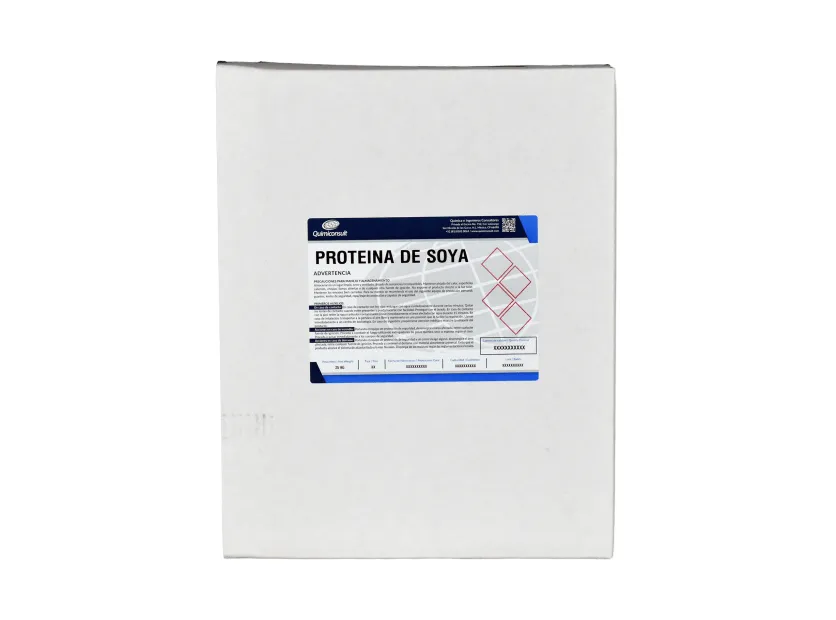
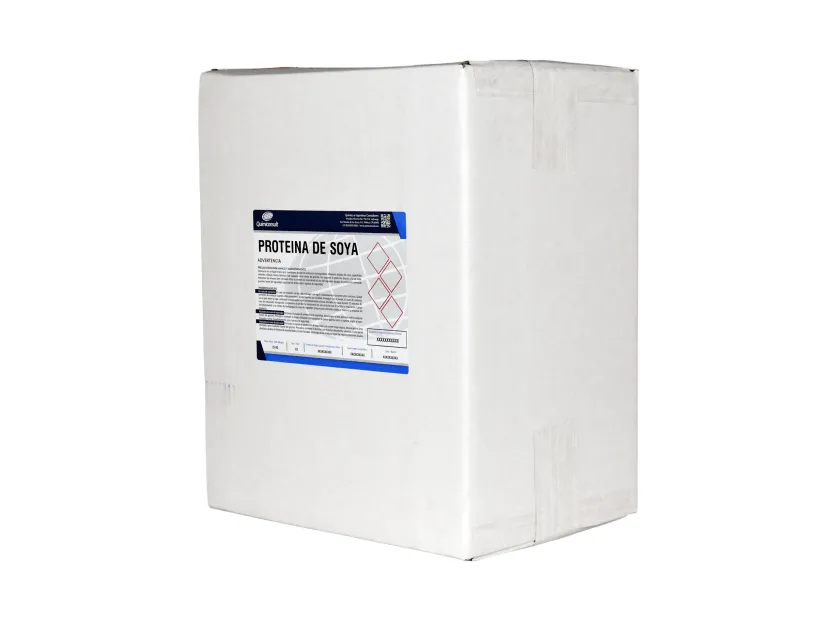
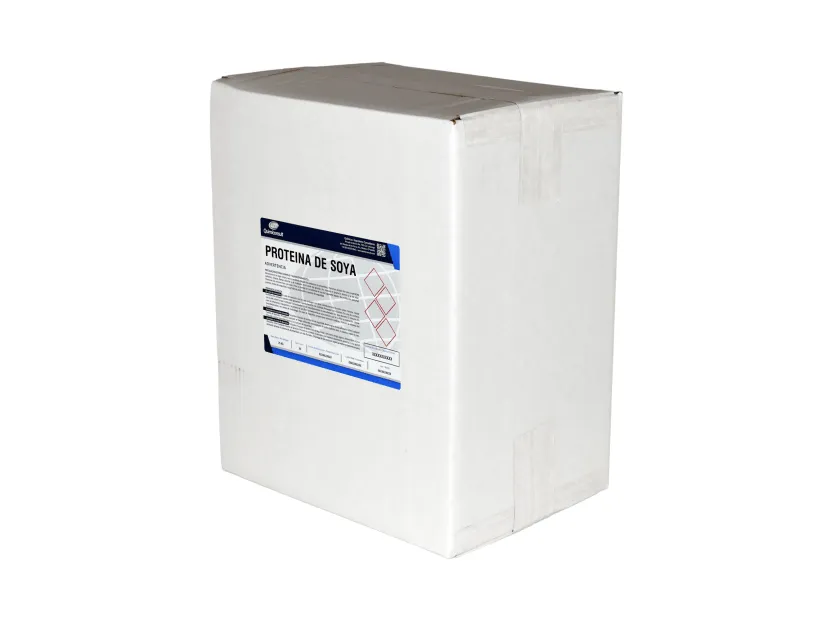
SOY PROTEIN ISOLATE 90% FOOD GRADE
View All Prices
| Quantity | Unit Price |
|---|---|
| kg | |
| 1 - 99 | USD 10.70 |
| 100 - 199 | USD 10.61 |
| 200 - 499 | USD 10.45 |
| 500 - 999 | USD 10.30 |
| 1000 - 4999 | USD 10.15 |
| 5000 - 9999 | USD 10.01 |
| 10000 - 17999 | USD 9.87 |
| 18000+ | USD 9.74 |
Isolated Soy Protein Description — Soybean Protein Isolate with a Minimum of 90% Protein
At Quimiconsult we offer Isolated Soy Protein, also known as soy protein isolate, soy isolate, SPI (Soy Protein Isolate) or simply isolated soy protein, a high-value functional ingredient obtained from the protein fraction of the soybean (Glycine max), from which virtually all non-protein components (soluble carbohydrates, fiber, oligosaccharides, residual lipids and minerals) have been removed to achieve a product with a minimum crude protein content of 90% on a dry basis. It is a fine, light yellow powder, practically neutral in odor and taste, with a pH in the range of 6.0 to 8.0 and controlled moisture of 7.0% maximum, parameters that ensure its technological functionality as an emulsifier, binder, water-retention agent and protein source in food formulations, supplements, functional beverages, infant formulas, processed meats, plant-based products and specialized nutrition.
Soy protein isolate belongs to the category of high-concentration plant protein ingredients, sitting at the most concentrated level of the three commercial protein fractions obtained from soy: defatted soy flour (approximately 50% protein), soy protein concentrate (around 70% protein) and soy protein isolate (minimum 90% protein). This higher concentration is achieved through an industrial process that starts with defatted white soy flour (obtained by extracting the oil with hexane and then desolventizing at low temperature to preserve protein functionality), followed by alkaline aqueous extraction (pH 8-9) in which the protein is solubilized, separation of the insoluble residues (mainly fiber) by centrifugation, isoelectric precipitation by adjusting the pH to the isoelectric point of soy globulins (pH ≈ 4.5), where the protein precipitates as a protein curd, washing, neutralization with an alkaline solution (which produces the so-called "proteinates") and spray drying, which gives the final powder its hydration, dispersion and technological functionality properties.
Unlike soy flour and soy concentrate, soy protein isolate contains virtually no dietary fiber, flatulence-causing oligosaccharides (raffinose, stachyose) or soluble sugars, which translates into a more favorable digestive tolerance profile, a more neutral taste, better solubility and suitability for formulations where non-protein components may be undesirable (infant formulas, clear beverages, sports supplements, hypoallergenic products). In addition, its essential amino acid profile is complete and of high biological value, with a PDCAAS (Protein Digestibility Corrected Amino Acid Score) close to 1.0, equivalent to that of reference animal proteins such as casein or egg white, making it one of the few plant proteins considered a complete protein from a nutritional standpoint, especially valuable in vegan, vegetarian, sports and clinical nutrition formulations.
At Quimiconsult, headquartered in San Nicolás de los Garza, Nuevo León, we distribute Isolated Soy Protein with nationwide coverage, an up-to-date technical data sheet (TDS) and safety data sheet (SDS), technical formulation support, and specialized service for the meat and sausage industry, dairy plants, beverage and infant formula formulators, supplement and dietary supplement manufacturers, plant-based product and meat analog developers, industrial bakeries, nutrition bar manufacturers, clinical nutrition laboratories and product developers throughout Mexico.
Technical Specifications and Physicochemical Properties of Isolated Soy Protein
The Isolated Soy Protein we sell meets a consistent batch-to-batch quality profile, verifiable through a Certificate of Analysis (CoA), that guarantees predictable technological performance in formulation. The certified technical specifications are as follows:
- Appearance: fine, light yellow powder.
- Odor: neutral, with no off-notes.
- Taste: characteristic of soy, mild and neutral.
- pH (1% solution): 6.0 to 8.0.
- Moisture: 7.0% maximum.
- Crude protein (N × 6.25, dry basis): minimum 90%.
Beyond these basic parameters, soy protein isolate has a set of functional and technological properties that are what truly determine its value in industrial formulation. These properties depend on the specific production process, the drying temperature, the degree of protein denaturation and the profile of globulins (predominantly 7S β-conglycinin and 11S glycinin) present in the final product:
- Emulsifying capacity (EAI): high, thanks to the simultaneous presence of hydrophilic and hydrophobic amino acids in its globulins, which allow it to orient itself at the water-oil interface and stabilize the O/W emulsions typical of emulsified sausages, plant-based beverages, infant formulas and dressings.
- Water-holding capacity (WHC): high, typically between 4 and 7 grams of water per gram of protein depending on conditions, which makes it essential as a moisture-retention agent in meat injection brines and restructured products.
- Fat-holding capacity (FHC): moderate to high, useful for reducing fat absorption during frying and for stabilizing fat phases in emulsified products.
- Gelling capacity: forms firm, cohesive heat-induced gels when an aqueous dispersion at concentrations above 7-8% is heated to temperatures above 70 °C, a key property in cooked sausages, plant-based surimi and meat analogs.
- pH-dependent solubility: minimal near the isoelectric point (pH 4.5), high at alkaline pH (>7) and acceptable at strongly acidic pH (<3.5), typical behavior of soy globulins that must be considered when formulating acidic beverages, fermented dairy products or neutral-pH products.
- Foaming capacity: moderate, used in baking, pastry and some whipped products.
- Adhesion and cohesion capacity: high, essential as a binder in ground and restructured meat products, plant-based burgers and analogs.
- Thermal stability: withstands typical food processing heat treatments (pasteurization, sterilization, cooking, baking) without significant loss of functionality, although prolonged heating at very high temperatures can affect solubility.
- Compatibility: broad compatibility with most food ingredients (hydrocolloids, starches, salts, sugars, other protein ingredients, fats and oils).
- Nutritional profile: a complete protein with all the essential amino acids, high in glutamine, arginine and lysine (unlike other plant sources) and with a reduced methionine profile (typically complemented in formulations with cereal proteins).
Synonyms, Trade Names and Search Terms Related to Isolated Soy Protein
In the industrial food, nutrition, supplement and plant-based markets, Isolated Soy Protein is known by multiple technical, commercial and regulatory names depending on the region and application. The most widely used terms include: soy protein isolate (aislado de proteína de soya), soy protein isolate (aislado proteico de soya), isolated soy protein (proteína de soya aislada), isolated plant soy protein, SPI (Soy Protein Isolate, dominant in international technical literature), isolated soy protein, soy protein isolate, soybean protein isolate, soy proteinate (proteinato de soya) (when neutralized with NaOH or KOH), soy proteinate, soy protein 90, 90% protein soy, isolated plant protein, high biological value plant protein, and in INCI nomenclature (when used in cosmetics and personal care) as Glycine Soja (Soybean) Protein or Hydrolyzed Soy Protein depending on the degree of hydrolysis. On food labels it appears simply as "isolated soy protein" or "soy protein isolate" depending on the country.
Likewise, in purchasing, sourcing, formulation and product development it is common to find searches such as isolated soy protein price, buy isolated soy protein, soy isolate Mexico, soy protein for meat products, soy protein for sausages, plant protein for burgers, protein for plant-based products, protein for plant-based beverages, protein for infant formula, protein for sports supplements, bulk vegan protein powder, natural emulsifying protein, plant-based meat extender, natural binder for meat products, soy isolate Monterrey, soy protein supplier Mexico, soy protein per kilo, SPI Mexico, bulk soy isolate, soy protein for baking, soy protein for nutrition bars, complete plant protein, non-GMO soy protein or organic soy protein. These variations are especially relevant for food technologists, meat product formulators, functional beverage developers, R&D managers in dairy plants, supplement manufacturers, pharmaceutical chemists in clinical nutrition, industrial bakers and purchasing departments in the food industry.
How Does Isolated Soy Protein Work in Formulation? — Functional Mechanisms
Unlike protein ingredients that act solely as a nutritional source, soy protein isolate delivers its value in formulation through several simultaneous functional mechanisms that make it one of the most versatile plant ingredients in the modern food industry:
Emulsification of aqueous and oil phases: soy globulins (7S and 11S) contain sequences of polar and hydrophobic amino acids that spontaneously orient themselves at the interface between the aqueous phase and the oil phase of an emulsion, forming a stabilizing interfacial film. This mechanism makes it possible to emulsify fats and oils in emulsified meat products (frankfurters, mortadella), plant-based beverages, infant formulas, dressings, non-dairy creamers and dairy analogs, preventing phase separation during shelf life.
Water retention through hydration and physical entrapment: the hydrated protein chains form a three-dimensional network capable of retaining water both through hydrogen bonds with polar groups and through physical entrapment within the protein matrix. In injected meats, this capacity increases the yield of the cooked product by preventing purge losses during cooking and storage, while also contributing to a juicier texture and longer shelf life.
Heat-induced gelation: when an aqueous dispersion of soy protein isolate is heated above 70-80 °C, the globulins partially denature, exposing previously hidden sulfhydryl groups and hydrophobic regions, which reorganize into a cohesive three-dimensional network as they cool. This heat-stable gel provides texture, bite, cohesion and firmness to cooked sausages, meat analogs, plant-based surimi and restructured products.
Adhesion and cohesion in particulate systems: in ground meat products, burgers, nuggets and restructured products, soy isolate acts as a protein "glue" between particles, improving the structural integrity of the product, reducing crumbling during cooking and allowing pieces of defined shape to be formed.
Reduced fat absorption during frying: the protein film that forms around breaded or battered products during frying acts as a partial barrier against oil migrating into the product, reducing fat absorption, improving the final nutritional profile and lowering the process's frying oil cost.
High biological value protein contribution: with a PDCAAS close to 1.0 and a complete essential amino acid profile, adding it to a formulation increases the protein content that can be declared on the label, improves the nutritional profile of the final product and allows claims such as "source of protein", "high in protein" or "complete plant protein" depending on the applicable regulations and the amount added.
Stabilization of foams and whipped products: in baking, pastry and whipped product applications, soy proteins stabilize the air bubbles incorporated during mixing, improving the volume, crumb and structure of the baked product.
Industrial Applications of Isolated Soy Protein
Isolated Soy Protein is one of the most versatile plant protein ingredients in the food industry, with applications extending to multiple sectors that simultaneously require high-quality protein, technological functionality (emulsification, water retention, gelation, binding) and sensory compatibility. The main fields of application are detailed below.
Meat and Sausage Industry
This is one of the most long-standing and highest-volume applications of soy protein isolate. In processed meats, the isolate works as a protein extender, water-retention agent, fat-phase emulsifier and cohesive and binding agent in:
- Cooked and cured hams: added to the injection brine (typically at 1-3% in the brine), it increases the yield of the cooked product by retaining the added water, and improves sliceability, the internal cohesion of the restructured muscle and the juiciness of the final product.
- Frankfurters, mortadella and emulsified sausages: added in the bowl cutter or emulsifier (typically at 1.5-4% of the total formulation), it stabilizes the meat emulsion, preventing fat and water separation during cooking, and improves texture, cohesion and yield.
- Burgers, kibbeh, meatballs and ground products: at 1-3%, it acts as a protein binder, improving structural integrity, reducing crumbling during cooking and improving juiciness.
- Nuggets, chicken sticks and breaded products: in addition to its binding function, it reduces oil absorption during frying, improving the nutritional profile and reducing oil costs.
- Restructured meat and fish products: as a binding agent in restructured pieces formed from trimmings and ground meat.
- Pâtés, terrines and spreadable products: emulsion stabilization and a creamy texture.
- Marinades, brines and multiphase injection systems: as a protein carrier to increase yield and shelf life.
Dairy, Dairy Analogs and Plant-Based Beverages
In the dairy and plant-based dairy analog industry, soy protein isolate performs functions of emulsification, protein contribution, dispersion stabilization and, in some cases, contributes to the product's texture and body:
- Soy beverages and plant-based beverages (oat, almond, multigrain): as the main or complementary protein source, with the advantage of its complete essential amino acid profile.
- Plant-based dairy analogs: plant-based yogurts, plant-based "milks", non-dairy coffee creamers, flan-style plant-based desserts, plant-based ice creams.
- Infant formulas and specialized pediatric nutrition: as the main protein source in formulas for babies with cow's milk protein allergy, lactose intolerance or a vegan family approach, under each country's specific regulations and with soy isolate grades specifically designed for this application.
- Fortified dairy products: protein-enriched milks, protein yogurts, protein dairy shakes.
- Non-dairy creamers and coffee creamers: emulsion stabilization and body.
Supplements, Dietary Supplements and Sports Nutrition
In this sector, soy protein isolate is one of the most widely used plant protein ingredients worldwide:
- Plant protein powders: as the main ingredient or a component of multi-plant blends (soy + pea + rice + hemp).
- Vegan and vegetarian supplements: a complete plant-based protein with an amino acid profile comparable to that of animal protein.
- Meal replacements: replacement shakes for weight control, sports recovery and clinical nutrition.
- Protein bars and nutrition bars: as a protein source and cohesive agent in the bar matrix.
- Ready-to-drink (RTD) protein beverages: in protein-enriched ready-to-drink beverages.
- Formulas for enteral and oral clinical nutrition: for patients with high protein requirements, especially when dairy-free formulations are required.
- Supplements for athletes: pre-workout, post-workout, mass gainers.
Plant-Based Products and Meat Analogs
One of the fastest-growing categories worldwide, where soy isolate is a fundamental ingredient:
- Plant-based burgers and ground meats: as a structural protein component alongside textured soy concentrate, pea protein and other ingredients.
- Plant-based sausages and cold cuts: as an emulsifier, binder and gelling agent.
- Plant-based nuggets, cutlets and breaded products.
- Plant-based picadillo, ragouts and fillings for tacos, lasagna and empanadas.
- Plant-based tuna, plant-based "fish" and plant-based seafood.
- Vegan cheese and cheese analogs.
Baking, Pastry and Cereals
In baked goods, soy protein isolate provides multiple functional benefits:
- Protein-enriched bread and low-carb protein bread: increases the protein content that can be declared.
- Protein biscuits, cookies and crackers.
- Protein-enriched breakfast cereals.
- Protein-enriched pasta.
- Protein pancake, waffle and hotcake mixes.
- Partial egg replacement in industrial baking: taking advantage of its emulsifying and air-retention capacities.
- Volume, texture and shelf-life improver in baking.
Soups, Sauces, Dressings and Culinary Products
- Instant and dehydrated soups: protein contribution and texture.
- Creamy dressings, mayonnaise and emulsified sauces: as an emulsifier and stabilizer.
- Concentrated broths, soup bases and consommés.
- Industrial sauces for meat preparations and retail.
Aquaculture Products and Premium Animal Feed
In aquaculture and high-value animal nutrition:
- Aquaculture feed: salmon, tilapia, shrimp, where soy isolate partially or fully replaces fishmeal as a protein source.
- Premium pet food: super-premium dog and cat foods that call for highly digestible plant protein.
- Milk replacers for calves and piglets.
Cosmetics and Personal Care
In cosmetics, soy proteins (including specific isolates and hydrolysates) are used as active ingredients:
- Hair care products: conditioners, masks and repair treatments, where it provides substantivity, shine and hair repair.
- Skin care products: serums, creams and lotions, where it provides moisturizing, film-forming and softening properties.
- Products for mature skin: due to the presence of residual isoflavones with potential antioxidant activity.
Note: specific cosmetic applications generally use hydrolyzed soy protein grades with a controlled molecular weight, different from standard food grade soy isolate. Check the availability of a specific grade with our technical team.
Features and Competitive Advantages of Isolated Soy Protein
The widespread preference for soy protein isolate over other plant protein ingredients, and over animal proteins in specific applications, rests on a combination of technical, nutritional, regulatory and economic properties that have made it one of the standard protein ingredients of the global food industry:
- High protein content (minimum 90%) that allows meaningful nutritional claims at moderate dosages.
- A complete protein with a PDCAAS close to 1.0, nutritionally equivalent to reference animal proteins — a position shared by only a few other plant proteins.
- Technological multifunctionality: emulsifier, gelling agent, water-retention agent, binder, foaming agent and protein source all at once, replacing several additives in a single formulation.
- Neutral taste and odor that do not interfere with the organoleptic profile of the final product in most applications, unlike other plant protein ingredients with more pronounced characteristic notes.
- Suitable for vegan, vegetarian, kosher and halal formulations (depending on the specific process and certification of the batch/supplier — check availability).
- A dairy-free and egg-free alternative for hypoallergenic or niche formulations.
- Cost-effectiveness compared with animal proteins of equivalent quality (caseinate, whey isolate) and with other premium plant proteins.
- Storage stability: long shelf life under proper conditions, low residual moisture (max. 7%).
- Compatibility with heat treatments typical of food processing.
- Global availability and an established supply chain.
- Broad regulatory backing: approved for human food use (including infant formulas under specific regulations) in most international markets, FDA GRAS, COFEPRIS, JECFA, EFSA and international health authorities.
- Complete technical documentation: technical data sheet, safety data sheet and certificates of analysis available to support regulatory dossiers.
Isolated Soy Protein vs. Concentrate vs. Soy Flour — Which Should You Choose?
One of the most frequent formulation questions is choosing among the three commercial soy protein fractions. Here is a technical selection guide:
Soy Flour (approximately 50% protein): an economical ingredient that retains soy's fiber, oligosaccharides and soluble sugars. Suitable as a basic, economical protein source in baking, cookies and crackers, animal feed, and products where soy's characteristic flavor and the presence of fiber are not limiting. It is not suitable for formulations that require high solubility, sensory neutrality or the absence of flatulence-causing oligosaccharides.
Soy Protein Concentrate (approximately 70% protein): intermediate between flour and isolate, it is obtained by removing the soluble sugars and oligosaccharides while retaining the insoluble fiber. It has a more neutral taste than flour, better solubility and digestive tolerance, but lower functionality than isolate. Suitable for meat products, textured plant-based products (textured soy concentrate, TVP), economical nutrition bars and mid-cost formulations. It is the most common base for textured vegetable protein (TVP).
Soy Protein Isolate (minimum 90% protein) — the product described here: the most concentrated, refined and functional fraction. It contains virtually no fiber, oligosaccharides or soluble sugars. It offers the most neutral taste, maximum solubility, maximum emulsifying and gelling functionality, and the best digestive tolerance of the three fractions. Ideal for infant formulas, premium sports supplements, clear plant-based beverages, dairy analogs, premium plant-based products, high-value meat products and formulations where sensory and functional quality is the priority.
Choose Soy Protein Isolate when: you need maximum protein content with the smallest amount of ingredient, you are looking for a neutral taste and maximum functionality, the formulation is for infant formulas or clinical nutrition, you are developing premium sports supplements, you need maximum solubility in clear beverages, you want to reduce the flatulence associated with soy oligosaccharides, or you are developing a high-value plant-based product.
For soy alternatives: if market strategy, specific regulations or a customer requirement call for avoiding soy (a declarable allergen in most markets), the most common options are pea protein, rice protein, potato protein, hemp protein, chickpea protein, fava bean protein or multi-plant blends. Check availability with our technical team.
Use, Dosage and Incorporation Recommendations for Isolated Soy Protein
To obtain maximum functionality from soy protein isolate in formulations, we recommend following a proper incorporation protocol that ensures correct hydration, dispersion and development of functionality:
Pre-hydration: because of its high protein content and fine particles, soy protein isolate tends to form lumps when added directly to aqueous systems without adequate agitation. The recommended options are:
- Pre-dispersion in cold water at 20-25 °C with moderate shear agitation (high-speed mixer, Ultra-Turrax disperser for pilot scales, or bowl cutter in meat applications). Recommended time: 5-15 minutes until fully hydrated.
- Direct dispersion in fat or emulsified systems (for example, in the meat batter during cutting) where mechanical friction ensures uniform distribution.
- Pre-dispersion in a small amount of glycerin, propylene glycol or oil before adding to the aqueous phase, useful in beverage and liquid supplement applications.
- Dry incorporation by blending with other powdered ingredients (sugars, starches, cocoa, flavors) before adding to the liquid phase, to improve initial dispersibility.
Typical concentrations in the final formulation by application:
- Meat injection brine: 1 to 3% of the brine (approximately 0.3 to 1.5% in the final product).
- Emulsified sausages (frankfurters, mortadella, cooked salami): 1.5 to 4% of the total formulation.
- Burgers, meatballs and ground meat products: 1 to 3% of the formulation.
- Plant-based beverages (soy-based or multi-plant blends): 2 to 5% of the final beverage.
- Infant formulas: according to the specific nutritional design and the regulations applicable to the target market.
- Powdered supplements (vegan protein, protein shakes): 50 to 90% of the dry formulation.
- Nutrition bars and protein bars: 10 to 30% of the formulation.
- Plant-based meat analogs (plant-based burgers, nuggets, sausages): 5 to 15% of the formulation.
- Protein-enriched baked goods: 3 to 10% of the flour.
- Partial egg replacement in industrial baking: according to the technical equivalence of the specific application.
- Dressings, mayonnaise and emulsified sauces: 0.5 to 2% of the formulation.
- Cosmetic applications (appropriate grade): 1 to 5% depending on the product and desired function.
Point of incorporation: in meat products, add at the start of cutting together with the cold meat and ice to promote myofibrillar protein extraction and formation of the protein emulsion. In beverages, after initial hydration, homogenize (200-300 bar) to ensure fine dispersion and emulsion stability. In baking, dry-blend with the flour and other powdered ingredients before adding liquids. In powdered supplements, dry-blend with the rest of the ingredients in a double-cone or V-blender.
Heat treatment: soy protein isolate tolerates typical food processing heat treatments well. In applications seeking maximum gelling functionality, make sure the internal temperature of the product reaches at least 70 °C for long enough to develop the protein gel.
Verification of functionality and stability: once the product is formulated, we recommend accelerated stability testing (five days at 55 °C or equivalent), yield analysis (in meat products: yield, purge, cooking loss), sensory analysis and microbiological verification to confirm the isolate's performance in the specific formulation.
Compatibilities and Incompatibilities of Isolated Soy Protein
Isolated Soy Protein is compatible with most food and cosmetic ingredients: native and modified starches (cassava, corn, potato, wheat), hydrocolloids (carrageenan, xanthan gum, guar gum, alginates, pectins), other protein ingredients (soy concentrate, wheat gluten, pea protein, caseinates, whey protein in mixed formulations), salts (sodium chloride, phosphates, nitrites in meat products), sugars and polyols (sucrose, glucose, sorbitol, glycerin), vegetable fats and oils, lecithins, emulsifiers (mono- and diglycerides, soy lecithin, polysorbates), food flavors and colors, vitamins and minerals (with specific considerations for fortified systems), food preservatives (sorbates, benzoates, parabens where applicable), and antioxidants (tocopherols, ascorbic acid, BHA, BHT).
It requires special precautions or considerations with:
- pH close to the isoelectric point (pH 4.0 – 5.0): the protein has minimal solubility in this zone, which can cause precipitation, sedimentation or loss of emulsion stability. In acidic beverages (juices, acidic soft drinks), consider using soy protein hydrolysates or specific stabilizers (pectin, propylene glycol alginate).
- High concentrations of divalent and trivalent ions (Ca²⁺, Mg²⁺, Fe³⁺): can interact with the proteins, altering solubility and functionality. Take this into account in calcium- or iron-fortified systems.
- Extremely prolonged or very high-temperature heat treatments: can cause Maillard reactions that darken the product, especially in the presence of reducing sugars; they can also reduce lysine availability.
- Uncontrolled proteolytic enzymes: can hydrolyze the protein and affect functionality (in specific applications such as hydrolyzed enteral nutrition, this is done intentionally).
- Cross allergens: soy is one of the declarable allergens under most food regulations worldwide (Codex Alimentarius, FDA, COFEPRIS NOM-051, EU). Any formulation containing soy protein isolate must declare it on the label according to the applicable regulations.
- Co-formulation with other allergens: consider segregating production lines and cross-contact declarations according to allergen management protocols.
Storage, Packaging and Shelf Life of Isolated Soy Protein
Isolated Soy Protein is offered in packaging that suits different scales of industrial consumption, including bags for industrial production, bulk bags (big bags) for large volumes and smaller sizes available for development, formulation, pilot scale-up and laboratory testing. Specific package sizes, container formats and unit weights are available on request from our sales team.
To ensure the functional and microbiological integrity of the product, we recommend storing it in its original, tightly closed container, in a cool, dry, well-ventilated place with controlled temperature (ideally 15-25 °C, maximum 30 °C), away from heat sources, moisture, direct sunlight, strong odors and incompatible materials. The product is moderately hygroscopic: once opened, the container must be properly sealed between uses to prevent absorption of ambient moisture, which could cause powder caking, microbial growth or loss of functionality.
The shelf life of the product under these storage conditions is typically 18 to 24 months from the date of manufacture, according to the supplier's and batch specification (the official expiration date is always stated on the original container and on the Certificate of Analysis for the corresponding batch). For critical applications (infant formulas, clinical nutrition), we recommend verifying the specific documentation batch by batch.
Safety, Handling and Regulatory Considerations
Isolated Soy Protein is a food ingredient with a very low toxicological profile, widely used in human food for decades, including applications as sensitive as infant formulas. It is not classified as hazardous under GHS, it is not flammable under normal conditions (although dust suspended in high concentrations can form explosive atmospheres like any fine organic dust — handle in accordance with good powder-handling practices), and it is neither corrosive nor irritating under normal exposure.
The recommended personal protective equipment (PPE) during industrial handling includes safety glasses to prevent eye contact with airborne dust, an N95 dust mask when handling large quantities in operations that generate airborne dust (emptying bags, mixing), general-purpose gloves as part of good food handling practices, and work in areas with adequate ventilation and, where applicable, dust extraction systems.
From a regulatory standpoint:
- FDA (United States): GRAS (Generally Recognized as Safe) for general food use, including infant formulas under the specific regulations for infant products.
- COFEPRIS (Mexico): permitted as a food ingredient and excipient under the applicable regulations. Soy is recognized as one of the main declarable allergens under NOM-051 on the labeling of prepackaged foods and beverages.
- JECFA / Codex Alimentarius: evaluated and recognized as a safe food ingredient.
- EFSA (European Union): permitted in human food, including infant formulas, under specific regulations.
- Labeling: soy must be declared as an allergen in the ingredient list according to the labeling regulations of most international markets.
- GMO vs. non-GMO products: depending on the origin of the soy (predominantly genetically modified in most global commercial origins — Brazil, Argentina, the United States), a specific declaration may be required by the regulations of the target market. Availability of non-GMO or IP (Identity Preserved) isolate is subject to inquiry and supplier availability.
Certifications and Regulatory Compliance
The Isolated Soy Protein we distribute comes with a Certificate of Analysis (CoA) for every batch documenting the critical parameters: appearance, color, odor, pH, moisture, crude protein (Kjeldahl × 6.25) and, as applicable to the specific grade, additional parameters such as ash, residual fat, microbiological profile (total aerobic count, molds and yeasts, E. coli, Salmonella), heavy metals and pesticide residues. Where applicable to the specific batch and supplier, complementary certifications are offered, such as Kosher, Halal, Non-GMO, allergen declaration, gluten-free, GMO-free (IP), organic and other market-specific certifications, subject to availability of the requested grade.
Formulators, food technologists, regulatory teams, quality assurance teams and product developers can request the complete technical documentation: technical data sheet (TDS), safety data sheet (SDS), certificate of analysis (CoA), specific allergen declarations, GMO/non-GMO declarations, certifications available for the batch, analytical methods and technical support for integration into operating files, sanitary registrations, labeling notifications and supplier approval.
Isolated Soy Protein Frequently Asked Questions
What is isolated soy protein and what is it used for?
Isolated soy protein is a plant-based protein ingredient obtained from the protein fraction of the soybean, refined to a minimum crude protein content of 90%. It is used as an emulsifier, gelling agent, water-retention agent, binder and protein source in a wide variety of food applications: meat and sausage products (hams, frankfurters, burgers, nuggets), dairy and dairy analogs (plant-based beverages, infant formulas, plant-based yogurts), supplements and dietary supplements (protein powders, shakes, bars), plant-based products (meat analogs), enriched baked goods, soups, sauces, dressings and specialized clinical nutrition.
What is the difference between soy protein isolate, concentrate and soy flour?
The main difference lies in protein content and degree of refinement. Soy flour has approximately 50% protein and retains soy's fiber and oligosaccharides. Soy protein concentrate has around 70% protein; the soluble sugars and oligosaccharides have been removed but the fiber is retained. Soy protein isolate has a minimum of 90% protein; virtually all non-protein components (fiber, oligosaccharides, sugars) have been removed, resulting in the most concentrated grade, with the most neutral taste, maximum solubility, maximum technological functionality and the best digestive tolerance of the three fractions.
Is isolated soy protein a complete protein?
Yes. Soy protein isolate is one of the few plant proteins considered a complete protein from a nutritional standpoint, as it contains all the essential amino acids in adequate proportions for humans, with a PDCAAS (Protein Digestibility Corrected Amino Acid Score) close to 1.0, equivalent to that of reference animal proteins such as casein, egg white or whey protein. Its amino acid profile is especially rich in lysine, glutamine and arginine, with a relatively lower methionine content that is typically complemented by combining it with cereal proteins.
How is isolated soy protein used in meat and sausage products?
In the meat industry, soy protein isolate is mainly incorporated in three ways: (1) in the injection brine for cooked and cured hams, typically at 1-3% of the brine, where it retains the added water, increasing the yield of the cooked product and improving sliceability and juiciness; (2) directly in the bowl cutter or emulsifier when making emulsified sausages (frankfurters, mortadella), typically at 1.5-4% of the total formulation, where it stabilizes the meat emulsion, improves texture and increases yield; and (3) mixed into ground products (burgers, meatballs, kibbeh) at 1-3%, acting as a protein binder that improves structural integrity and reduces crumbling during cooking.
Is it suitable for infant formulas and pediatric nutrition?
Yes, there are specific grades of soy protein isolate specially designed and purified for use in infant formulas, under each country's specific regulations (NOM-131 in Mexico for infant formulas and its amendments; the FDA's specific Infant Formula Act regulations in the United States; equivalent regulations in Europe and other markets). These grades are mainly used in formulas for babies with cow's milk protein allergy, lactose intolerance, or because of a vegan or vegetarian family approach. For specific infant formula applications, we recommend consulting our technical team to identify the specific grade appropriate to the regulations of the target market.
Does it contain gluten? Is it suitable for people with celiac disease?
Soy protein isolate does not intrinsically contain gluten, since soy is not a gluten-containing cereal (unlike wheat, barley, rye and contaminated oats). However, a formal "gluten-free" declaration requires verification that there is no cross-contamination during processing and packaging, which depends on the supplier, processing plant and specific batch certification. For applications requiring gluten-free certification, check the availability of batches with specific certification and analytical results for residual gluten.
Is it genetically modified? Is there a non-GMO version?
Most commercial soy worldwide comes from genetically modified (GMO) varieties grown in the main producing origins (Brazil, Argentina, the United States). There are non-GMO or IP (Identity Preserved) versions of soy protein isolate made from soy grown under certified identity preservation programs, with a documented chain of custody and third-party certification. The availability of non-GMO isolate is subject to inquiry and supplier availability, and it may be priced differently from the conventional product. For applications requiring a non-GMO declaration, specify this requirement when requesting a quote.
Is it an allergen? How is it declared on the label?
Yes, soy is one of the main declarable allergens under most food regulations worldwide (the FDA Food Allergen Labeling and Consumer Protection Act, COFEPRIS NOM-051 in Mexico, EU Regulation 1169/2011 in Europe, Codex Alimentarius regulations). Any formulation containing soy protein isolate must declare it in the ingredient list and, in many markets, also in a prominent allergen statement (for example: "Contains: soy"). Plants that handle soy alongside other products must implement allergen management programs that include line segregation, validated cleaning and cross-contact declarations where applicable ("May contain traces of soy").
Does it contain isoflavones? Does it have hormonal effects?
Soy protein isolate retains variable amounts of isoflavones (mainly genistein, daidzein and glycitein), phytoestrogens naturally present in soy. The specific concentration varies with the isolate production process, the type of extraction (organic solvents can remove more isoflavones than aqueous extraction) and the batch, typically in the range of 1-3 mg of total isoflavones per gram of isolate. Although isoflavones have weak estrogenic activity in vitro, the scientific evidence accumulated over decades of population-wide consumption (especially in Asia, where consumption of soy products has historically been high) does not support significant hormonal effects in humans at usual intake levels. Regulatory authorities (FDA, EFSA, JECFA) have repeatedly evaluated the safety of soy products, including their use in infant formulas. For grades with controlled or reduced isoflavone content (specific applications), check availability.
How do I dissolve it correctly to avoid lumps?
The recommended method of incorporation depends on the application. For beverages and liquid systems, we recommend dispersing the powder in cold water (20-25 °C) with high-shear agitation (high-speed mixer, Ultra-Turrax-type disperser, or high-pressure homogenizer at 200-300 bar) for 5-15 minutes until fully hydrated. For meat products, add directly to the bowl cutter during cutting together with the cold meat and ice, where mechanical friction ensures uniform distribution. For baking, dry-blend with the flour and other powdered ingredients before adding liquids. For powdered supplements, dry-blend with the rest of the ingredients in a double-cone or V-blender before packaging. Premixes in glycerin, propylene glycol or small amounts of oil can help prevent lumps in specific applications.
What is the difference between soy protein and whey protein?
Both are complete proteins of high biological value, but they differ in origin and characteristics. Whey protein is of dairy origin, derived from the by-product of cheesemaking, with an amino acid profile especially rich in BCAAs (branched-chain amino acids — leucine, isoleucine, valine) and fast absorption. Isolated soy protein is plant-based, suitable for vegans, vegetarians and the lactose intolerant, with an equally complete amino acid profile, intermediate absorption and emulsifying and gelling functional properties superior to most whey proteins. The choice between them depends on the target audience, regulations, sensory requirements, desired technological functionality, desired nutritional profile and cost and sustainability considerations. Many modern formulations combine both proteins to take advantage of their complementary profiles.
What is the difference between food grade and cosmetic grade soy isolate?
Food grade soy isolate is processed and certified for use in foods and beverages, meeting food regulations on labeling, microbiology, allergens and food additives. Cosmetic grade is usually a hydrolyzed soy protein (soy hydrolyzed enzymatically or by acid hydrolysis) with a controlled, reduced molecular weight (typically <10,000 Da) that penetrates skin and hair better, with microbiological and purity specifications adapted to cosmetic regulations (INCI: Hydrolyzed Soy Protein or Glycine Soja Soybean Protein). For cosmetic applications, check the availability of the specific grade with our technical team.
How long does isolated soy protein last in storage?
In its original, tightly closed container, stored under proper conditions (cool, dry, well-ventilated place, temperature 15-25 °C, away from sunlight, moisture and strong odors), Isolated Soy Protein has a typical shelf life of 18 to 24 months from the date of manufacture, according to the supplier's and batch specification. The official expiration date is always stated on the original container and on the batch Certificate of Analysis. Once opened, the container must be kept tightly closed between uses to prevent moisture absorption and contamination. Check general characteristics (appearance, color, absence of off-odors or excessive caking) before use in batches that have been stored for a long time.
Where can I buy Isolated Soy Protein in Mexico, and at what price?
At Quimiconsult we distribute Isolated Soy Protein with availability from our warehouse in San Nicolás de los Garza, Nuevo León, serving customers throughout Mexico. We offer packaging from laboratory samples and industrial bags to bulk bags for high consumption, with complete technical documentation (TDS, SDS, CoA per batch) and technical formulation support. The price of soy protein isolate depends on volume, packaging, grade specification (standard, non-GMO, specific certifications) and end application. Request a personalized quote stating the estimated volume, application sector and required specifications through our website or by phone at +52 (81) 8105 0063.
Request Your Isolated Soy Protein Quote
Does your meat plant, sausage plant, plant-based beverage formulation, infant formula laboratory, sports supplement and clinical nutrition manufacturing, plant-based product development, industrial bakery, bar and cereal formulation, pet food plant or any industry that requires a highly functional plant protein ingredient need to incorporate Isolated Soy Protein into its formulations? Contact us and we will gladly analyze your specific application, recommend the optimal grade and the right dosage, offer regulatory advice for your target market, and deliver a comprehensive solution that includes complete technical documentation, certifications (Kosher, Halal, Non-GMO, gluten-free, according to requirements and availability), formulation and incorporation advice, and timely delivery anywhere in Mexico.
Related Products and Ingredients
Discover other functional and protein ingredients that complement Isolated Soy Protein in food formulations, supplements and plant-based products:
Xanthan Gum — thickener and stabilizer in beverages and dressings. Carrageenan — gelling agent and stabilizer in meat and dairy products. Maltodextrin — carrier in supplements and powdered beverages. Glycerin USP — humectant and carrier for pre-dispersion
Related categories: Proteins and Protein Ingredients. Ingredients for Meat and Sausage Products. Ingredients for Plant-Based Beverages and Plant-Based Products. Ingredients for Supplements and Sports Nutrition. Ingredients for Infant Formulas and Clinical Nutrition. Emulsifiers, Stabilizers and Texturizers