Spanish
 English


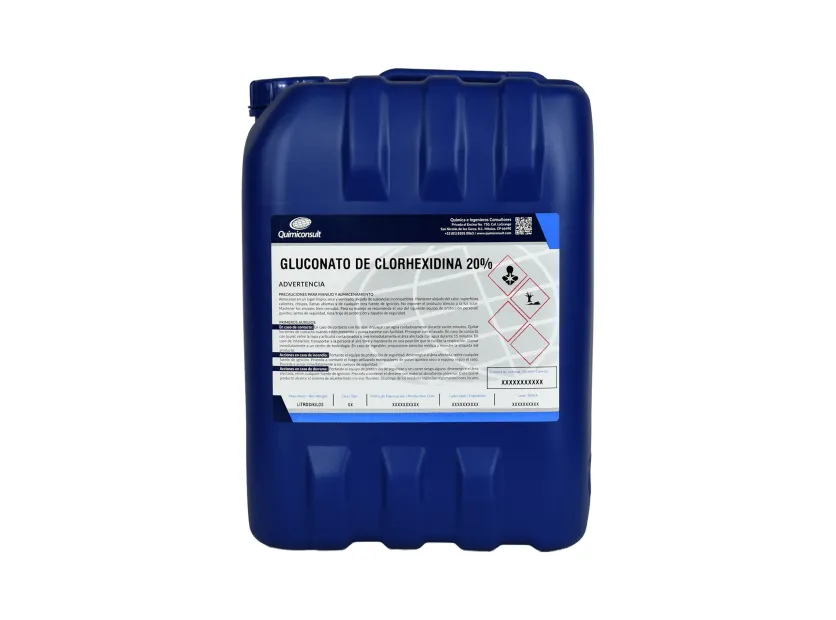
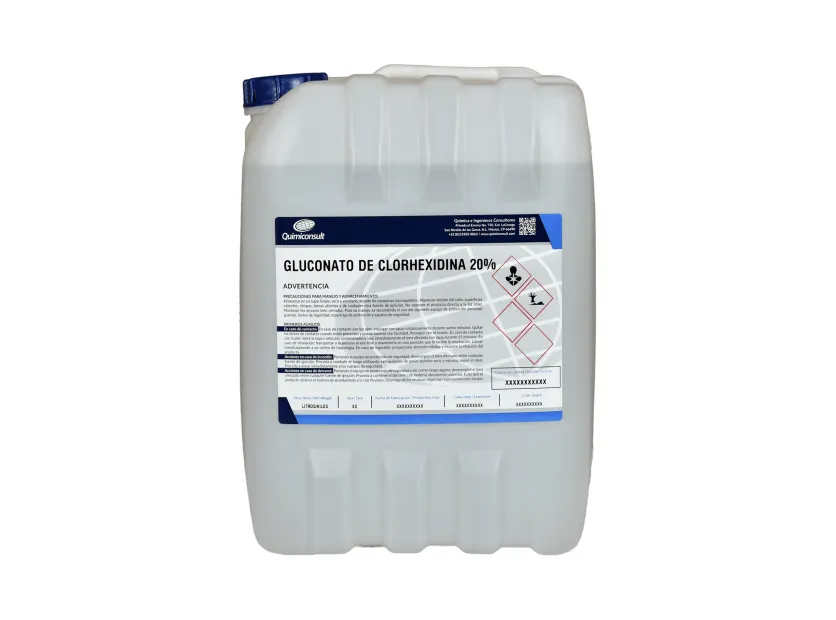
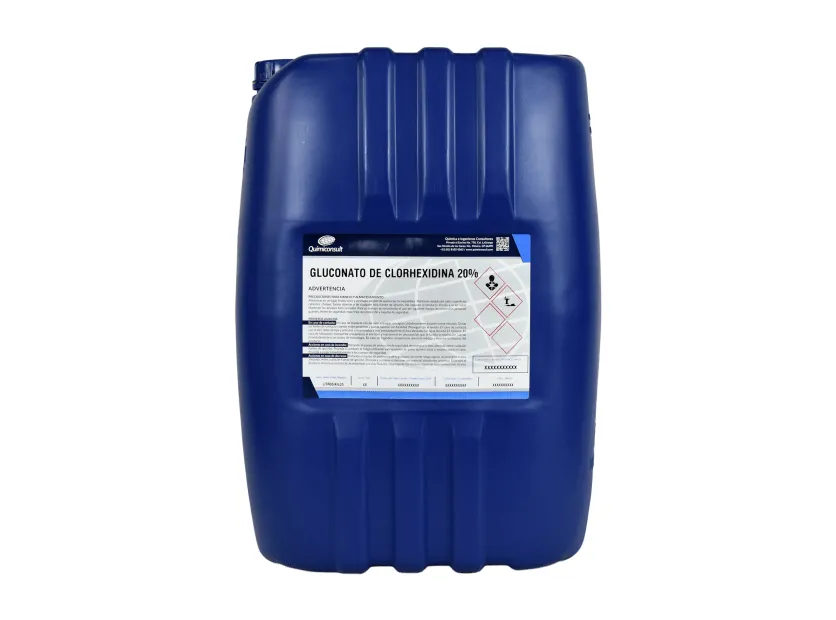
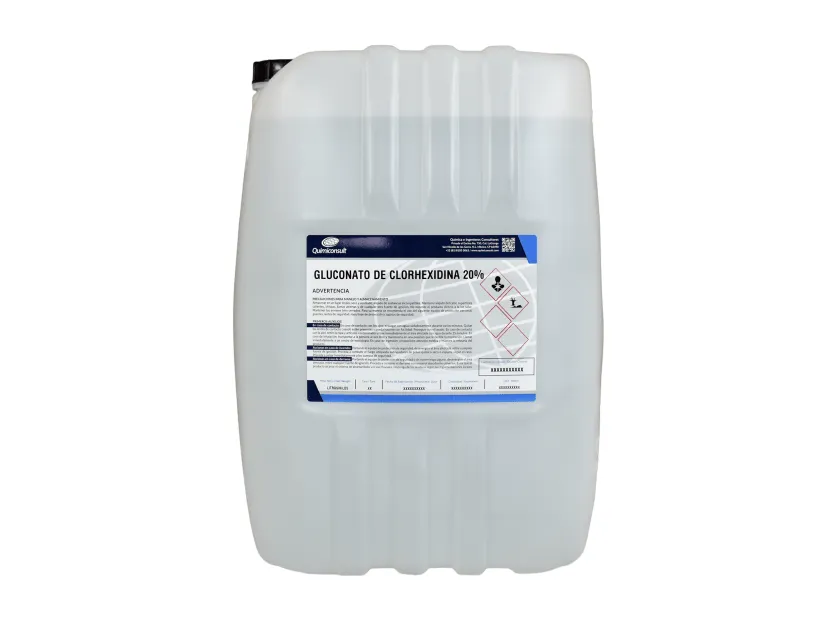
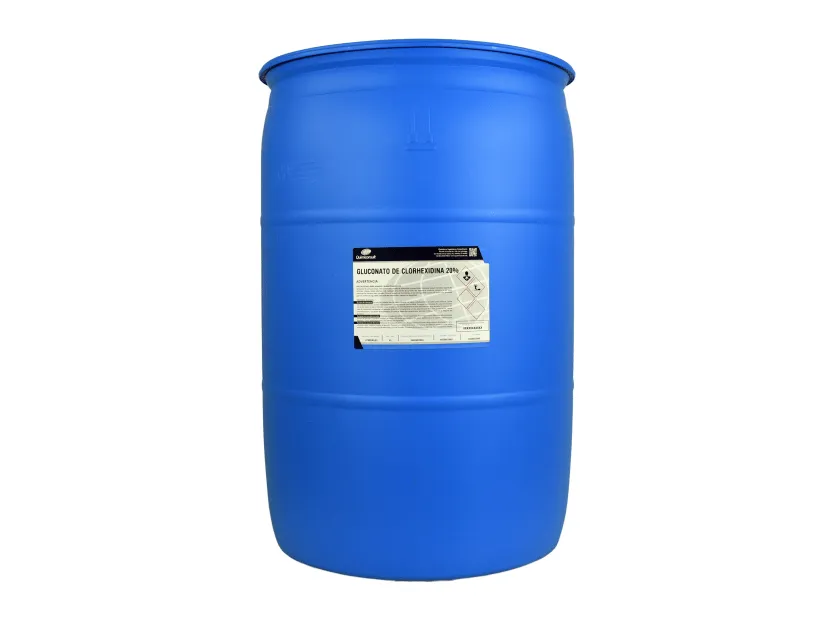
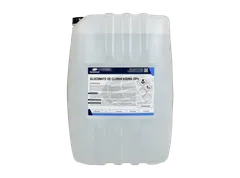
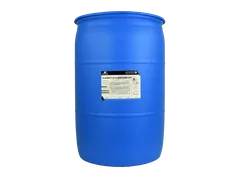
CHLORHEXIDINE GLUCONATE 20% USP GRADE
View All Prices
| Quantity | Unit Price |
|---|---|
| kg | |
| 1 - 99 | USD 3.78 |
| 100 - 199 | USD 3.72 |
| 200 - 499 | USD 3.66 |
| 500 - 999 | USD 3.60 |
| 1000 - 4999 | USD 3.55 |
| 5000 - 9999 | USD 3.49 |
| 10000 - 17999 | USD 3.45 |
| 18000+ | USD 3.39 |
Biocide-grade chlorhexidine gluconate product description
The 20% USP grade chlorhexidine gluconate offered by Quimiconsult is a broad-spectrum cationic antimicrobial from the biguanide family, formulated as a slightly yellow, nearly colorless liquid and designed for high-performance antiseptic and disinfectant applications. Its mechanism of action is based on destabilizing the outer bacterial membrane and precipitating cellular proteins, which allows it to effectively eliminate gram-positive and gram-negative bacteria, fungi and certain viruses, providing fast, persistent action on skin, mucous membranes and surfaces.
Thanks to its high water solubility and miscibility with glacial acetic acid, acetone and alcohol, this active ingredient integrates easily into pharmaceutical formulations, topical antiseptics, dental solutions, surgical soaps and hospital-grade disinfectants, remaining stable in solution and enabling the development of systems with a long-lasting residual effect. Its high affinity for biological tissues gives it sustained antimicrobial action after application, making it a key ingredient in wound healing, therapeutic mouthwashes, disinfection of surgical gowns and preoperative skin preparation products.
For those asking what chlorhexidine gluconate is used for, Quimiconsult offers not only USP grade raw material with controlled specifications, but also technical advice on incorporating it correctly into pharmaceutical, dental and sanitizing formulations. The product is available in Monterrey, Nuevo León, with shipping throughout Mexico for immediate supply to industrial and development projects.
Details and properties of chlorhexidine gluconate 20%
The 20% USP grade chlorhexidine gluconate we distribute at Quimiconsult is characterized by an active content between 19.0% and 21.0% determined by HPLC, ensuring consistency in pharmaceutical, dental and sanitizing formulations that require precise concentration control and reproducible antimicrobial performance. In a 1% solution it has a pH range between 5.5 and 7.0, compatible with topical systems and mucous membranes, while its specific gravity of 1.06 to 1.07 makes it easy to dose and handle in production processes. It is a slightly yellow, nearly colorless liquid, completely soluble in water and miscible with glacial acetic acid, acetone and alcohol, although later addition of these solvents may cause slight turbidity; this allows it to be incorporated into hydroalcoholic solutions, mouthwashes, surgical soaps and hospital-grade disinfectants.
The product meets strict quality controls for impurities and related compounds, including chlorhexidine guanidine at a maximum of 1.0% and chlorhexidine dimer at a maximum of 0.5%, as well as specific limits for by-products such as oxazinone, amines, ureas and nitriles, ensuring compliance with pharmaceutical-grade standards and acceptance in qualification processes. Identified by CAS number 18472-51-0, it is supplied in 20-liter jerrycans, 50- and 200-liter drums and 1000-liter totes, all in certified containers that preserve product stability during storage and transport, supporting its use both in formulation development and in industrial-scale production.
Properties of chlorhexidine gluconate
20% chlorhexidine gluconate is a highly substantive cationic antimicrobial, characterized by its strong affinity for skin, mucous membranes and other biological surfaces, which allows it to provide a long-lasting residual effect after application and maintain antimicrobial activity for extended periods. Its mechanism of action is based on adsorption to the microbial cell wall, protein denaturation and alteration of cytoplasmic membrane permeability, causing the loss of intracellular components and cell death. This behavior makes it one of the most effective actives for reducing microbial load in topical, dental and surgical applications.
Thanks to its moderate pH range and high stability in aqueous solution, it can easily be incorporated into formulations such as therapeutic mouthwashes, surgical hand-washing soaps and solutions, irrigation solutions and medical device disinfectants, retaining its efficacy without degrading during manufacturing. It shows high compatibility with nonionic surfactants and certain alcohols, enabling the development of hydroalcoholic systems and combination formulations with excellent microbiological performance. These characteristics make it a key ingredient in hospital, dental, pharmaceutical and veterinary antiseptic products that require immediate and persistent action, physicochemical stability and safe application
Applications and uses of chlorhexidine digluconate
20% USP grade chlorhexidine digluconate is an essential active in the formulation of topical skin antiseptics, preoperative solutions and surgical hand-washing soaps, where it provides a rapid and sustained reduction in microbial load thanks to its long-lasting residual effect. In dentistry it is incorporated into therapeutic mouthwashes and plaque-control solutions, acting as an adjuvant in periodontal treatments, tissue healing and the prevention of oral infections. Its high affinity for biological tissues and its stability in solution make it a key ingredient in products designed for clinical and pharmaceutical applications that require safety, efficacy and antimicrobial persistence.
It is also used to disinfect medical surfaces, surgical instruments, medical devices and healthcare textiles such as gowns and surgical drapes, helping meet hygiene protocols in hospitals, laboratories and critical care areas. In the veterinary sector it is used for presurgical preparation of animals, equipment disinfection and sanitation of clinical areas, where its broad antimicrobial spectrum allows efficient control of bacteria and fungi. Thanks to its compatibility with a variety of formulation systems, it is also incorporated into antiseptic solutions, gels, lotions and wound care products.
To discover other products related to disinfection and care, visit our Biocides, Disinfection & Sanitization, Personal Care & Cosmetics and Pharmaceutical & Wellness categories.
Storage and handling of chlorhexidine gluconate
To preserve the physicochemical stability, active content and antimicrobial efficacy of 20% USP grade chlorhexidine gluconate, store it in its original, tightly closed container, protected from light in a cool, dry, well-ventilated place, avoiding direct exposure to heat sources and oxidizing agents that may cause degradation. Because of its cationic nature, it is essential to avoid contact with anionic surfactants and detergents, as they can cause incompatibilities that significantly reduce its biocidal activity and affect formulation stability. Gloves and safety goggles should be worn during handling to prevent direct contact with skin and eyes, especially when transferring, dosing and preparing solutions.
To adjust the concentration for pharmaceutical, hospital, dental or veterinary applications, dilutions should be made with distilled or deionized water, which ensures solution stability and avoids interference from dissolved salts in tap water. Under these storage and handling conditions, the product retains its properties throughout its shelf life and ensures reproducibility in formulation and industrial-scale production processes. As a general safety measure, keep it out of reach of children and pets and handle it according to good practices for pharmaceutical-grade raw materials.
Other names, synonyms and designations for chlorhexidine gluconate
20% USP grade chlorhexidine gluconate is widely identified in the pharmaceutical, hospital, dental and medical device industries by various technical, regulatory and trade names that make it easy to recognize in safety data sheets, technical data sheets, qualification processes and formulation development. Its most common name in scientific and regulatory documentation is chlorhexidine digluconate (digluconato de clorhexidina), while in raw materials and formulation it is also known as chlorhexidine gluconate, 20% chlorhexidine solution, chlorhexidine gluconate 20% or CHG 20%, terms that all refer to the same water-soluble chlorhexidine salt used as a broad-spectrum antiseptic and disinfectant. Its identification by CAS number 18472-51-0 is essential for quality control, traceability and compliance with pharmaceutical-grade standards.
In clinical and dental applications it is common to find references to 0.12%, 0.2%, 2% and 4% chlorhexidine gluconate, concentrations that correspond to diluted solutions used in therapeutic mouthwashes, surgical hand-washing soaps, preoperative skin preparation, irrigation solutions and surgical field disinfection. These variants frequently appear in searches such as chlorhexidine mouthwash, chlorhexidine oral rinse, chlorhexidine antiseptic solution, chlorhexidine surgical soap or CHG scrub, all related to its ability to reduce microbial load and provide a long-lasting residual effect. In the medical device and wound care sector, expressions such as chlorhexidine gluconate dressing, CHG-impregnated dressings, chlorhexidine antimicrobial patches or chlorhexidine wound dressings are used, terms associated with preventing infections in wounds and catheter insertion sites.
From a formulation and industrial sourcing standpoint, it may also appear as a broad-spectrum cationic antiseptic, antimicrobial biguanide, mouthwash active, raw material for surgical soaps, medical surface disinfectant or hospital biocide, designations that describe its function within the formulated system. On labels and international documentation it is usually declared as chlorhexidine digluconate solution, in line with pharmaceutical and INCI nomenclature for personal care and health products. There are also frequent searches such as what is chlorhexidine used for, chlorhexidine antiseptic, chlorhexidine hospital uses, chlorhexidine for wounds or chlorhexidine for dentistry, which relate directly to its therapeutic applications and antimicrobial efficacy.
In technical contexts it is also referred to as an antimicrobial agent with residual effect, presurgical preparation antiseptic, USP grade disinfectant solution or active for pharmaceutical and dental formulations, terms that highlight its stability in solution, its compatibility with hydroalcoholic systems and its affinity for biological tissues. Regardless of the name used, all of these variants refer to the same high-purity chlorhexidine digluconate, one of the most widely used raw materials worldwide for developing antiseptic, disinfectant and healthcare products with proven efficacy and a well-established safety profile.