Spanish
 English


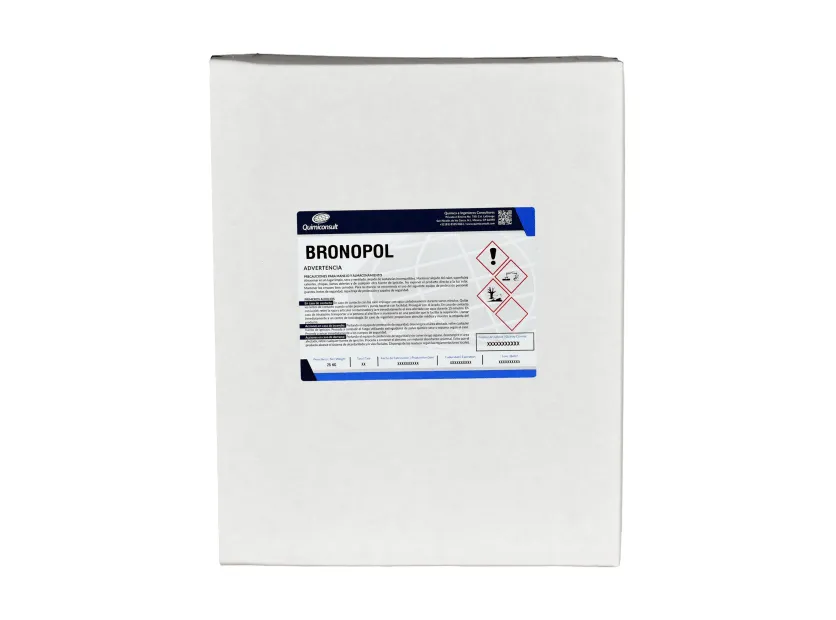
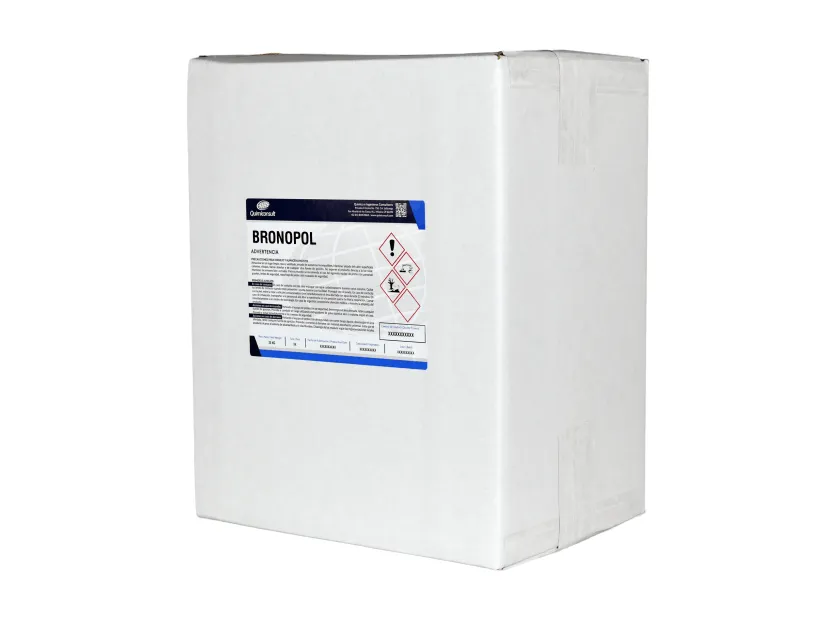
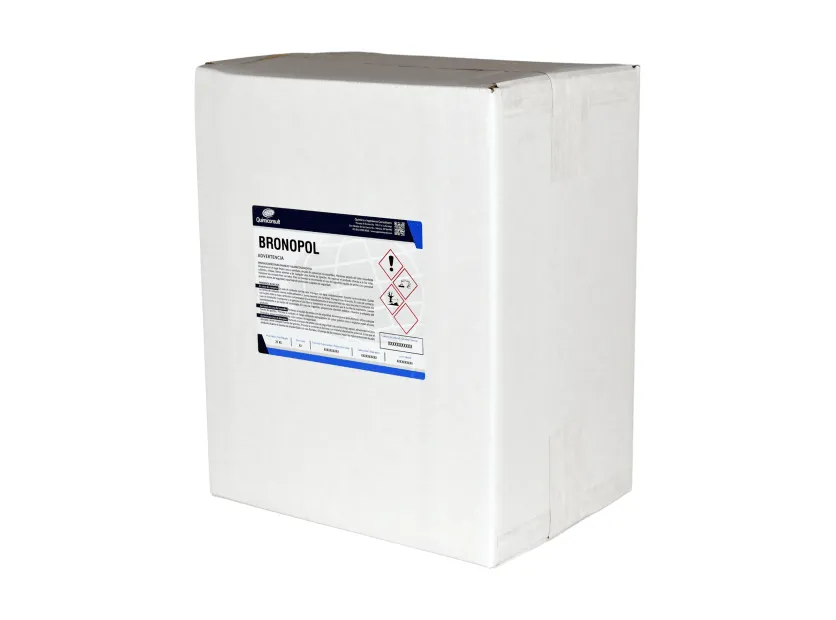
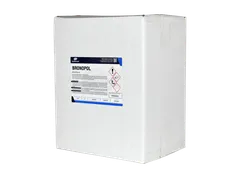
BRONOPOL ANTIMICROBIAL PRESERVATIVE INDUSTRIAL GRADE
View All Prices
| Quantity | Unit Price |
|---|---|
| kg | |
| 1 - 99 | USD 13.27 |
| 100 - 199 | USD 13.07 |
| 200 - 499 | USD 12.88 |
| 500 - 999 | USD 12.69 |
| 1000 - 4999 | USD 12.51 |
| 5000 - 9999 | USD 12.33 |
| 10000 - 17999 | USD 12.16 |
| 18000+ | USD 11.99 |
Need more? Message us and we'll help you source the volume you're after.
Message us on WhatsApp Message usDescription of bronopol antimicrobial preservative
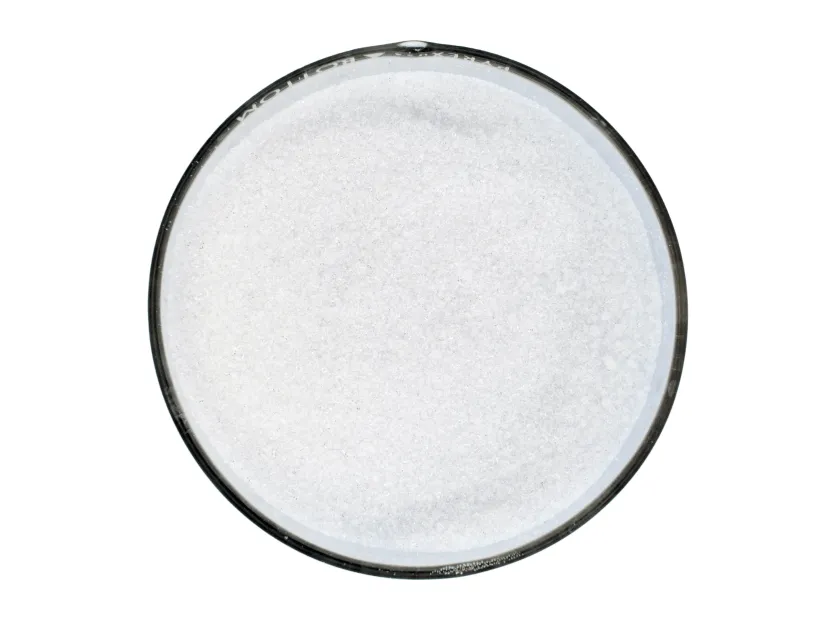
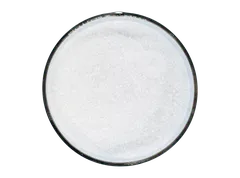
Industrial grade bronopol is a broad-spectrum antimicrobial preservative and biocide supplied as a high-purity white crystal (≥ 99 %), used for microbiological control in aqueous formulations and industrial systems. Its chemical name is 2-bromo-2-nitropropane-1,3-diol and it belongs to the nitroalcohol family, compounds recognized for their high efficacy against Gram-positive and Gram-negative bacteria, as well as molds and yeasts.
Thanks to its high water solubility (up to 28 % at 25 °C) and compatibility with glycols and surfactants, bronopol can be easily incorporated into liquid formulations, acting as a preservative in personal care products, detergents, paper slurries, cooling systems and industrial solutions where microbial contamination affects product stability, performance and shelf life.
Its stability in the slightly acidic to neutral pH range (4.0 – 7.0) makes it an excellent choice for formulations that require microbiological protection without altering their physicochemical properties.
At Quimiconsult we have bronopol available in Monterrey, Nuevo León, with shipping throughout Mexico, ensuring immediate supply for production processes and formulation projects.
Bronopol details and properties
The industrial grade bronopol we distribute at Quimiconsult stands out for its high purity (≥ 99 % by HPLC) and its form as fine white crystals with excellent flowability, which makes it easy to handle and dose in production processes. Identified by CAS number 52-51-7, this antimicrobial preservative offers high solubility in water and glycols, allowing fast, uniform incorporation into water-based liquid formulations used in the personal care, detergent, paper and water treatment industries.
In a 10 % solution it has a pH range between 4.0 and 7.0, a condition that ensures its stability and efficacy in slightly acidic to neutral media, while its heavy metals content below 10 ppm ensures consistency in industrial applications that require quality control. It is available in 1 kg packs and 25 kg bags, in hermetically sealed containers that protect the product from moisture and preserve its performance during storage and transport. Although it does not carry specific certifications, bronopol meets the technical standards for use as a biocide and preservative in cosmetics, paper slurries, chemical formulations, pesticides and water treatment systems, making it a reliable solution for microbiological control in aqueous systems.
Bronopol properties
Bronopol exerts its antimicrobial action at the cellular level through a mechanism that combines the controlled release of formaldehyde and the oxidation of protein sulfhydryl groups, which causes the denaturation of essential enzymes and disrupts the cell membrane of microorganisms. This dual action provides a broad-spectrum biocidal effect that is highly effective even at low concentrations, allowing its use as a preservative in formulations that require high microbiological efficiency without affecting the properties of the system.
Its stability in the slightly acidic to neutral pH range makes it compatible with a wide variety of industrial and personal care products, while its high solubility in water and glycols makes it easy to prepare concentrated solutions and incorporate them uniformly into liquid systems. Thanks to its chemical structure, it maintains its performance in the presence of organic matter and offers high compatibility with surfactants, adjuvants and other formulation components, making it a reliable solution for microbiological control in aqueous systems, liquid detergents, paper slurries and cosmetic products.
Bronopol applications and uses
Industrial grade bronopol is a highly versatile broad-spectrum antimicrobial preservative, used in many sectors that require effective microbiological control in aqueous systems. In the cosmetics and personal care industry it is used as a preservative in creams, lotions, shampoos, gels, wet wipes and liquid formulations, where it protects the product against bacterial and fungal contamination during storage and use, helping maintain its stability, safety and shelf life. In the paper industry it is added to water-based slurries, coatings and dispersions, where it inhibits the growth of microorganisms that can affect viscosity, generate unpleasant odors and degrade the quality of the final product.
In industrial water systems such as cooling towers, closed recirculation loops and storage tanks, bronopol acts as a biocide to control the microbial load in circulating water, helping preserve the operating efficiency of equipment and reduce problems associated with bacterial proliferation. It is also used in industrial drilling processes, process fluids, CIP cleaning systems and recirculation solutions, where it works as a disinfectant and preservative to keep the system stable. In agricultural applications it is used to disinfect irrigation equipment and to prepare crop protection solutions, helping preserve the microbiological quality of spray water. It is also widely used in liquid detergents, cleaners and water-based chemical formulations, where it extends product shelf life, prevents microbial degradation and prevents bad odors, ensuring consistent performance throughout the storage period.
To discover complementary products for preservation and microbial treatment, visit our sections for Biocides, Disinfection & Sanitization, Preservatives, Personal Care & Cosmetics and Pharmaceutical & Wellness, where you will find other preservatives, biocides and additives to complement your formulations
Bronopol storage and handling
To preserve the stability, purity and antimicrobial efficacy of industrial grade bronopol, store it in its original tightly closed container in a cool, dry, well-ventilated area, protected from moisture, heat sources and direct sunlight. Proper storage conditions prevent product degradation and ensure consistent performance throughout its shelf life.
It should be kept away from reducing agents and combustible organic materials to prevent unwanted reactions. When handling it, use personal protective equipment such as gloves and safety glasses, avoiding prolonged contact with skin and eyes and inhalation of dust. For incorporation into liquid formulations, we recommend pre-dissolving the bronopol in water or glycols before adding it to the final system, which promotes uniform dispersion and maximizes its efficiency as a preservative and biocide in aqueous systems. Under these storage and handling conditions, the product remains stable for at least twelve months, ensuring reproducibility and reliability in industrial processes.
Other names, synonyms and designations for bronopol
Bronopol is widely identified in the chemical, cosmetic and industrial sectors by different technical and trade names and abbreviations that make it easier to find in technical data sheets, safety data sheets, purchase orders and specialized literature. Its official chemical name is 2-bromo-2-nitropropane-1,3-diol, corresponding to its structure as a brominated nitroalcohol, and it is associated with CAS number 52-51-7, a key reference in raw material approval, supplier qualification and regulatory compliance. In international technical documentation it may also appear as 2-bromo-2-nitro-1,3-propanediol, BNP (Bromo Nitro Propane Diol) or bromonitrodioxane diol, names used in the formulation of personal care products, liquid detergents, water treatment systems and water-based industrial applications.
In cosmetic and home care formulation it is commonly found as bronopol preservative, bronopol antimicrobial, bronopol biocide or preservative bronopol (preservante bronopol), terms that highlight its main function as a broad-spectrum preservative for microbiological control in emulsions, solutions and aqueous dispersions. In the paper and chemical process industries it is also requested as bronopol biocide for slurries, preservative for aqueous systems or microbicide for cooling towers and recirculation loops, referring directly to its use in controlling bacteria and fungi in media susceptible to microbial contamination.
From a commercial and procurement standpoint, it is commonly requested as industrial grade bronopol, bronopol 99 %, bronopol HPLC, bronopol powder, crystalline bronopol or antimicrobial preservative for liquid formulations, terms used by purchasing and production teams to secure the purity, form and quality their processes require. In some markets or historical records the variant bonopol may appear, considered an abbreviated form or typo that nonetheless refers to the same compound.
In technical and online searches related to formulation and applications, the product is also associated with English and Spanish expressions such as bronopol uses, bronopol uses in cosmetics, bronopol uses in water treatment, bronopol in liquid detergents, bronopol in cosmetics, biocide for aqueous systems, preservative for water-based products and broad-spectrum antimicrobial agent, reflecting its versatility in industries such as personal care, water treatment, paper, agrochemicals, oil and gas, and cleaning products. Likewise, frequent queries such as what is bronopol, what is bronopol used for, function of bronopol in formulations or bronopol industrial preservative relate to its ability to inhibit microbial growth under neutral to slightly acidic pH conditions and its efficiency at low concentrations.
These multiple designations make it possible to identify bronopol at different stages of the supply chain and in different technical contexts, ensuring its correct selection as a high-performance preservative and biocide for industrial applications, as well as its integration into formulation systems that require microbiological stability, extended shelf life and protection of the finished product.