Spanish
 English


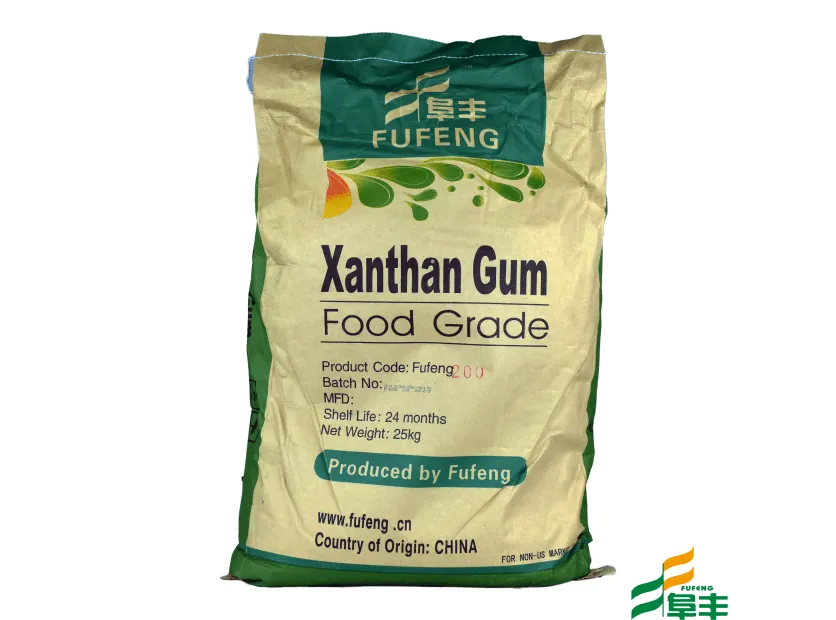
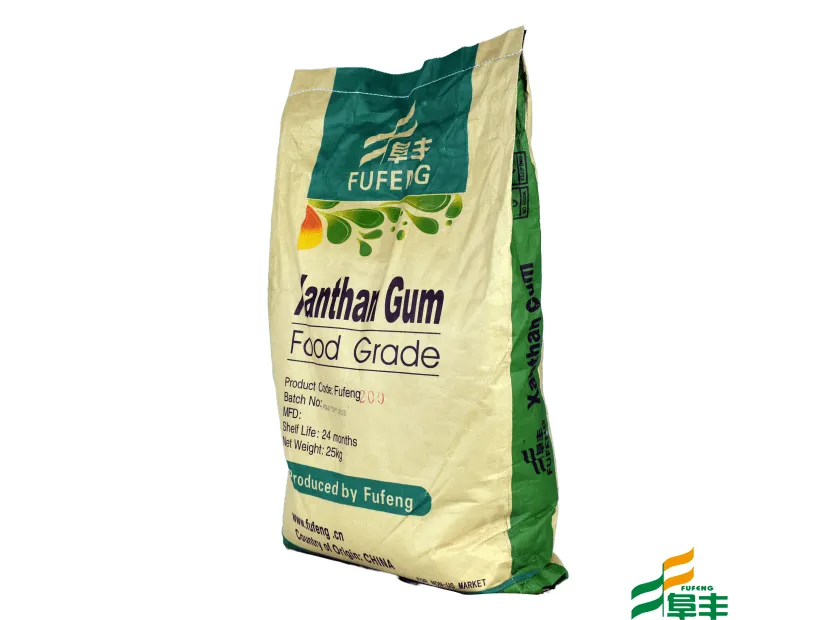
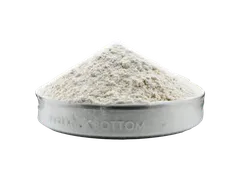
XANTHAN GUM 200 MESH FUFENG® FOOD GRADE
View All Prices
| Quantity | Unit Price |
|---|---|
| kg | |
| 1 - 99 | USD 3.30 |
| 100 - 199 | USD 3.26 |
| 200 - 499 | USD 3.22 |
| 500 - 999 | USD 3.18 |
| 1000 - 4999 | USD 3.15 |
| 5000 - 9999 | USD 3.11 |
| 10000 - 17999 | USD 3.08 |
| 18000+ | USD 3.04 |
Product description: Xanthan Gum 200 Mesh thickener and stabilizer
At Quimiconsult we offer Xanthan Gum 200 Mesh, a high-molecular-weight biopolymer produced by bacterial fermentation of Xanthomonas campestris that provides versatile rheology control across a wide range of industrial applications. As specialized distributors of functional ingredients for the food, cleaning, agro-industrial and oil industries, we guarantee a steady supply of high-quality xanthan gum with technical support and full traceability for every batch.
Xanthan gum is an extracellular polysaccharide that dissolves easily in cold or hot water to form highly viscous solutions even at very low concentrations, typically between 0.1% and 1.0%. This superior thickening capacity sets xanthan gum apart from other hydrocolloids that require heating or significantly higher concentrations to reach comparable viscosities. The 200 Mesh designation indicates that a minimum of 92% of the particles pass through a 200 mesh screen (75 microns), which ensures fast, uniform dispersion in aqueous systems, reducing lump formation and speeding up preparation times on industrial production lines.
One of the most valued characteristics of xanthan gum is its pseudoplastic behavior, also known as shear thinning: xanthan gum solutions significantly reduce their viscosity when subjected to shear stress, such as during pumping, stirring or pouring, and recover their original viscosity when the stress stops. This property is essential in applications such as dressings, sauces, cleaning products and drilling fluids, where the product needs to flow easily during application but keep its structure and suspension at rest.
Xanthan gum is considered non-hazardous under the Globally Harmonized System (GHS) of classification of chemicals and is suitable for use in environmentally sensitive applications. Its biodegradable nature, its regulatory status as an approved food additive (E415 in the European Union, recognized as GRAS by the FDA in the United States) and its compatibility with a wide variety of ingredients make it one of the most widely used hydrocolloids worldwide in industries ranging from food to oil extraction.
Fufeng Group, the world's largest xanthan gum producer
The Xanthan Gum 80 Mesh we offer at Quimiconsult is manufactured by Fufeng Group, the world's leading xanthan gum producer and one of the largest manufacturers of amino acids and fermentation bioproducts globally. Founded in 1999 and headquartered in Shandong, China, Fufeng Group is listed on the Hong Kong Stock Exchange and operates multiple production plants with a combined capacity that makes it the largest-scale xanthan gum supplier in the world.
The value of xanthan gum from Fufeng lies in the consistency and reliability a manufacturer of this size offers. Fufeng operates under internationally certified quality management systems, including ISO 9001, ISO 22000 (food safety), ISO 14001 (environmental management) and FSSC 22000, and holds Halal and Kosher certifications for its food grade xanthan gum lines. This quality infrastructure ensures that every batch of xanthan gum meets consistent specifications for viscosity, purity, particle size and functionality, a critical aspect for formulators who depend on the reproducibility of their finished products.
Fufeng has continuously invested in fermentation and purification technology, allowing it to offer xanthan gums with rheological profiles optimized for different market segments: food grade for the food and beverage industry, industrial grade for oil drilling and mining, pharmaceutical grade for drug formulations, and cosmetic grade for personal care products. This specialization by application grade ensures that the product supplied is designed for the specific demands of each industry.
By choosing Fufeng xanthan gum through Quimiconsult, our customers get a world-class product with the advantage of local technical support, inventory available in Mexico, documentation in Spanish and formulation advice that complements the quality of the original manufacturer's product. Quimiconsult has built a stable commercial relationship with Fufeng that allows us to offer continuous availability, competitive prices and flexible purchase volumes, from single bags to full containers for large-scale operations.
Benefits of Xanthan Gum 200 Mesh as a rheology agent
The most notable benefit of Xanthan Gum 200 Mesh is its extraordinary thickening capacity at low concentrations. While other thickeners and stabilizers require dosages of 2% to 5% to reach working viscosities, xanthan gum produces highly viscous solutions at just 0.1% to 1.0% concentration, which translates into a significantly lower effective cost per batch and optimized storage space for raw materials.
Viscosity stability across temperature variations is another critical benefit for industrial processes. Xanthan gum solutions maintain their rheological properties over a wide temperature range, from refrigeration conditions to pasteurization temperatures, allowing formulators to design products that keep their texture and consistency throughout the production, distribution and consumption chain. This thermal stability distinguishes xanthan gum from modified starches and other thickeners that irreversibly lose viscosity when subjected to thermal cycles.
Tolerance of a wide pH range is an additional advantage that broadens formulation possibilities. Xanthan gum keeps its functionality in solutions from pH 1 to pH 13, making it compatible with highly acidic systems such as vinegar-based dressings and citrus juices, as well as strongly alkaline formulations such as detergents and industrial cleaners. This versatility across pH variations is hard to find in other hydrocolloids on the market.
Compatibility with high salt concentrations is particularly valuable for applications in the food and oil industries. While many thickeners lose functionality in the presence of electrolytes, xanthan gum maintains and can even improve its viscosity in solutions with a high content of sodium chloride, potassium chloride and divalent salts such as calcium and magnesium, making it the preferred choice for brines, drilling fluids and formulations with very hard water.
Its ability to suspend solid particles at rest, combined with easy flow during pumping or stirring (pseudoplastic behavior), makes xanthan gum irreplaceable in applications where particulate ingredients must be kept evenly distributed, such as spices in dressings, abrasives in cleaners, active ingredients in agricultural formulations or proppants in hydraulic fracturing fluids.
The fast hydration of the 200 Mesh grade is a direct operational benefit on high-volume production lines. With its fine particle size (minimum 92% passes 200 mesh), dispersion in water is fast and uniform, reducing batch preparation times and minimizing the formation of lumps or agglomerates that require prolonged stirring to break up, which means tangible savings in process time and energy consumption.
Finally, the excellent storage stability of the powder ensures that xanthan gum retains its functional properties for long periods when properly stored in dry conditions and protected from sunlight, allowing purchasing departments to schedule larger-volume purchases to optimize logistics costs without risk of product degradation.
Industrial applications of Xanthan Gum 200 Mesh
Food industry: sauces, dressings and condiments
Xanthan gum is the stabilizer and thickener of choice in the formulation of sauces, salad dressings, vinaigrettes, ketchup, barbecue sauce, hot sauces, mayonnaise and mustard. Its pseudoplastic behavior lets the dressing flow easily when shaken or poured from the container, but immediately recover its viscosity to keep spices, herbs and solid particles evenly suspended without settling. In emulsions such as vinaigrettes and ranch-type dressings, xanthan gum stabilizes the oil-water interface, significantly extending product shelf life and preventing the phase separation that consumers perceive as a quality defect.
Food industry: dairy products and ice cream
In dairy products, xanthan gum is used as a stabilizer in yogurts, creams, cream cheeses, dairy drinks, ice cream and frozen desserts. In ice cream and sorbets, it controls ice crystal formation during freezing and temperature cycles in the cold chain, improving the creamy texture and mouthfeel of the final product. In drinkable yogurts and flavored milks, xanthan gum keeps the mixture homogeneous and prevents syneresis (whey separation), a defect that reduces consumer acceptance of the product.
Food industry: baking and pastry
In gluten-free baking, xanthan gum has become an essential ingredient that replaces the functionality of gluten as a dough-structuring agent. Adding xanthan gum to gluten-free flours (rice, almond, tapioca, corn) provides the elasticity and cohesion the dough needs to retain the gas produced during fermentation, yielding breads, cakes, cookies and tortillas with an acceptable texture that approaches that of their wheat flour equivalents. This application has grown exponentially, driven by global demand for gluten-free products for people with celiac disease and those who choose gluten-free diets.
Food industry: beverages and juices
In the beverage industry, xanthan gum is used to stabilize pulpy juices, nectars, fruit drinks, smoothies, protein drinks and energy drinks where solid particles must be kept in suspension and a consistent texture is needed that consumers associate with quality and freshness. In plant-based beverages (almond, oat, soy and coconut milks), xanthan gum helps stabilize the emulsion and prevent the phase separation that is particularly pronounced in these systems.
Cleaning and detergent industry
Xanthan gum plays a key role as a rheology agent in the formulation of cleaners, degreasers, liquid detergents, bathroom cleaners, surface cleaners and gel cleaning products. Its function is to provide the viscosity the product needs to cling to vertical surfaces for the contact time required for the cleaning agent to act, and to give consumers or operators the perception of concentration and quality they associate with a more viscous product. In gel-type industrial cleaner formulations, xanthan gum allows the product to stay in contact with the soiled surface longer than a conventional liquid cleaner, improving cleaning effectiveness without increasing the concentration of active agents.
Personal care and cosmetics industry
In the cosmetics and personal care industry, xanthan gum is used as a thickener, stabilizer and suspending agent in creams, lotions, shower gels, shampoos, conditioners, face masks, toothpastes, hair gels and sunscreen products. Its compatibility with surfactants, its stability over a wide pH range and its natural origin make it especially attractive to formulators looking for clean label or biotech-derived ingredients for natural and organic product lines. Xanthan gum provides a smooth, pleasant texture in topical products and contributes to the stability of the oil-in-water emulsions that form the base of most moisturizing creams and body lotions.
Agricultural and agrochemical formulations
In the agricultural sector, xanthan gum is incorporated into formulations of herbicides, insecticides, fungicides and liquid fertilizers as a thickening and suspending agent. Its function is to keep the active ingredients evenly distributed in the spray mix and improve the product's adhesion to crop leaves, reducing runoff and increasing the effectiveness of crop protection treatments with less product. In controlled-release formulations, xanthan gum acts as an encapsulating agent that modulates the release rate of the active ingredient, prolonging its effect in the field.
Oil industry: drilling fluids
One of the most important industrial applications of xanthan gum outside the food sector is its use in drilling fluids (drilling muds) for oil and natural gas exploration and extraction. Xanthan gum provides viscosity and the capacity to carry drill cuttings from the bottom of the well to the surface, while its pseudoplastic behavior allows the fluid to flow efficiently through circulation pumps and piping. In hydraulic fracturing (fracking) operations, xanthan gum is used to gel the carrier fluid that transports the proppant (typically sand or ceramic) into the fractures created in the rock, where the proppant keeps the fractures open to allow hydrocarbons to flow.
Pharmaceutical industry
In the pharmaceutical industry, xanthan gum is used as an excipient in formulations of tablets, capsules, oral suspensions, syrups, ophthalmic gels and controlled drug release systems. Its function as a sustained-release agent in hydrophilic matrices makes it possible to control the rate at which the active ingredient is released in the gastrointestinal tract, improving bioavailability and reducing dosing frequency for the patient. In pediatric oral suspensions, xanthan gum keeps the drug evenly distributed in the vehicle, ensuring the accuracy of each dose administered.
Coatings and paint industry
In the paints, varnishes, coatings and inks industry, xanthan gum works as a rheology agent that controls viscosity during storage, application and drying. It prevents pigments and mineral fillers from settling in the container during storage, provides adequate flow during brush, roller or spray application, and helps prevent sagging on vertical surfaces immediately after application. These rheological properties are especially valued in water-based paints, where xanthan gum offers a better flow profile than modified celluloses and conventional acrylic thickeners.
Textile industry
In textile processes, xanthan gum is used as a thickener for printing pastes, a sizing agent and a rheology modifier in dye baths. Its pseudoplastic behavior is ideal for textile printing, where the paste must flow through screen-printing meshes during application but keep the design sharp and well defined on the fabric once deposited.
Construction industry
In the construction industry, xanthan gum is incorporated into cement grouts, self-leveling mortars and tunneling fluids as a rheology agent and water-loss control agent. In cement injections for soil stabilization and cavity filling, xanthan gum improves grout penetrability by reducing viscosity during pumping and provides thixotropy that prevents segregation and bleeding once the mix is placed in its final position.
Xanthan Gum grades available at Quimiconsult
At Quimiconsult we understand that different industrial applications and processes require different particle size specifications, so we offer two xanthan gum grades suited to particular needs for dispersion, hydration and in-plant handling.
Xanthan Gum 200 Mesh is our fine particle size grade, in which a minimum of 92% of the particles pass through 200 mesh (75 microns) and 100% pass 80 mesh. This fine particle size is the preferred option for applications that require fast, lump-free dispersion in aqueous systems, such as automated food and beverage production lines with short mixing times, pharmaceutical formulations where dispersion uniformity is critical, and injection dosing systems where coarse particles could cause blockages. The fast hydration of 200 Mesh allows the target viscosity to be reached with less stirring time, which translates into higher production efficiency.
Xanthan Gum 80 Mesh is our standard particle size grade, in which 100% of the particles pass through 80 mesh (180 microns). This coarser particle size is suitable for applications with longer mixing times and robust agitation systems that ensure complete dispersion, such as the preparation of oil drilling fluids, high-volume agricultural formulations, paint and coating manufacturing processes that use high-speed dispersers, and industrial cleaning applications where the batch is prepared in mechanically agitated tanks. 80 Mesh can offer in-plant handling advantages by generating less fine dust during dosing and bag emptying, contributing to a cleaner work environment and reducing the need for dust extraction systems.
The choice between 200 Mesh and 80 Mesh depends mainly on the customer's process conditions: required hydration speed, available agitation equipment, the application's sensitivity to unhydrated particles, and in-plant handling preferences. Our technical team can advise on selecting the most appropriate particle size for the specific conditions of each production process.
Directions for use and dosage recommendations for Xanthan Gum 200 Mesh
For the best results with Xanthan Gum 200 Mesh, we recommend dispersing the powder gradually into the water or aqueous medium under vigorous agitation, preferably using a high-speed mixer or a Cowles-type disperser. Dispersion under intense agitation is key to preventing lumps or agglomerates (known as "fish eyes"), which form when xanthan gum particles hydrate rapidly on their outer surface, creating a gelled layer that prevents water from penetrating to the center of the particle.
An effective technique to aid dispersion is to pre-mix the xanthan gum with other dry ingredients in the formulation, such as sugar, salt, flour or other powders, before adding the dry mix to the aqueous medium. This dry pre-dispersion separates the xanthan gum particles and keeps them from agglomerating on contact with water. Another technique used in industry is to disperse the xanthan gum in a non-aqueous medium such as vegetable oil or propylene glycol before adding it to the aqueous system, which also prevents lump formation.
Typical use concentrations vary by application: for light thickening in beverages and juices, concentrations of 0.05% to 0.2% are usually sufficient. For dressings, sauces and medium-viscosity products, concentrations of 0.2% to 0.5% are used. For gels, gel cleaning products and applications that require high viscosity and suspension capacity, concentrations can range from 0.5% to 1.5%. In oil drilling fluids, typical concentrations range from 0.3% to 0.7% depending on well conditions and cuttings-carrying requirements.
It is important to keep in mind that the final viscosity of the xanthan gum solution depends not only on concentration, but also on stirring speed during preparation, water temperature, the presence of electrolytes (which can increase viscosity) and the pH of the system. We recommend small-scale laboratory testing to determine the optimal concentration before scaling up to industrial production.
Xanthan Gum 200 Mesh is compatible with most ingredients commonly used in food and industrial formulations, including sugars, salts, organic acids, surfactants, preservatives and other hydrocolloids such as guar gum, locust bean gum, carboxymethyl cellulose (CMC) and alginates. The combination with locust bean gum is particularly known for producing a synergistic effect that forms elastic gels, an interaction used in the formulation of vegan cheeses, desserts and applications that require thermoreversible gelation.
Physicochemical properties of Xanthan Gum 200 Mesh
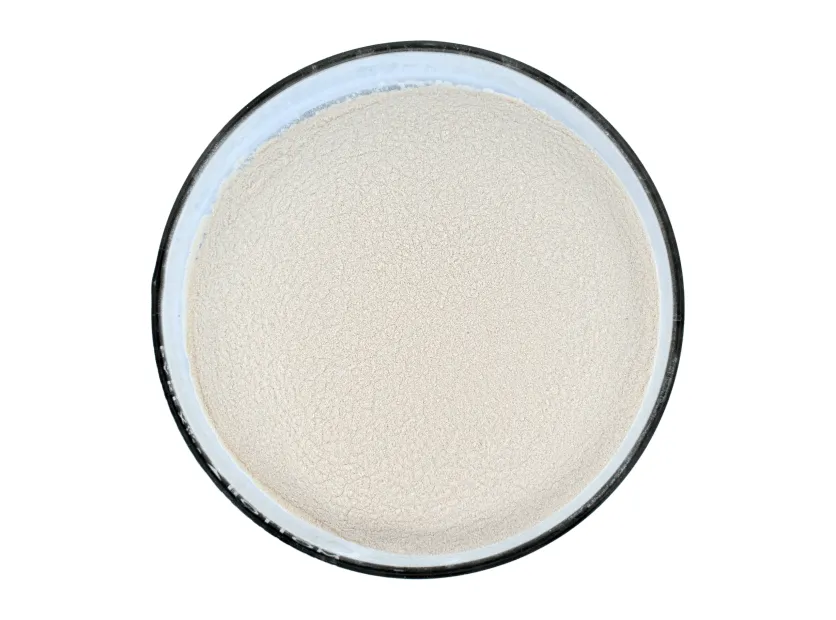
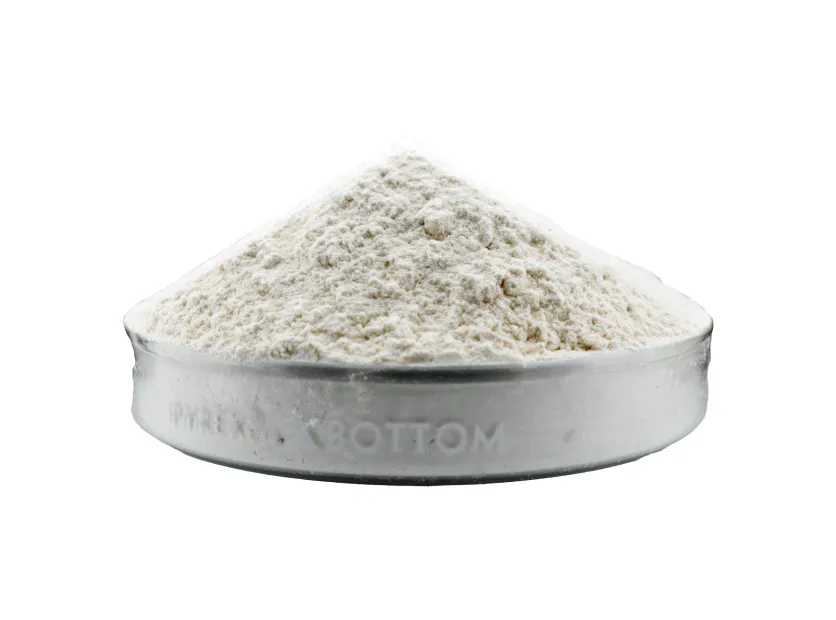
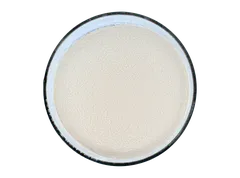
Xanthan Gum 200 Mesh is a fine white to slightly cream-colored powder, with a 1% solution pH of 6.0 to 8.0, indicating a practically neutral character that makes it compatible with both acidic and alkaline formulations. The viscosity of a 1% solution is in the range of 1,200 to 1,700 cPs (centipoise), a high viscosity that demonstrates the product's thickening efficiency even at low concentrations.
The product's particle size ensures that 100% of the particles pass through 80 mesh and a minimum of 92% pass through 200 mesh, guaranteeing a fine, uniform particle size distribution that promotes fast dispersion and hydration in aqueous media. This fineness is a distinctive specification of the 200 Mesh grade compared with the standard 80 Mesh grade.
The product is soluble in cold and hot water, forming viscous, pseudoplastic solutions with excellent stability against variations in temperature, pH, salinity and the presence of other ingredients. The composition is 100% xanthan gum (CAS 11138-66-2), with no additives, fillers or blends with other hydrocolloids, giving formulators full control over the proportions of their formulation.
Safety and classification of Xanthan Gum 200 Mesh
Xanthan Gum 200 Mesh is classified as non-hazardous under the Globally Harmonized System (GHS), in accordance with NOM-018-STPS-2015. It requires no signal word or hazard pictograms, reflecting its favorable safety profile and its long history of safe use in foods, cosmetics and pharmaceutical products.
The NFPA rating is 0 for health hazard, 1 for flammability and 0 for reactivity. The slight flammability (level 1) refers to the fact that, like any fine organic powder, xanthan gum can form dust-air mixtures that are potentially combustible at sufficient concentrations. For this reason, avoid generating dust clouds during handling and keep the product away from ignition sources such as open flames, boilers and other heat sources.
Acute oral toxicity is extremely low, with an LD50 in rats greater than 5,000 mg/kg, confirming its safety as a food ingredient. No mutagenic, carcinogenic or reproductive toxicity effects are known to be associated with xanthan gum. The product is not classified as hazardous to the environment and requires no special regulation for transport, storage or disposal.
As for health effects during industrial handling, the hygroscopic properties of xanthan gum can cause the powder to form a paste or gel on contact with the mucous membranes of the respiratory tract, so excessive dust inhalation should be avoided and respiratory dust protection (P1) should be used when handling significant quantities. Prolonged contact with the dry powder can cause skin dryness. In case of eye contact, rinse with plenty of water for at least 15 minutes.
Storage and handling of Xanthan Gum 200 Mesh
Proper storage of Xanthan Gum 200 Mesh is essential to preserve its rheological and functional properties throughout its shelf life. The product should be stored in a dry, cool, well-ventilated place, protected from direct sunlight and ambient humidity. Moisture is the main factor that can affect product quality, since the hygroscopic nature of xanthan gum causes it to absorb water from the environment, which can lead to powder caking, changes in flowability and eventually microbial growth if enough moisture is absorbed.
The container should be kept tightly closed when product is not being dispensed. We recommend using bags or containers with a moisture barrier and closing them immediately after each use. In environments with high relative humidity, consider storage in humidity-controlled areas or the use of desiccants in the storage area.
The product should be stored away from strong oxidizing agents, which are the only materials identified as incompatible in the Safety Data Sheet. No special temperature conditions are required beyond avoiding excessive heat and direct sun exposure.
During handling, avoid forming dust clouds by using adequate ventilation systems in dosing and mixing areas. If ventilation is insufficient, use appropriate dust respiratory equipment. Recommended personal protective equipment includes splash-proof safety goggles, protective gloves, work clothing and safety shoes. In case of large dust releases, the use of self-contained breathing apparatus (SCBA) is recommended.
In case of a spill, collect the product with a shovel and place it in a suitable container. Sweep or vacuum while avoiding dust dispersion. It may be necessary to lightly moisten the material to make collection easier and reduce dust generation. Thoroughly clean the contaminated area with water, bearing in mind that the wet product will become very slippery as it forms a viscous gel on contact with water.
Other names and synonyms for Xanthan Gum 200 Mesh
Xanthan Gum 200 Mesh may also be identified as xanthan gum (goma xantana, goma de xantano, goma xantan or xantana), terms used interchangeably in industrial, academic and commercial settings to refer to this biopolymer. These names appear frequently in technical data sheets, purchase specifications, formulations and technical literature across many industries.
In the food industry, the product is also known by its food additive number E415 (European nomenclature) or by its INCI (International Nomenclature of Cosmetic Ingredients) name Xanthan Gum, which is the standard name in cosmetic and personal care products. In regulatory documentation and safety data sheets, it is identified by CAS number 11138-66-2.
Within the broader category of industrial hydrocolloids, xanthan gum belongs to the family of microbial polysaccharides, produced by bacterial fermentation, unlike other hydrocolloids of plant origin (guar gum, gum arabic, alginates) or animal origin (gelatin). This classification by origin is increasingly relevant for formulators looking for vegan, halal, kosher or non-animal ingredients.
Likewise, in industrial purchasing and procurement it is common to find searches such as xanthan gum price, xanthan gum cost, industrial xanthan gum, xanthan gum 200 mesh, food grade xanthan gum, xanthan gum food grade, industrial sauce thickener, xanthan gum for drilling, xanthan for cosmetics, xanthan gum for cleaners, xanthan gum Mexico, bulk xanthan gum or xanthan gum supplier. These variations reflect the different industries and applications where this hydrocolloid is in demand, and help purchasing, research and development, and formulation managers find qualified suppliers in the market for functional ingredients and industrial hydrocolloids.
The term "rheology agent" that accompanies the product description refers to xanthan gum's main function as a modifier of the flow properties of liquids and semisolids. Other functional terms used to describe its capabilities include: thickener, stabilizer, suspending agent, texture modifier, gelling agent (in combination with other hydrocolloids), water retention agent and viscosity controller.