Spanish
 English


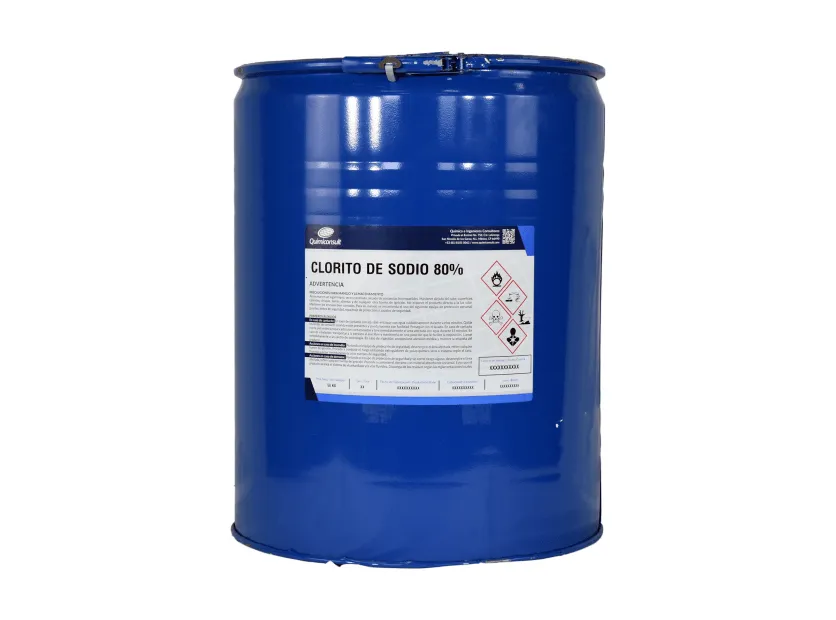
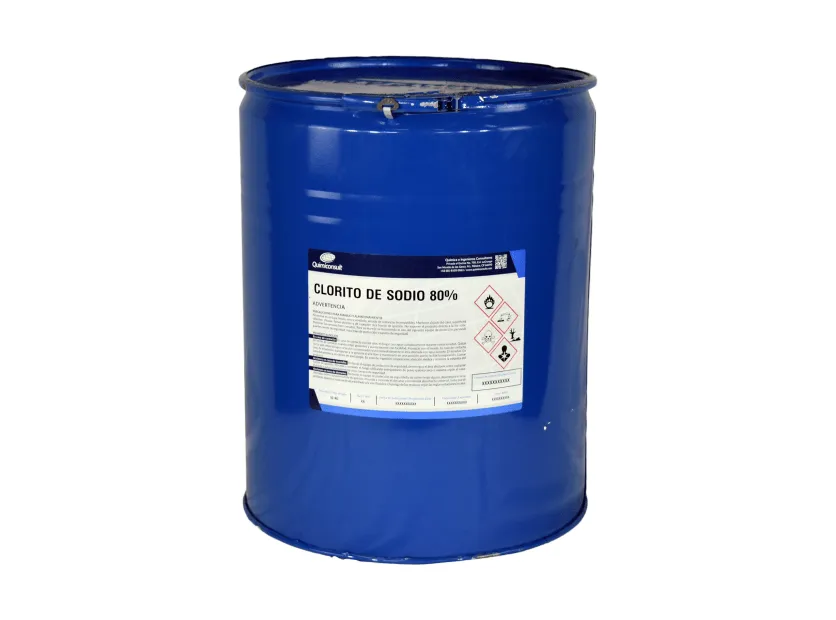
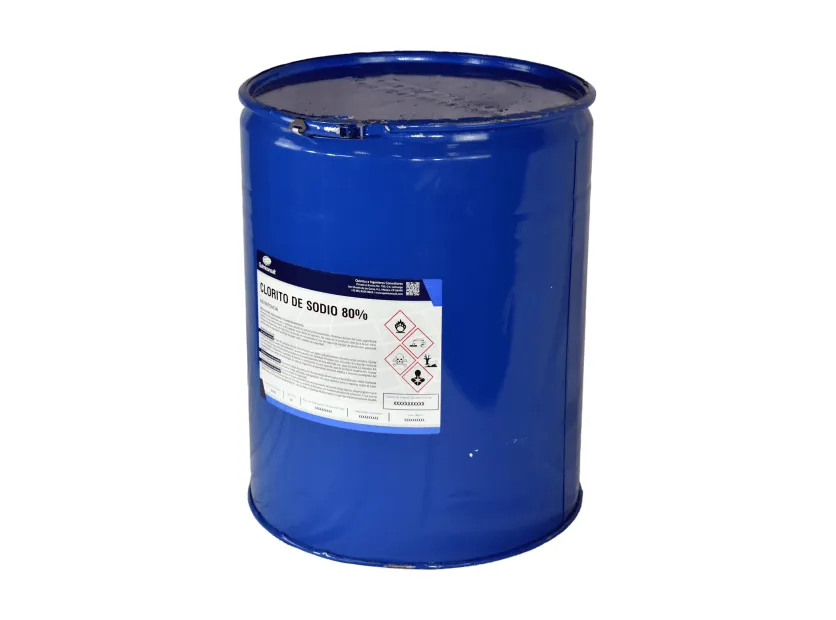
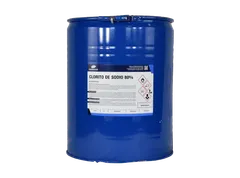
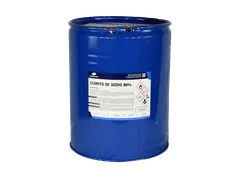
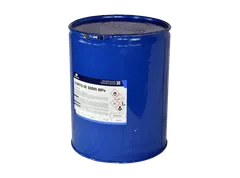
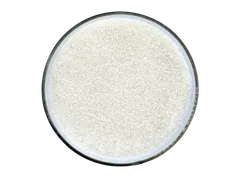
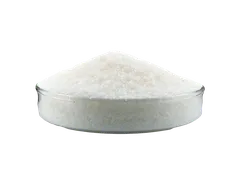
SODIUM CHLORITE 80% OXIDIZING DISINFECTANT INDUSTRIAL GRADE
View All Prices
| Quantity | Unit Price |
|---|---|
| kg | |
| 1 - 99 | USD 3.56 |
| 100 - 199 | USD 3.50 |
| 200 - 499 | USD 3.44 |
| 500 - 999 | USD 3.39 |
| 1000 - 4999 | USD 3.33 |
| 5000 - 9999 | USD 3.28 |
| 10000 - 17999 | USD 3.23 |
| 18000+ | USD 3.18 |
We'll send you a single e-mail as soon as it's back in stock. No spam.
Sodium Chlorite 80% — High-Purity Concentrated Oxidizing Powder
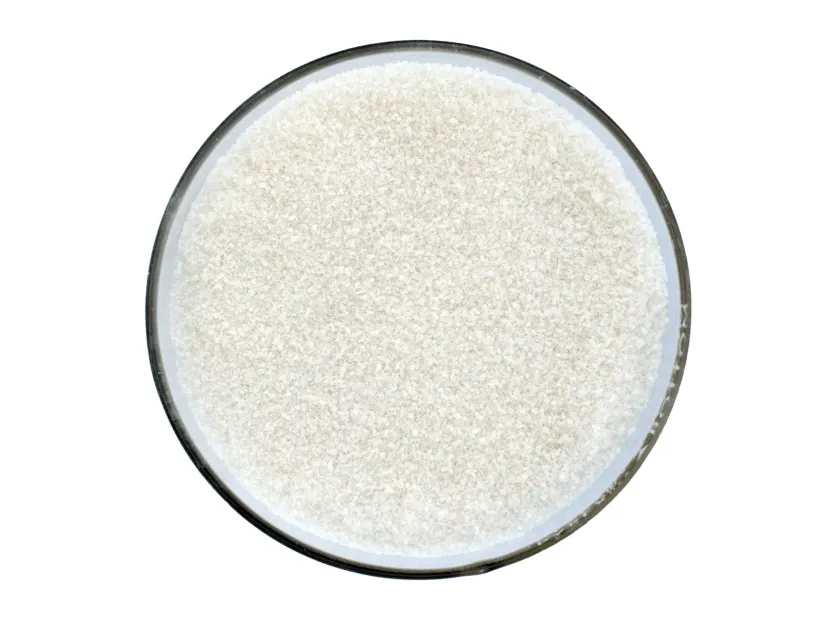
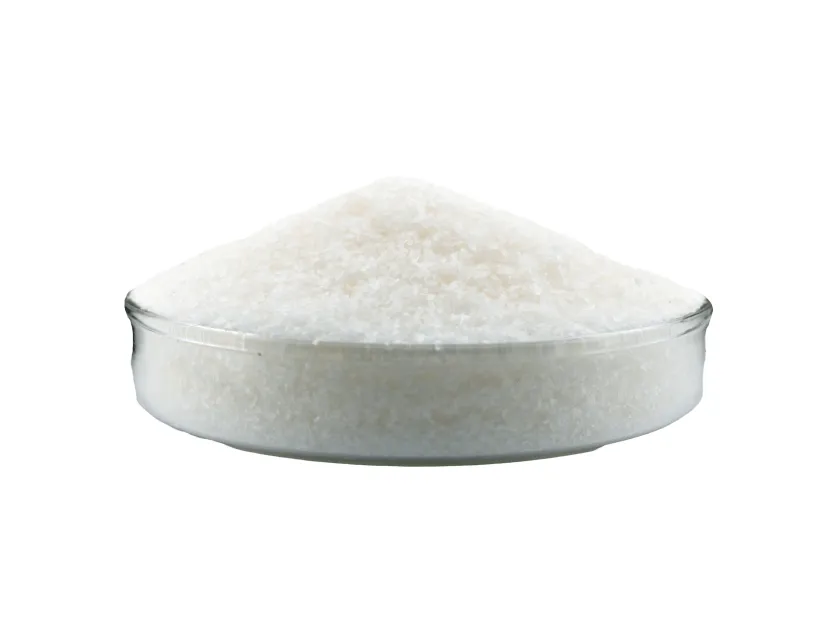
At Quimiconsult we offer Sodium Chlorite 80% as a high-purity concentrated powder, widely recognized worldwide as one of the most effective and economical oxidizing and bleaching agents available to industry. It is supplied as a slightly amber to yellowish crystalline powder, with a characteristic faint chlorine odor, completely soluble in water, with a minimum concentration of 80% sodium chlorite (NaClO₂) and controlled contents of sodium chloride (11.0–19.0%), sodium hydroxide (maximum 3.0%) and water (maximum 6.0%), parameters that guarantee both the oxidizing strength and the chemical purity required for critical industrial applications. Its CAS number is 7758-19-2.
Sodium chlorite powder is a strong industrial oxidizing agent widely used as a selective bleach, as an oxidizing agent in controlled chemical processes, and as a specialty input in the paper, textile, industrial water treatment and advanced chemical process industries. The 80% concentrated powder form offers significant operational advantages over lower-concentration liquid solutions: greater chemical stability during prolonged storage, lower logistics volume and transport cost per unit of active, flexibility to prepare solutions at the concentration required by each application, and an extended shelf life when stored correctly under controlled conditions.
At Quimiconsult, located in San Nicolás de los Garza, Nuevo León, we distribute industrial grade Sodium Chlorite 80% powder with nationwide coverage, professional technical support, certificates of analysis for each lot, and a technical data sheet (TDS) and safety data sheet (SDS) kept up to date in accordance with NOM-018-STPS-2015 and the Globally Harmonized System (GHS), exclusively for professional industrial use by trained personnel in the paper, textile, industrial water treatment and specialty chemical process industries.
Important — Strictly Industrial Use of Sodium Chlorite Powder
Before describing the applications, it is essential to establish that the Sodium Chlorite 80% powder we sell is an industrial chemical product for exclusively professional use. It is not intended, formulated or authorized for, and cannot be safely used for, human consumption, ingestion, application to the body, self-medication, alternative therapies or the preparation of solutions for internal or external personal use. Ingesting sodium chlorite or solutions prepared from it causes severe chemical burns of the gastrointestinal tract and swelling of the epiglottis, and could cause shock, as formally documented in its Safety Data Sheet. International health authorities such as the FDA, EMA, COFEPRIS and WHO have issued formal warnings and express prohibitions against the use of sodium chlorite or its derivatives as health "treatments", therapeutic products, supplements or any application directed at the human body. The applications described below refer solely to industrial, commercial and professional treatment processes carried out by qualified technicians with appropriate personal protective equipment and under controlled chemical protocols.
Technical Specifications and Physicochemical Properties of Sodium Chlorite 80% Powder
The Sodium Chlorite 80% powder we sell at Quimiconsult meets rigorous specifications verified by a Certificate of Analysis (CoA) for each lot, guaranteeing consistent active concentration and oxidizing performance in every delivery. Chemically it is identified as NaClO₂ (sodium chlorite), CAS number 7758-19-2, molecular weight 90.44 g/mol, and it is the sodium salt of chlorous acid. Its ionic structure gives it strongly oxidizing properties (high redox potential), high water solubility (approximately 39 g/100 mL at 17 °C, increasing with temperature), adequate chemical stability under dry, light-controlled conditions, and controlled reactivity that allows its use in industrial bleaching and selective oxidation processes.
In organoleptic and physical terms, the product is a slightly amber to yellowish concentrated powder, with a characteristic faint chlorine odor, completely soluble in water, forming yellowish solutions that are stable if stored correctly under controlled conditions. Its typical certified composition includes a minimum of 80% sodium chlorite (NaClO₂) as the active ingredient, between 11.0 and 19.0% sodium chloride (NaCl) as a by-product inherent to the manufacturing process, a maximum of 3.0% sodium hydroxide (NaOH), which acts as a residual stabilizer by keeping the pH alkaline and prolonging chemical stability, and a maximum of 6.0% water, the global standard configuration for industrial grade sodium chlorite powder.
The most relevant functional properties for industry include its strong oxidizing capacity, with sufficient redox potential to react with reduced organic and inorganic compounds in bleaching and controlled oxidation processes; its selectivity, which allows it to break down pigments, lignin, natural impurities and chromophore compounds without significantly affecting the main fibers or substrates in textile and paper processes; its exceptional chemical stability under dry, light-protected conditions, with a shelf life of 24-36 months in the closed original container; and its biodegradability through decomposition, without persistent bioactive accumulation in the environment.
In terms of stability and reactivity, it is critical to note that sodium chlorite powder is an oxidizer that can react dangerously with combustible materials, acids, reducing agents, hypochlorites, organic solvents, organic matter in general, paint products, vinegar, beverages, pine oils, sulfur-containing rubber and practically any uncontrolled foreign material. The dry powder can ignite on contact with combustibles, and thermal decomposition must be avoided by keeping storage below 100 °C, away from heat, flames, sparks and exposure to sunlight or ultraviolet light. All handling must be carried out under controlled chemical protocols by trained personnel in adequately ventilated areas.
Synonyms, Chemical Names and Search Terms Related to Sodium Chlorite Powder
In the industrial, chemical and water treatment markets, Sodium Chlorite powder is known by multiple names and synonyms depending on the region, application, manufacturer and product format. The most widely used terms include sodium chlorite (the dominant name in international technical literature; clorito de sodio in Spanish), NaClO₂ (chemical formula), sodium salt of chlorous acid, sodium dioxochlorate(III), clorito sódico, sodio clorito and, industrially, frequently chlorite powder, technical grade sodium chlorite or industrial grade sodium chlorite depending on the specific form. In technical applications it is associated with terms such as industrial oxidizing agent, selective industrial bleach, bleach agent, oxidizing agent and textile and paper bleaching activator.
Likewise, in purchasing, procurement, formulation and operations it is common to see searches such as sodium chlorite price, buy sodium chlorite, sodium chlorite Mexico, sodium chlorite 80, sodium chlorite powder, sodium chlorite powder price, what is sodium chlorite used for in industry, sodium chlorite for paper, sodium chlorite for textiles, sodium chlorite bleaching, NaClO2 80, sodium chlorite 80 powder, concentrated sodium chlorite, industrial grade sodium chlorite, sodium chlorite supplier Mexico, sodium chlorite Monterrey. These variations are especially relevant for purchasing managers, chemical engineers, industrial water treatment plant operators, and bleaching technicians in the paper and textile industries, and other professionals who need to identify the exact grade and form for their specific applications.
Industrial Applications of Sodium Chlorite 80% Powder
Sodium Chlorite 80% is one of the most versatile industrial oxidizers and bleaches, with applications extending across multiple specialized industrial sectors. The main fields of application are described below.
Pulp and Paper Industry
The pulp and paper industry has historically been one of the world's largest consumers of sodium chlorite, where it is used as a selective bleaching agent for wood pulp. Sodium chlorite selectively bleaches residual lignin without degrading cellulose fibers, producing papers with high whiteness, brightness and mechanical strength with lower environmental impact than traditional elemental chlorine bleaching. This application helps meet international environmental regulations on paper mill discharges by significantly reducing the generation of adsorbable organic halogen compounds (AOX) and dioxins in effluents. It is also used for bleaching specialty papers (writing paper, tissue paper, white packaging board) and in paper recycling to remove residual inks and restore the whiteness of secondary fibers during paper recovery processes.
Textile Industry and Fiber Bleaching
In the textile industry, sodium chlorite is used as a selective bleaching agent for cellulosic fibers such as cotton, linen, ramie, viscose and blends, where it provides uniform whiteness, high removal of natural impurities (motes, waxes, seeds, plant pigments) and preservation of fiber mechanical strength. Sodium chlorite bleaching is typically carried out in an acidic medium (pH 3.5-4.0) at temperatures of 70-95 °C, with activators such as formic acid or acetic acid and stabilizers such as sodium nitrate to control the oxidative process during bleaching. It is preferred over hydrogen peroxide bleaching when greater whiteness, better removal of natural pigments and compatibility with delicate fibers that would be damaged by strong alkaline agents are required. It is also used for bleaching specific synthetic fibers such as polyacrylonitrile and polyamide, in textile finishing processes that require controlled oxidation of impurities or residual dyes, and for stripping defectively dyed fabrics during color correction operations.
Industrial Water Treatment
In industrial water treatment plants, sodium chlorite is used in specialized controlled chemical oxidation processes for treating process water, cooling tower systems, closed water loops and industrial wastewater with specific pollutant loads that require selective oxidation. In industrial wastewater systems it is applied in specialized processes for oxidizing odorous compounds such as sulfides and mercaptans, reducing the organic load ahead of downstream processes, and removing phenolic compounds, cyanides and other persistent pollutants that conventional processes do not treat effectively. In process water treatment for the pharmaceutical, electronics, automotive and beverage industries it helps achieve demanding water quality specifications for sensitive industrial processes. Its use in these systems is always carried out under water treatment engineering protocols designed by specialists and with continuous analytical monitoring.
Oil Industry and Process Water Treatment
In the oil and natural gas industry, sodium chlorite is used as a specialty oxidizing agent in injection water, drilling muds and process fluid systems, particularly for sulfide oxidation, removal of hydrogen sulfide (H₂S) and control of sulfur compounds that cause corrosion and operational problems in facilities. It is also applied in desulfurization of process streams and treatment of produced water prior to disposal or reinjection. At oil storage and logistics terminals, it takes part in specialized chemical treatment programs for tanks and loading systems.
Leather Industry
In the leather industry, sodium chlorite is used as a bleaching and stain-removal agent on hides during processing, particularly in bleaching hides for high-whiteness finishes, removing natural stains and unwanted pigments, and preparing substrates for subsequent dyeing where color uniformity is required. Its selective oxidizing action removes impurities without significantly affecting the protein structure of the leather.
Electronics Industry and Ultrapure Water
In the electronics and semiconductor industry, sodium chlorite is used in ultrapure water treatment within specialized purification systems that require controlled oxidation of trace impurities, as well as in cleaning processes for metal and technical ceramic surfaces where selective removal of oxides and organic contaminants without damaging the substrate is required.
Chemical Laboratories and Industrial Synthesis
In chemical, industrial and research laboratories, sodium chlorite is used as a specialty oxidizing reagent in selective organic synthesis, particularly in Lindgren-Pinnick oxidations (oxidation of aldehydes to carboxylic acids), oxidation of alcohols to carbonyl compounds under mild conditions, and other chemical transformations that require an oxidizer of controlled strength that does not affect sensitive functional groups. It is also used as an input in the manufacture of concentrated industrial bleaching formulations for formulators specializing in industrial chemicals.
Other Industrial Applications
Sodium chlorite powder is also used in the recycled pulp and paper industry for deinking and whiteness restoration operations, in the manufacture of specialty chemicals as an intermediate or reagent in controlled syntheses, in odor treatment at industrial plants through specialized chemical processes for neutralizing malodorous compounds (mercaptans, sulfides, amines), in professional commercial aquaculture under strict veterinary protocols for specific treatments calculated by responsible veterinarians or aquaculture engineers, and in specialized mining operations for selective oxidation processes in mineral processing and treatment of water associated with mining activity.
Features and Competitive Advantages of Sodium Chlorite 80% Powder
The preference for 80% sodium chlorite powder over other (liquid) forms or over other oxidizing and bleaching agents rests on a combination of technical, logistical and economic properties that make it the standard choice for multiple industries. The high 80% concentration maximizes active content per unit of weight, significantly reducing transport, storage and logistics costs compared with liquid solutions, which typically contain 20-31% NaClO₂ and carry 70-80% water. The prolonged chemical stability of the powder product (24-36 months in the closed original container under proper conditions) far exceeds the stability of liquid solutions, which can degrade within a few months through exposure to light, heat or contamination.
The operational flexibility of the concentrated powder makes it possible to prepare solutions at the exact concentration required by each application, optimizing dosing and reducing waste. The oxidizing selectivity of sodium chlorite offers critical advantages in bleaching processes: selective action on pigments, lignin and chromophore compounds without degrading the main fibers or substrates, compatibility with delicate fibers that would be damaged by strong alkaline agents, less formation of undesirable by-products compared with traditional elemental chlorine, and bleaching results with greater whiteness and uniformity.
Other relevant advantages include its compatibility with standard industrial construction materials (316L stainless steel, PVC and PVDF plastics, polyethylene, Viton) at use concentrations, its biodegradability through decomposition without bioactive accumulation in the environment, its broad regulatory backing for industrial applications (EPA, FDA in specific applications, international regulations for the paper and textile industries, Mexican regulations for industrial water treatment), and its stable global availability as a widely traded chemical input for professional industrial use.
Sodium Chlorite vs. Other Industrial Oxidizers and Bleaches: Which to Choose?
A frequent question among formulators and industrial operators is the choice between sodium chlorite and other available industrial oxidizing or bleaching alternatives. The main comparisons are:
Sodium Chlorite vs. Sodium Hypochlorite (chlorine): Hypochlorite is cheaper but less selective, forms regulated chlorinated by-products, is harsher on delicate fibers, works in a limited pH range and generates more AOX in industrial effluents. Sodium chlorite offers more selective bleaching, greater fiber compatibility and a better environmental profile, albeit at a higher operating cost and technical complexity.
Sodium Chlorite vs. Hydrogen Peroxide (H₂O₂): Peroxide is safer to handle and breaks down into water and oxygen, but requires a strongly alkaline medium to activate effectively (which can damage certain fibers), has slower action and lower final whiteness in applications that require deep removal of natural pigments. Sodium chlorite works in an acidic medium (gentler on many fibers) and produces greater whiteness.
Sodium Chlorite vs. Chlorine Gas (Cl₂) in paper bleaching: Elemental chlorine costs less but generates high levels of AOX, dioxins and organochlorine compounds strictly regulated by international environmental standards. Sodium chlorite (ECF - Elemental Chlorine Free processes) significantly reduces the generation of these compounds, complying with modern paper mill discharge regulations.
Sodium Chlorite vs. Ozone (O₃): Ozone has very high oxidizing power and breaks down into oxygen, but has no residual persistence, requires on-site generation with expensive equipment, is highly toxic when inhaled and is not practical for batch textile or paper bleaching processes. Sodium chlorite is easy to store and is used on demand with conventional chemical infrastructure.
Sodium Chlorite 80% powder vs. Sodium Chlorite Solution (liquid, 20-31%): The concentrated powder offers more active content per kilogram, lower transport and storage costs, prolonged chemical stability and preparation flexibility, while the liquid solution offers simpler handling in direct dosing operations and lower risk of inhalable dust. The choice depends on consumption volume, available infrastructure and each plant's operating preferences.
Compatibility and Incompatibilities of Sodium Chlorite
Sodium chlorite is compatible with: deionized water or good-quality process water, certain resistant plastics (PVC, PVDF, high-density polyethylene, reinforced polypropylene), 316L stainless steel under controlled conditions, Viton and fluorinated elastomers, and equipment designed specifically for handling chlorinated oxidizers.
It is incompatible with, and must be kept strictly separate from: uncontrolled acids, reducing agents (sulfites, thiosulfates, peroxides in mixtures), combustible and organic materials (wood, paper, textiles, oils, greases, solvents), hypochlorites and other oxidizers mixed without a protocol, organic matter in general (including food residues, beverages, vinegar), paint products and solvents, pine oils and essential oils, sulfur-containing rubber, aluminum, copper and reactive metals in the presence of moisture or alkaline pH, and any foreign material or material of unknown origin.
Critical practical implication: never allow direct contact between the dry powder and combustible materials. Storage and handling areas must have strict physical separation from these materials, clean, non-porous surfaces, dedicated utensils used exclusively for sodium chlorite, and handling protocols that prevent cross-contamination during weighing, dosing or internal transport.
Storage, Package Sizes and Shelf Life of Sodium Chlorite 80% Powder
Sodium Chlorite 80% powder is offered in package sizes suited to different scales of industrial consumption, from specialized laboratory applications to large-scale industrial production. To ensure product integrity and performance, store it in its tightly closed, clearly labeled original container, in a cool, dry, well-ventilated place, with the temperature controlled below 100 °C (ideally between 15 and 30 °C), away from heat sources, flames, sparks, direct sunlight, ultraviolet light and incompatible materials.
The product must be kept physically separate from acids, combustible materials, oxidizers, organic solvents, paint products and any foreign material. Never add the product to dispensing devices that contain residues of other chemicals, as cross-contamination can cause dangerous reactions. Handling utensils must be clean and used exclusively for sodium chlorite. The shelf life of the product under these conditions is approximately 24 to 36 months from the date of manufacture, with periodic checks of pH, color and active concentration for lots stored for long periods. Handling personnel must be trained in the specific hazards of the product and in emergency response.
Safety, Handling and Regulatory Considerations
Sodium Chlorite 80% is classified under the Globally Harmonized System (GHS) and NOM-018-STPS-2015 in the following hazard categories:
Acute oral toxicity: Category 4 (H302 – Harmful if swallowed). Skin corrosion / irritation: Category 2 (H315 – Causes skin irritation). Serious eye damage / eye irritation: Category 2A (H319 – Causes serious eye irritation). Specific target organ toxicity (single exposure): H335 – May cause respiratory irritation.
GHS pictograms: oxidizer (flame over circle), corrosion, skull and crossbones, health hazard, environment. Signal word: DANGER. NFPA information: Health 3, Flammability 1, Reactivity 1.
The personal protective equipment (PPE) required during industrial handling includes safety glasses and a face shield to prevent eye contact and dust projection, long-cuff neoprene gloves resistant to chlorinated oxidizers, an apron, chemical suit and neoprene boots for full body protection when handling significant quantities, and a NIOSH-approved respirator with N95 filters (dust, fume, mist) when airborne dust is generated or volumes exceeding occupational exposure limits are handled. The occupational exposure limits are a TWA (VLA-ED) of 0.1 ppm (0.28 mg/m³) and an STEL (VLA-EC) of 0.3 ppm (0.84 mg/m³), so work areas must have adequate ventilation and air quality monitoring.
First aid according to the SDS: If swallowed, DO NOT induce vomiting, give water and call a doctor immediately; if vomiting occurs spontaneously, keep the airway clear. In case of skin contact, rinse immediately with plenty of water, remove contaminated clothing and shoes, clean and dry clothing completely before reuse, and seek medical attention if irritation occurs. In case of eye contact, rinse immediately with plenty of water for at least 15 minutes, holding the eyelids away from the eyeball, remove contact lenses, and see a doctor or ophthalmologist immediately (eye injuries can include permanent damage and blindness). If inhaled, move the affected person to fresh air; if breathing has stopped or is irregular, trained personnel should provide artificial respiration or oxygen; get medical attention immediately.
Transport information: UN number UN 1908, proper shipping name "Chlorite in salts" ("Clorito en sales"), hazard class 8 (corrosive), packing group II.
Environmental aspects: the product is toxic to aquatic life but biodegradable through decomposition and not bioaccumulative. Direct discharge to drains, surface water or groundwater and soil must be avoided. Empty containers and residual product must be disposed of through companies authorized to handle hazardous waste in accordance with current legislation. In case of a spill, remove ignition sources and combustible materials from the area, wear full body and respiratory protection (long-cuff neoprene gloves and boots), absorb the spilled material with non-flammable commercial absorbents (vermiculite, sand, diatomaceous earth), keep the collected material wet (dry material can ignite on contact with combustibles), place it in closed, labeled drums for immediate disposal as hazardous waste, avoid mixing it with other chemicals or waste during cleanup, and keep the area isolated until safe disposal is complete.
Firefighting measures: use water curtains to absorb gases or smoke and to cool. DO NOT USE carbon dioxide (CO₂) or foam, as they can cause dangerous reactions. Firefighting personnel must wear full protective clothing with a self-contained breathing apparatus (SCBA).
Certifications and Regulatory Compliance
The Sodium Chlorite 80% powder we distribute meets the main standards applicable to specialty industrial chemicals, including compliance with NOM-018-STPS-2015, the Globally Harmonized System (GHS), and technical specifications for industrial applications in paper bleaching, textile bleaching, industrial water treatment and chemical processes. In addition, lots are accompanied by a specific Certificate of Analysis (CoA) documenting the lot's critical parameters: sodium chlorite (NaClO₂) concentration, sodium chloride (NaCl) content, sodium hydroxide (NaOH) content, water content, color and appearance. Where applicable, we offer supplementary documentation for compliance with the specific regulations of each end-use industry, declarations of compliance with ECF bleaching standards for the paper industry, and technical support for implementing industrial processes.
Formulators, plant engineers, and quality and regulatory teams can request supplementary technical documentation such as the technical data sheet (TDS), safety data sheet (SDS), declaration of origin, detailed specifications, analytical methods and technical support for their operational and quality files.
Frequently Asked Questions about Sodium Chlorite 80% Powder
What is sodium chlorite and what is it used for in industry?
Sodium chlorite (NaClO₂) is an oxidizing chemical compound widely used in industry as a selective bleaching agent and oxidizer in controlled chemical processes. It is used for bleaching paper pulp and cellulose, bleaching textile fibers (cotton, linen, viscose), specialized industrial water treatment, chemical oxidation in industrial processes, leather bleaching, electronics industry and ultrapure water processes, selective organic synthesis in chemical laboratories, and specialized applications in the oil and mining industries. It is a product for exclusively industrial use that requires trained personnel and appropriate protective equipment.
Can sodium chlorite be used for human consumption or medical treatments?
No, absolutely not. Sodium chlorite is an industrial chemical product that is NOT authorized or formulated for, and cannot be safely used for, human consumption, ingestion, application to the body, self-medication or any health treatment. Ingesting it causes severe chemical burns of the gastrointestinal tract and swelling of the epiglottis, and could cause shock. International health authorities (FDA, EMA, COFEPRIS, WHO) have issued formal warnings and express prohibitions against the use of sodium chlorite or its derivatives as health treatments or "miracle solutions". The product we sell at Quimiconsult is exclusively for professional industrial use in the paper, textile, industrial water treatment and chemical process industries.
Why is sodium chlorite preferred for bleaching paper and textiles?
Sodium chlorite is preferred in industrial bleaching because it offers selective action on pigments, lignin and chromophore compounds without significantly degrading the main fibers or substrates. In the paper industry it achieves high whiteness with lower generation of AOX and dioxins in effluents (ECF - Elemental Chlorine Free processes), complying with modern environmental regulations. In the textile industry it works in an acidic medium (pH 3.5-4.0) at moderate temperatures, being compatible with delicate fibers that would be damaged by strong alkaline agents, and it provides greater final whiteness than hydrogen peroxide bleaching.
Why sodium chlorite powder rather than the liquid solution?
The 80% concentrated powder form offers several advantages over liquid solutions (typically 20-31%): more active content per kilogram (which reduces transport and storage costs), prolonged chemical stability (24-36 months vs. a few months for the liquid solution), flexibility to prepare solutions at the exact concentration required by each application, and lower logistics volume for supplying high-consumption plants. The liquid solution offers simpler handling in direct dosing operations, but at the cost of greater volume, weight and logistics cost per unit of active.
What are the critical precautions when handling sodium chlorite powder?
Critical precautions include: keep away from acids, keep away from combustible materials (paper, wood, textiles, oils), keep away from reducing agents and mixed oxidizers, store below 100 °C away from heat, flames and sparks, protect from sunlight and ultraviolet light, use clean, dedicated utensils used exclusively for this product, never add to devices containing residues of other products, wear full PPE (glasses, face shield, neoprene gloves, apron, chemical suit, boots), work in well-ventilated areas with air quality monitoring, and keep spilled material wet during cleanup, since the dry powder can ignite on contact with combustibles.
How long can sodium chlorite powder be stored?
In its tightly closed original container, stored in a cool (15-30 °C), dry, well-ventilated place, away from direct sunlight, ultraviolet light and incompatible materials, sodium chlorite 80% powder has a shelf life of 24 to 36 months from the date of manufacture. For lots stored for long periods, we recommend periodically checking active concentration, color and general characteristics before use. Once opened, keep the container tightly closed and preferably use it within a reasonable period. Prepared solutions have a much shorter shelf life (days to weeks depending on conditions), so we recommend preparing working solutions according to consumption.
Is sodium chlorite safe for the environment?
Sodium chlorite is toxic to aquatic life in its concentrated form and at high concentrations, so direct discharge must be avoided to drains, water bodies or soil. However, it is biodegradable through decomposition (it eventually turns into sodium chloride, which is environmentally harmless) and not bioaccumulative. Discharges from industrial processes that use sodium chlorite must be routed to suitable wastewater treatment systems for neutralization before final disposal. Empty containers and residual product are disposed of through companies authorized to handle hazardous waste.
What is the difference between sodium chlorite and other industrial oxidizers such as hypochlorite?
Sodium chlorite differs from other industrial oxidizers in its selectivity and environmental profile. Sodium hypochlorite is cheaper but less selective, harsher on delicate fibers and generates more regulated chlorinated by-products (AOX, dioxins). Hydrogen peroxide requires a strongly alkaline medium and acts more slowly. Ozone requires on-site generation with expensive equipment and has no persistence. Sodium chlorite offers an optimal balance of selectivity, oxidizing efficacy, compatibility with sensitive substrates and a favorable environmental profile, making it the preferred option in premium industrial bleaching applications and controlled oxidation processes.
Where can I buy Sodium Chlorite 80% powder in Mexico, and at what price?
At Quimiconsult we distribute Sodium Chlorite 80% powder with immediate availability from our warehouse in San Nicolás de los Garza, Nuevo León, serving industrial customers throughout Mexico. We provide complete technical documentation (CoA, TDS, SDS, declarations of origin). The price of sodium chlorite 80% depends on volume, package size and end application. Request a personalized quote stating the estimated volume, industrial sector of application and required specifications through our website or by phone at +52 (81) 8105 0063. The product is sold exclusively for professional industrial use, and confirmation of the industrial end use is required at the time of quotation.
What should I do in case of a sodium chlorite powder spill?
In case of a spill: remove ignition sources and remove combustible materials from the area immediately, avoid direct contact with the product, wear full PPE (long-cuff neoprene gloves, neoprene boots, chemical suit, glasses, approved respirator), absorb with non-flammable materials (vermiculite, sand, diatomaceous earth), keep the collected material wet throughout the operation (dry powder can ignite on contact with combustibles), place it in closed, labeled drums for disposal as hazardous waste, do not mix with other chemicals or waste, ventilate the area thoroughly, wash the affected area with plenty of water once the product has been removed, avoid discharges to drains or water bodies, and dispose of the waste through an authorized hazardous waste management company. Personnel involved in the cleanup must be trained and have access to chemical emergency response equipment.
Request Your Sodium Chlorite 80% Powder Quote
Does your company, paper mill, textile plant, industrial water treatment plant, specialty chemical operation, industrial oxidative process facility or industry that requires a high-purity industrial oxidizing and bleaching agent for professional use need to incorporate industrial grade Sodium Chlorite 80% powder into its processes? Contact us and we will gladly analyze your specific application, recommend the right package size and reference technical doses, and offer you a comprehensive solution that includes complete technical documentation, certifications, implementation technical advice and timely delivery anywhere in Mexico. The product is sold exclusively for professional industrial use by trained personnel.
Related Products and Categories
Complement your industrial bleaching, chemical oxidation and water treatment operations with other specialty products from our catalog:
Hydrogen Peroxide — alternative oxidizer for bleaching in alkaline media
Glutaraldehyde 50% — high-level biocide for sterilization and hospital disinfection
Peracetic Acid — broad-spectrum oxidizing disinfectant
Benzalkonium Chloride 50% — broad-spectrum quaternary disinfectant
Category: Supplies for the Pulp and Paper Industry
Category: Supplies for the Textile Industry
Category: Industrial Water Treatment
Category: Industrial Chemical Reagents