Spanish
 English


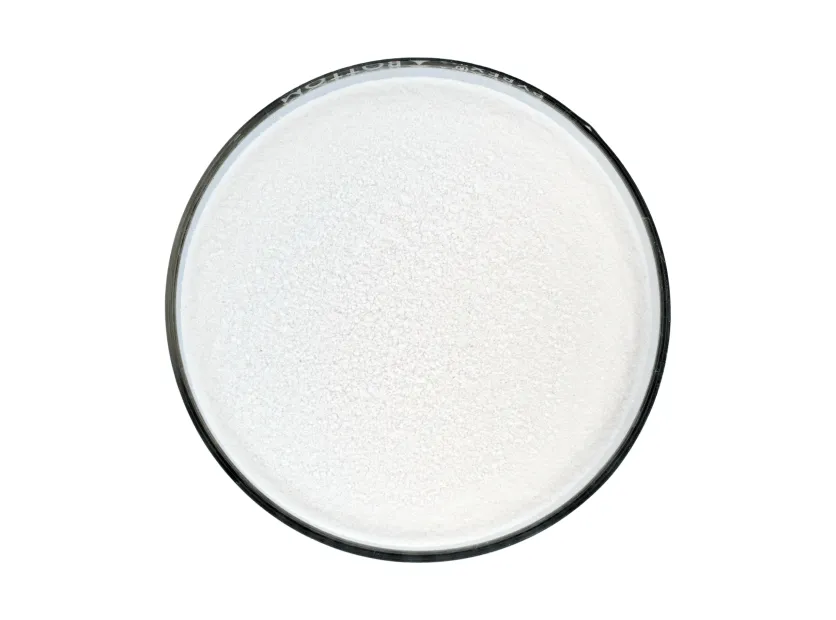
SILICON DIOXIDE ANTI-CAKING AGENT FOOD GRADE
View All Prices
| Quantity | Unit Price |
|---|---|
| kg | |
| 1 - 99 | USD 3.77 |
| 100 - 199 | USD 3.75 |
| 200 - 499 | USD 3.69 |
| 500 - 999 | USD 3.64 |
| 1000 - 4999 | USD 3.59 |
| 5000 - 9999 | USD 3.55 |
| 10000 - 17999 | USD 3.50 |
| 18000+ | USD 3.46 |
Product description, Silicon Dioxide high-purity fumed silica
At Quimiconsult we distribute Silicon Dioxide, a high-performance specialty chemical also known as colloidal silica, synthetic amorphous silica, fumed silica or silica fume, with the chemical formula SiO₂ and CAS number 7631-86-9. It is an ultrafine, odorless, chemically inert and non-toxic white powder, with a minimum SiO₂ purity above 99.80%, a BET specific surface area of 180 to 220 m²/g and an extremely low bulk density of approximately 50 g/L. These structural properties, derived from the nanometric size of its primary particles and the three-dimensional structure of its open aggregates, are responsible for the product's exceptional performance as an anti-caking agent, powder flow aid, rheology control agent, thickener, thixotropic agent, moisture adsorbent and mechanical reinforcement in a wide variety of industrial systems.
Silicon Dioxide stands out as one of the most versatile multifunctional additives in the modern chemical industry. Thanks to the enormous specific surface area of its particles (180-220 m²/g, several orders of magnitude higher than any conventional powder), a small amount of product can drastically modify the physical properties of liquid, paste and powder systems. In powders, it coats the individual particles and creates a low-friction layer that prevents direct contact between them, eliminating caking, improving flowability, making container filling easier and extending product shelf life by absorbing ambient moisture before it reaches the matrix of the active ingredient. In liquid systems, it forms reversible three-dimensional networks through hydrogen bonding between the silanol groups (Si-OH) on the surface of its particles, producing the thixotropic effect that is critical in paints, inks, adhesives, sealants, cosmetics and pharmaceutical formulations.
Unlike precipitated silica (obtained through wet processes, with a larger particle size and lower specific surface area), the Silicon Dioxide we distribute is high-purity fumed silica, obtained by vapor-phase hydrolysis of silicon tetrachloride in a hydrogen flame, a process that generates spherical nanometric primary particles (7-40 nm) with extremely clean and reactive surfaces. This synthesis route ensures SiO₂ purity above 99.80%, moisture content below 1.50%, pH between 3.5 and 4.5 in a 4% suspension, freedom from heavy metals, food and pharmaceutical compatibility according to specific grades, and absolute lot-to-lot consistency, attributes that are critical for demanding formulators in the food, pharmaceutical, cosmetics, paint, adhesives, silicone rubber and industrial coatings industries.
Silicon Dioxide is used across a wide range of industries, including food (E-551 as an anti-caking agent), pharmaceuticals, cosmetics (mattifying and viscosity agent), paints and inks (thixotropy and anti-settling), silicone rubber (mechanical reinforcement), adhesives and sealants, industrial coatings, toners and printing materials, fertilizers, agrochemicals, powdered detergents, animal feed, batteries and energy storage, and various technical applications where precise control of flow properties, rheology, moisture and texture is decisive for the quality of the final product. For those looking for silicon dioxide price, where to buy fumed silica, E-551 anti-caking agent or food grade silicon dioxide, Quimiconsult offers a certified product with technical support, certificates of analysis for every lot and an efficient supply chain. Silicon Dioxide is available in Monterrey, Nuevo León, with shipping throughout Mexico.
Silicon Dioxide details and properties
The Silicon Dioxide we distribute meets strict purity, specific surface area and consistency parameters that make it comparable to international reference products. Technical specifications include a minimum SiO₂ purity above 99.80% by weight, a BET specific surface area of 180 to 220 m²/g, an approximate bulk density of 50 g/L, maximum moisture of 1.50% and a pH between 3.5 and 4.5 in a 4% suspension, all parameters validated by standard ISO and ASTM analytical methods and the corresponding pharmacopeias when the pharmaceutical grade applies.
Our packaging is designed to suit the different consumption volumes of the industry: 10 kg and 15 kg bags (standard sizes because of the product's very low bulk density), 100 to 150 kg bulk bags and special lots according to customer requirements for operations with recurring consumption. Every lot comes with certificates of analysis and, depending on the grade, may be accompanied by Kosher, Halal, food grade, USP/NF pharmaceutical grade, cosmetic grade and REACH compliance certificates, extending its use to production lines that require complete regulatory documentation.
Physicochemical properties of Silicon Dioxide
Silicon Dioxide has physicochemical properties that explain its broad industrial applicability. It is an extremely fine white powder, with a primary particle size in the nanometric range (typically 7-40 nm depending on the grade), which forms open, three-dimensional, very low-density agglomerates. Its specific surface area of 180-220 m²/g means that a single gram of product exposes a surface area equivalent to more than a tennis court, a property that explains its capacity to adsorb moisture and liquids and to create reinforcing networks in polymer systems.
It is chemically inert, insoluble in water and most organic solvents, stable at temperatures up to 1,000°C, resistant to acids (except hydrofluoric acid), non-toxic, non-flammable and non-bioaccumulative. Its slightly acidic pH (3.5-4.5) in suspension is due to the presence of surface silanol groups (Si-OH), which are responsible for its controlled surface reactivity, its ability to form hydrogen bonds with other polar groups (particularly water) and the thickening and thixotropic properties characteristic of the product. It has a true density close to 2.2 g/cm³ but a bulk density of only ~50 g/L due to the highly porous and aerated structure of its agglomerates.
From a toxicological and safety standpoint, synthetic amorphous silicon dioxide (fumed or precipitated) is classified as non-toxic, non-irritating under typical exposures, non-carcinogenic and non-bioaccumulative, with a GRAS safety profile recognized by the FDA for food applications under code E-551, an official USP/NF monograph as Colloidal Silicon Dioxide for pharmaceutical applications, and approval in cosmetics under the INCI name Silica. It is important to distinguish it from crystalline silicon dioxide (quartz), which does pose respiratory risks and is classified as an IARC Group 1 carcinogen; the synthetic amorphous silica we distribute has no crystalline structure and does not pose those risks.
Benefits and characteristics of Silicon Dioxide
Benchmark anti-caking agent and powder flow aid
The main industrial use of Silicon Dioxide is as an anti-caking agent and powder flow aid, where it outperforms traditional alternatives such as calcium carbonate, magnesium silicate or tricalcium phosphate. Typically added at concentrations of 0.1% to 2.0% by weight of the powder being treated, silicon dioxide coats the individual particles of the host material, creating a nanometric layer that physically separates the particles from one another and prevents direct contact and the resulting agglomeration caused by van der Waals forces, capillarity or salt bridges. The result is a powder that flows freely even after prolonged storage, with less tendency to form lumps, clods or compact masses in bags, silos or containers.
In addition, the product's high specific surface area allows it to adsorb ambient moisture before it reaches the particles of the active material, protecting hygroscopic products such as salts, sugars, powdered spices, vitamins, flavorings, enzymes, nutritional premixes, fertilizers and pharmaceutical formulations. This moisture protection function significantly extends the shelf life of the final product, reduces returns due to caking and improves filling efficiency on automated packaging lines.
Rheology and thixotropy control in liquid systems
In liquid systems, pastes and resins, Silicon Dioxide acts as a thickening, thixotropic and anti-settling agent by forming reversible three-dimensional networks. The silanol groups on the particle surface form intermolecular hydrogen bonds that build a gel structure at rest, drastically increasing the apparent viscosity of the system. When shear stress is applied (stirring, brushing, pumping, spraying), this network breaks down temporarily, allowing easy flow; when the stress stops, the network quickly rebuilds, restoring the high initial viscosity. This thixotropic behavior is what allows, for example, a brushed-on paint not to run on vertical surfaces, an adhesive to stay in place until it cures, or a pharmaceutical suspension not to settle during storage.
Applications where this rheological control is critical include architectural and industrial paints (anti-sag), printing inks (dot and transfer control), structural adhesives and sealants (resistance to slumping under their own weight), polyester and epoxy resins (preventing fillers from settling during curing), agrochemical suspensions (keeping the active ingredient in suspension), cosmetics (creams, gels and masks with controlled rheology), personal care products, PVC plastisol and liquid pharmaceutical formulations where the physical stability of the system is decisive.
Mechanical reinforcement in silicone rubbers and elastomers
Fumed Silicon Dioxide is the benchmark mechanical reinforcement in the manufacture of HTV (High-Temperature Vulcanizing), RTV (Room-Temperature Vulcanizing) and LSR (Liquid Silicone Rubber) silicone rubbers and other specialty elastomers. When incorporated into the polymer matrix, the ultrafine silica particles interact with the polymer chains through hydrogen bonds and physical interactions, forming an in situ reinforcing network that multiplies several times over the tensile strength, tear strength, hardness, modulus of elasticity and abrasion resistance of the base rubber. Unlike carbon black (used in conventional rubbers), silicon dioxide makes it possible to produce transparent or any-color parts, which is essential in medical, food, optical and personal care applications where a white or transparent product is a requirement.
Moisture adsorbent and storage stabilizer
Thanks to its enormous specific surface area and high density of surface silanol groups, Silicon Dioxide works as an effective adsorbent of moisture and certain polar compounds, an application where it competes with and complements other desiccants such as silica gel, zeolites and molecular sieves. At low doses incorporated into a final product (0.5% to 2%), it acts as an internal moisture trap, protecting hydrolysis-sensitive actives, preventing unwanted reactions between hygroscopic ingredients and extending product shelf life under variable storage conditions. This function is particularly valuable in vitamin premixes, animal nutrition premixes, effervescent pharmaceuticals, powdered flavorings, spices, dehydrated foods and electronics.
Formulation aid in cosmetics and personal care
In cosmetic formulations, Silicon Dioxide (INCI: Silica) performs multiple functions that make it a frequent ingredient in premium products: mattifying agent in foundations and pressed powders (reduces facial shine by absorbing sebum), texture and slip modifier in creams and serums (provides a silky, pleasant feel), sebum and moisture absorbent in anti-shine products, rheology modifier in gels and emulsions, soft-focus optical diffuser that blurs visible skin imperfections, emulsion stabilizer and anti-caking agent in powder eyeshadows and blushes. It is compatible with all cosmetic systems (aqueous, anhydrous, O/W and W/O emulsions, silicones) and provides a sensory feel highly valued in mid- and high-end products.
Applications of Silicon Dioxide by industry
Food industry, E-551 anti-caking agent
In the food industry, Silicon Dioxide is approved as a food additive under code E-551 by the European Union, classified as GRAS by the FDA under 21 CFR 172.480 and approved under Mexican regulations. It is used mainly as an anti-caking agent and flow aid at doses typically ranging from 0.2% to 2% by weight of the food. The main applications include:
Table salt and curing salts, where it prevents lumps from forming during prolonged storage, keeps the salt free-flowing for dispensing from shakers and preserves its characteristic crystalline appearance. Powdered sugar, confectioners' sugar and sweeteners, where it protects against ambient moisture and maintains a fluffy texture. Baking mixes, bakery premixes, prepared flours for pancakes, waffles, cakes and pizza bases, where it ensures uniform flow for mixing with liquids during preparation. Powdered spices and seasonings (cumin, cinnamon, paprika, garlic powder, onion powder, seasoning blends), where it prevents the caking typical of products with residual essential oils. Powdered broths, instant soups and concentrated bases, where it ensures rapid dispersion on rehydration. Powdered dairy, skim milk, whey, infant formulas and nutritional bases, where it maintains the flowability critical for dosing. Powdered confectionery, instant beverage mixes, flavored instant coffees, dessert mixes and dry fillings. Powdered dietary supplements, protein powders, collagens, dietary fibers and powdered functional beverages. Flavorings, encapsulated colors and powdered aromas, where it protects the active core and maintains shelf life.
Pharmaceutical industry, multifunctional USP/NF excipient
In the pharmaceutical industry, Colloidal Silicon Dioxide is one of the most important monograph excipients, with monographs in the USP/NF, EP, BP and JP and recognition as equivalent to reference products such as Aerosil® 200. It is used in virtually all solid and semi-solid dosage forms:
Tablets and capsules, where it acts as a glidant (improves the flow of the powder blend into the compression hoppers, increasing weight uniformity and production efficiency), anti-adherent (prevents the powder from sticking to the punches and dies of the tablet press), residual moisture absorbent (protects hydrolysis-sensitive actives) and disintegration aid in certain formulations. Oral powders and granules, where it ensures homogeneity during production and flowability for filling sachets or capsules. Oral and topical pharmaceutical suspensions, where it works as a viscosity and anti-settling agent, keeping the active ingredient in stable suspension throughout the product's shelf life. Dermatological creams, gels, pomades and ointments, where it acts as a thickener, rheology modifier and emulsion stabilizer. Modified-release dosage forms, where it helps control the dissolution of the active. Cosmeceuticals and dermopharmacy, in professional products with dermatological actives.
Cosmetics and personal care industry
In cosmetics, Silicon Dioxide is incorporated into a wide variety of products under the INCI name Silica, serving as a mattifier, texture modifier, sebum adsorbent, stabilizer and optical diffuser. Typical applications include liquid and compact foundations, mattifying powders, pressed powders, face primers, BB creams and CC creams, concealers and highlighters, eyeshadows and blushes, pencils and eyeliners, matte lipsticks, anti-aging creams, serums, face masks, sunscreens, aerosol and stick deodorants, toothpastes (polishing and anti-caking agent), hair products, anti-oil products and formulations for oily skin. The clean beauty and mineral cosmetics trend has significantly increased demand for silica as a natural, biocompatible mineral ingredient with excellent sensory performance.
Paints, inks, adhesives and coatings industry
In the paint industry, Silicon Dioxide is a high-value additive used to control rheology, prevent sagging, reduce settling of pigments and fillers, increase scratch resistance, improve storage stability and adjust surface gloss. Specific applications include latex and alkyd architectural paints (anti-sag on walls and ceilings), epoxy and polyurethane industrial paints (anti-settling for heavy pigments), powder coatings (anti-blocking flow agent), automotive paints (gloss control and matting), offset and flexographic printing inks (viscosity and sag point control), digital inkjet inks, contact adhesives, epoxy structural adhesives, silicone and polyurethane sealants, unsaturated polyester resins for composites, vinyl ester resins and marine and industrial anticorrosive coatings. In these applications, typical doses of 0.5% to 5% of total weight transform the rheological properties and stability of the system.
Rubber, elastomer and silicone industry
As mentioned in the benefits section, fumed Silicon Dioxide is the benchmark reinforcement in silicone rubbers. Specific applications include silicone rubbers for baking and food molds, medical grade for implants and hospital tubing, silicone for the automotive industry (gaskets, seals, high-temperature hoses), electrical silicone (insulators, cables, connectors), transparent silicone for instrument panels and LED lighting, pharmaceutical silicone, silicone for batteries and fuel cells, aerospace silicone, silicone for kitchen utensils, EPDM elastomers, reinforced hot-melt adhesives and specific engineering thermoplastics. The amounts incorporated typically range from 10% to 40% by weight of the polymer, representing one of the largest consumption volumes of fumed silica worldwide.
Other industrial and technical applications
In addition to the main industries, Silicon Dioxide has relevant applications in: fertilizers and agrochemicals (anti-caking agent for hygroscopic fertilizers such as urea, ammonium nitrate and superphosphate; solid carrier for pesticide active ingredients; flow agent for wettable powder pesticides), animal feed (anti-caking agent for vitamin and mineral premixes, premix protection against moisture), powdered detergents and cleaning products (flow control, absorbent for liquid surfactants on a solid carrier), manufacture of toners and digital printing inks (filler and flow control), batteries and energy storage (separators, gel electrolytes, active material support), paper industry (optical brightening agent, porosity control), textile industry (finishing treatments), cement industry (microsilica for high-strength concrete), candle making (dimensional stability and melting point control), veterinary products (adsorbent powders, premixes), and advanced electronic and technological applications (CMP slurries for semiconductors, optical fibers, precision optical materials).
Silicon Dioxide grades and types available
A frequent question among buyers and formulators is the difference between the various grades and types of silicon dioxide available on the market. Although the chemical formula is always SiO₂, the physical properties and suitability for specific applications vary significantly depending on the manufacturing method, specific surface area, particle size, surface treatment (hydrophilic or hydrophobic) and associated certifications.
Fumed silica (sílice pirogénica) is what we mainly distribute, obtained by vapor-phase hydrolysis of silicon tetrachloride at high temperature. It has extremely small primary particles (7-40 nm), a high specific surface area (100-400 m²/g depending on grade) and very high purity (>99.8% SiO₂). It is the choice for applications that require high rheological performance, mechanical reinforcement or a top-quality pharmaceutical excipient.
Precipitated silica is obtained by precipitation in an aqueous medium from sodium silicate. It has a larger particle size and lower specific surface area, with internally porous particles. It is the most economical option for anti-caking applications in animal feed, fertilizers and less demanding technical products, as well as a filler in conventional rubbers, paper and toothpastes.
Colloidal silica refers to stable dispersions of silica particles in water, typically used in precision processes (semiconductor polishing, investment casting, specialty coatings). It is not the same as powdered fumed silica, although the terms are sometimes confused.
Silica gel is a form of amorphous silica with high internal porosity, used mainly as a desiccant (the little packets found in shoes, electronics and medicine packaging) and as a chromatographic support in laboratories.
Hydrophilic vs. hydrophobic grades: standard fumed silica is hydrophilic (it absorbs moisture). There are variants with a hydrophobic surface treatment (by silanization with dimethyldichlorosilane or other modifiers) that repel water and are used in anhydrous systems, specific silicones, hot-melt adhesives and formulations where moisture absorption would be undesirable.
At Quimiconsult we can supply different grades of Silicon Dioxide according to each customer's specific requirements: food grade (E-551), pharmaceutical grade (USP/NF/EP), cosmetic grade (INCI Silica), industrial grade for paints and adhesives, reinforcing grade for silicone and hydrophilic or hydrophobic grades depending on the application. It is important to consult our technical team on selecting the right grade for each specific application, since performance and cost vary significantly between grades.
Frequently asked questions about Silicon Dioxide
What is Silicon Dioxide and what is it used for?
Silicon Dioxide (SiO₂, CAS 7631-86-9), also called silica, fumed silica or synthetic amorphous silica, is an ultrafine white powder with purity above 99.80% and a specific surface area of 180 to 220 m²/g. It is used mainly as an anti-caking agent and powder flow aid (prevents powders from compacting and improves their flow), rheology and thixotropy modifier (thickens and stabilizes liquid systems, pastes and resins), mechanical reinforcement (improves the physical properties of silicone rubbers), moisture adsorbent (protects water-sensitive products) and formulation aid in food, pharmaceuticals, cosmetics, paints, adhesives, rubbers, fertilizers, agrochemicals and many other industries.
Is Silicon Dioxide safe for human consumption?
Yes. Synthetic amorphous Silicon Dioxide used as a food additive is approved as GRAS by the FDA under 21 CFR 172.480, approved by the European Union under code E-551, has pharmacopeial monographs in the USP/NF, EP, BP and JP, and is approved under Mexican regulations. It is non-toxic, is not absorbed systemically when taken orally, is excreted unchanged and has an excellent safety profile documented over decades of industrial and food use. It is important to distinguish it from crystalline silica (quartz), which does pose respiratory risks and is classified as a carcinogen; amorphous fumed and precipitated silica have no crystalline structure and do not share those risks.
What is the difference between fumed silica and precipitated silica?
Fumed silica is obtained by vapor-phase hydrolysis at high temperature, produces nanometric primary particles (7-40 nm), has high purity (>99.8% SiO₂) and a very high specific surface area (100-400 m²/g). It is the premium option for demanding applications: pharmaceuticals, cosmetics, high-end paints, silicone reinforcement. Precipitated silica is obtained by precipitation from sodium silicate in an aqueous medium, has larger particles and a lower specific surface area, is more economical and is used in applications where extreme performance is not critical: anti-caking agent in animal feed, fertilizers, toothpastes, fillers in conventional rubbers. Both are safe amorphous silica; the difference lies in technical performance and cost.
How much Silicon Dioxide should be used in a formulation?
The optimal dose depends entirely on the application. As a general guideline, typical doses are: anti-caking agent in food or pharmaceutical powders: 0.2% to 2.0% of total weight; glidant in pharmaceutical tablets: 0.1% to 0.5%; rheology modifier in paints and inks: 0.5% to 5%; thixotropic agent in adhesives, sealants and resins: 1% to 8%; reinforcement in silicone rubbers: 10% to 40% by weight of the polymer; mattifier in cosmetics: 1% to 10% depending on the product. These are reference values; the customer's technical team should validate the optimal dose through pilot trials under the specific conditions of their system, since factors such as moisture, other ingredients, type of process and performance goals influence the result.
Does Silicon Dioxide absorb moisture?
Yes, standard hydrophilic fumed silica has a high moisture absorption capacity due to its surface silanol groups, which form hydrogen bonds with water. This property is precisely one of the reasons it works as an anti-caking agent: by absorbing ambient moisture, it protects the host material from caking by capillarity. For applications where moisture absorption is undesirable (anhydrous systems, hot-melt adhesives, certain types of silicone), there are hydrophobic grades with a surface treatment that repels water. Consult our technical team about which grade is best suited to your specific application.
Are Silicon Dioxide and Aerosil® the same thing?
Aerosil® is a registered trademark of Evonik Industries for its line of fumed silica. When a pharmaceutical, cosmetic or industrial formulation specifies "Aerosil 200" or "Aerosil 300", it refers to fumed silica with a BET specific surface area of 200 m²/g or 300 m²/g respectively. Our Silicon Dioxide maintains the critical parameters of purity, specific surface area and consistency. For customers looking to replace specific brands, our technical team can advise you on functional equivalence and any dosage adjustments that may be needed.
Is Silicon Dioxide Kosher and Halal?
Depending on the specific grade, Silicon Dioxide may hold Kosher and Halal certifications, attributes valued by food, pharmaceutical and cosmetic manufacturers serving markets with religious requirements. As a synthetic mineral product obtained through a controlled petrochemical process, it is inherently suitable for religious certification, since it involves no animal-derived ingredients or prohibited alcohols. Check with our sales team on the availability of current Kosher and Halal certificates for the specific lot you require.
How should Silicon Dioxide be stored?
Silicon Dioxide should be stored in its original closed container, in a dry, cool, ventilated place. Although it is chemically very stable and has a virtually indefinite shelf life under proper conditions, it must be protected from excessive moisture (hydrophilic grades will absorb ambient moisture) and from contamination with other powders. Given its very low bulk density and tendency to generate fine airborne dust during handling, wearing a dust mask is recommended during open handling (although the dust is not toxic, it can cause temporary mechanical irritation of the respiratory tract), and the use of closed or vacuum transfer systems should be considered in high-volume industrial operations. See the Safety Data Sheet for full handling details.
Where to buy Silicon Dioxide in Mexico?
At Quimiconsult we offer Silicon Dioxide in different grades (food, pharmaceutical, cosmetic, industrial) with certificates of analysis for every lot, technical support and immediate availability. We are located in Monterrey, Nuevo León, and ship throughout Mexico. Our standard packaging is 10 kg bags (suited to the product's very low bulk density) and bulk bags on request, meeting the needs of formulation laboratories, pharmaceutical, cosmetic and food plants and industrial operations of different volumes. Contact us at +52 (81) 8105 0063 or visit us at Privada El Encino No. 750, Col. LaGrange, San Nicolás de los Garza, N.L., where we will gladly help you select the grade best suited to your application and the packaging that best fits your needs.
How much does Silicon Dioxide cost?
The price of Silicon Dioxide varies significantly depending on the technical grade, specific surface area, associated certifications (food, pharmaceutical, Kosher, Halal), purchase volume and logistics conditions. High-purity fumed silica is considerably more expensive than standard precipitated silica, and pharmaceutical monograph grades are priced higher than industrial grades. To get a personalized quote, contact us with the specific application (industry, desired function), the required grade (if specified), the estimated monthly volume and the logistics conditions, so we can offer you the best technical and commercial proposal on the market.
Other names and synonyms for Silicon Dioxide
Silicon Dioxide is known by various names depending on the context of use and the industry. These variations matter both for the technical identification of the product and for making it easier to find in purchasing and sourcing processes.
Silica is the most widely used generic name, applicable to both natural silica (quartz, sand) and synthetic amorphous silica. In industrial and formulation contexts, "silica" without further specification generally refers to synthetic amorphous silica (fumed or precipitated), not crystalline silica.
Fumed silica or pyrogenic silica (sílice pirogénica) are the most precise technical terms for silicon dioxide obtained by vapor-phase hydrolysis, the premium grade most widely used in demanding applications.
Synthetic amorphous silica is the regulatory and scientific name that covers both fumed and precipitated silica, distinguishing them from crystalline silica (quartz), which does pose respiratory risks.
Colloidal silica is a term that can cause confusion: technically it refers to stable aqueous dispersions of silica particles, but in the pharmaceutical industry it is also used as a synonym for "Colloidal Silicon Dioxide", which is powdered fumed silica according to the USP/NF.
E-551 is the food additive code assigned to silicon dioxide by the European Union. This designation appears on processed food labels and is the identifier that consumers, regulators and buyers use to track its presence in food products.
Silicon Dioxide, Colloidal Silicon Dioxide or Silicon Dioxide Colloidal are the English names most widely used in international technical data sheets, pharmacopeial monographs (USP/NF), foreign trade documentation and purchase specifications for export markets.
Silica is the INCI (International Nomenclature of Cosmetic Ingredients) name used on cosmetic and personal care product labels worldwide. It is also used informally as a short generic term for silica.
SiO₂ is the chemical formula of silicon dioxide, used in technical documentation, chemical databases (PubChem, ChemSpider) and reference specifications.
CAS 7631-86-9 is the Chemical Abstracts Service registry number for amorphous silicon dioxide, a unique identifier used in regulatory documentation, SDS, REACH and approval processes.
Silicic anhydride (anhídrido silícico) is a classic name, less used today, equivalent to silicon dioxide.
Bioxido de silicio or bióxido de silicio are frequent Spanish spelling variants in purchase requests and online searches, arising from regional variations or spelling confusion.
Likewise, in purchasing and sourcing it is common to find searches such as silicon dioxide price, buy silicon dioxide, fumed silica Mexico, E-551 anti-caking agent, silica for cosmetics, food grade silicon dioxide, silica for paints, USP pharmaceutical silicon dioxide, silica for silicone, fumed silica supplier Mexico and Aerosil equivalent, where variations in the product description or its specific application are used to find options available on the market. These variations help purchasing, formulation and quality managers identify the product within the market for multifunctional specialty chemicals.
Why buy Silicon Dioxide from Quimiconsult?
Quimiconsult is a Mexican company with more than 30 years of experience in the distribution and manufacture of raw materials and ingredients for the food, pharmaceutical, cosmetics, animal nutrition, agricultural, paints and coatings, rubber and industrial specialty industries. We are the strategic partner of hundreds of Mexican manufacturers who rely on us for a reliable, consistent and certified supply of their critical inputs.
When you buy Silicon Dioxide from Quimiconsult, you get:
- High-purity product with SiO₂ above 99.80% and a certified specific surface area in the 180-220 m²/g range.
- Certificates of analysis for every lot with all technical parameters validated.
- Immediate availability from inventory at our facilities in Monterrey, Nuevo León.
- Specialized technical support for formulators, product developers and quality teams, including selection of the right grade and dose optimization.
- Efficient logistics with coverage throughout Mexico and competitive delivery times.
- Regulatory advice for approval processes, COFEPRIS audits, customer audits and international certifications.
- Long-term business relationship with credit terms, preferential volume pricing and support in supply planning.
- Development and toll manufacturing capability from our Research and Development Center for customers with specific requirements.
Related Products and Categories
Complement your formulations with other specialty products from our catalog that work in synergy with Silicon Dioxide:
Industrial Talc: complementary mineral filler and slip agent in powder and coating applications
Calcium Carbonate: functional filler for plastics, paints, adhesives and industrial applications
HPMC (Hydroxypropyl Methylcellulose): thickener and film former for pharmaceutical formulations and coatings
Xanthan Gum: natural rheology modifier for food, cosmetics and suspensions
Magnesium Stearate: complementary pharmaceutical lubricant in tablets and capsules
Microcrystalline Cellulose: diluent and binder excipient for tablets
Bentonite: rheology-modifying clay for paints, drilling muds and cosmetics
Precipitated Silica: more economical alternative for standard anti-caking applications