Spanish
 English


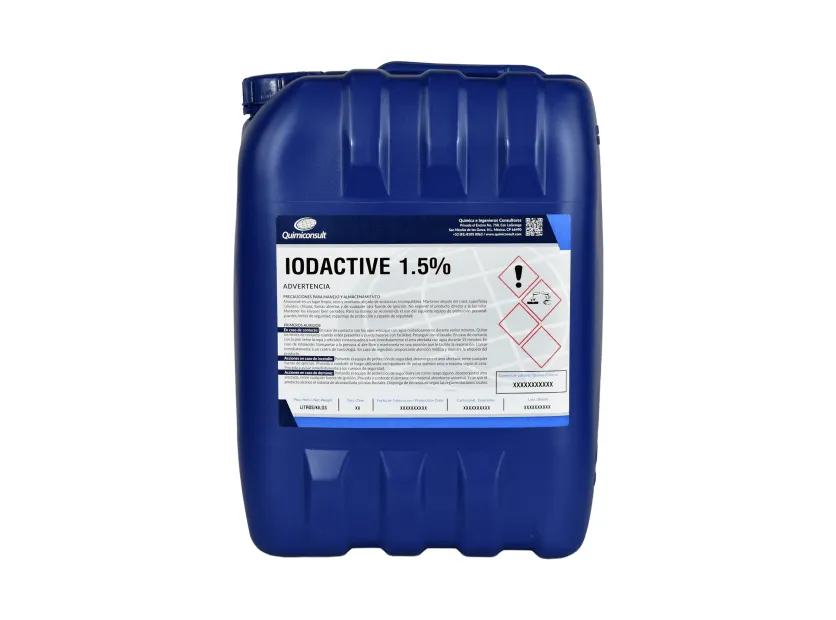
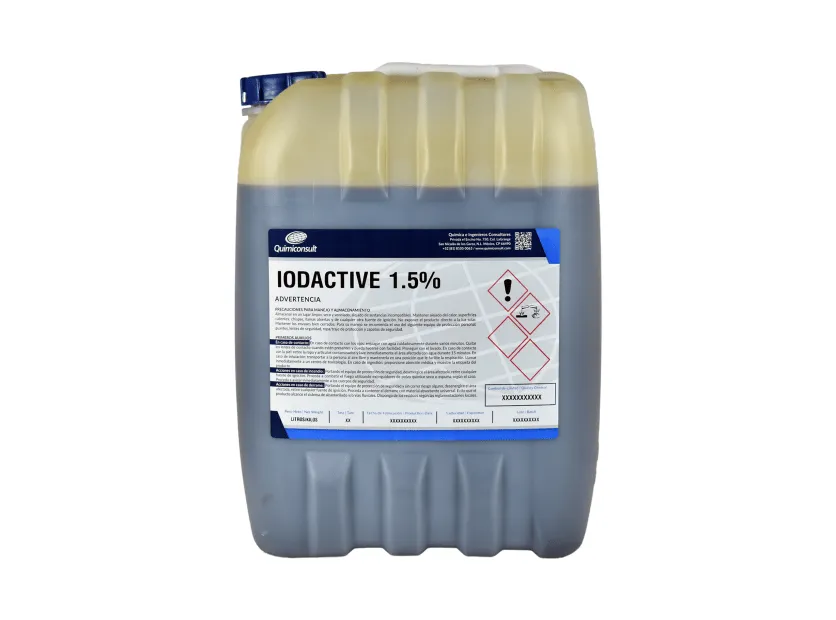
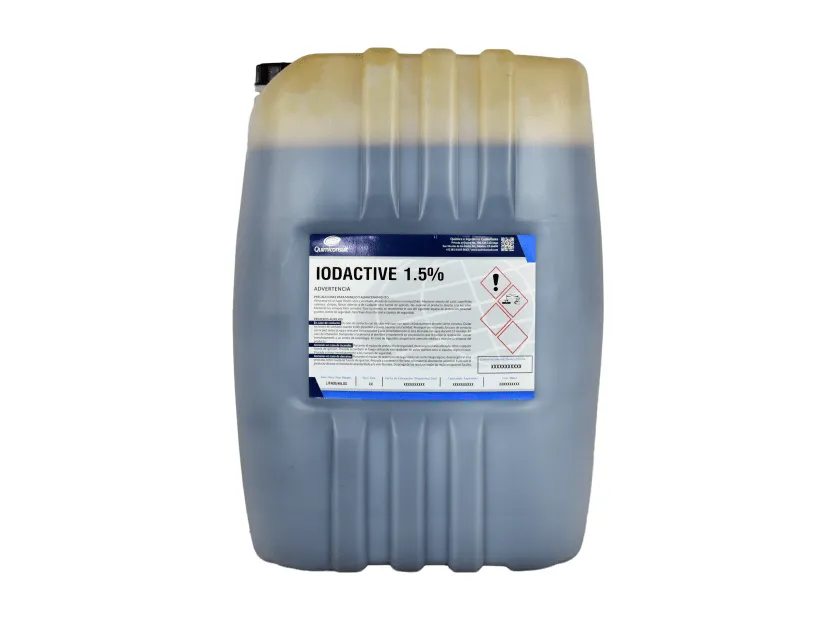
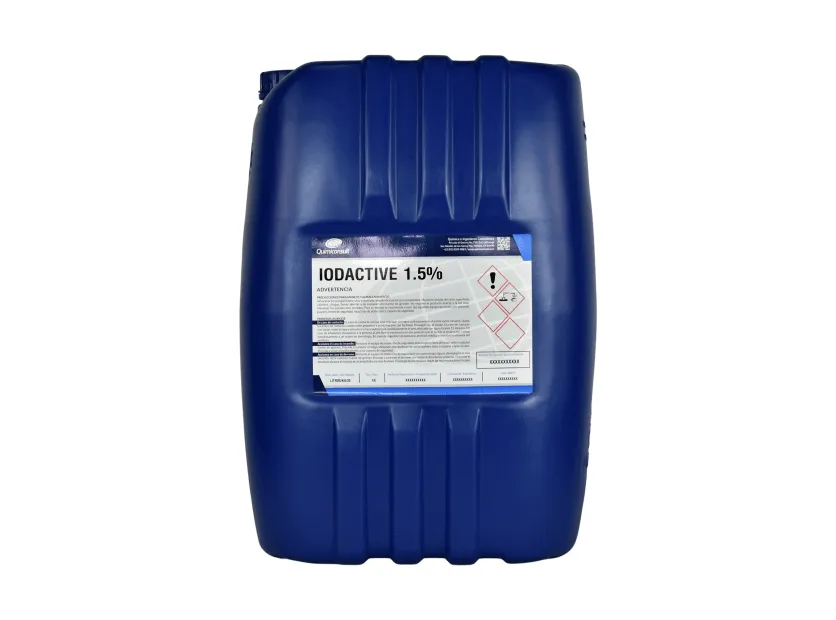
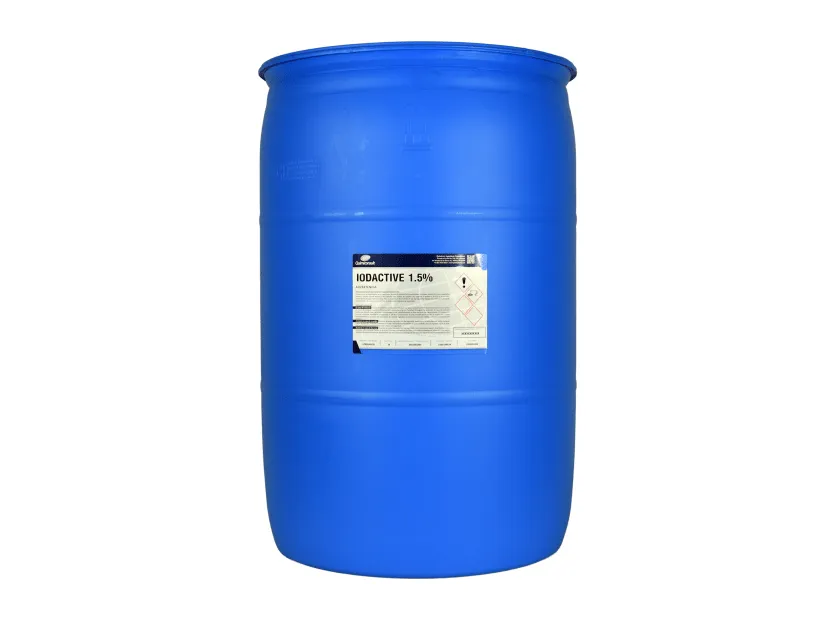
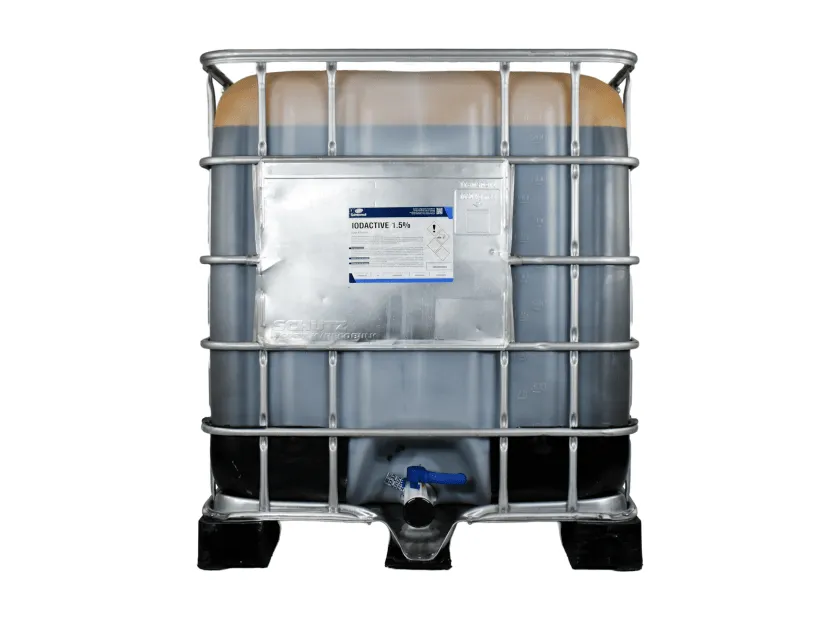
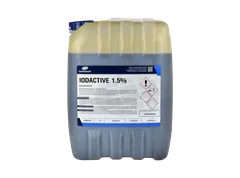
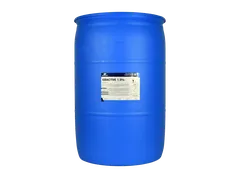
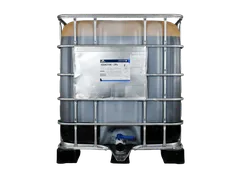
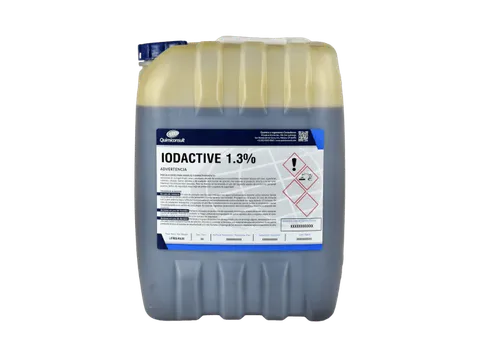
IODACTIVE 1.5% IODINE DISINFECTANT SOLUTION
View All Prices
| Quantity | Unit Price |
|---|---|
| kg | |
| 1 - 49 | USD 4.80 |
| 50 - 99 | USD 4.60 |
| 100 - 499 | USD 4.40 |
| 500 - 1999 | USD 4.20 |
| 2000 - 4999 | USD 3.80 |
| 5000+ | USD 3.60 |
Need more? Message us and we'll help you source the volume you're after.
Message us on WhatsApp Message usProduct description: 1.5% stabilized iodophor for disinfecting surfaces and equipment
At Quimiconsult we offer Iodactive 1.5%, a concentrated stabilized iodophor formulated for professional sanitizing applications in industrial, food, veterinary and agricultural settings. With a minimum content of 1.5% active iodine, this reddish-brown liquid solution harnesses the oxidizing power of iodine to quickly and effectively eliminate Gram-positive and Gram-negative bacteria, filamentous fungi, yeasts and even certain protozoa present on surfaces, equipment and process water.
The term "iodophor" refers to the molecular complex that combines elemental iodine (I₂) with a solubilizing agent that acts as a reservoir, releasing the active iodine in a controlled, gradual way. This mechanism is what sets Iodactive 1.5% apart from traditional tincture of iodine or pure iodine: while free iodine volatilizes quickly and tends to stain work surfaces, the stabilized iodophor dissolves completely in water, leaves no visible residue on stainless steel, plastic or glass, and maintains its biocidal concentration longer in the prepared solution. These properties make it a first-line tool for hygiene programs that require effective microbiological control without compromising the integrity of the treated surfaces or altering the organoleptic properties of the products they contact.
The Iodactive 1.5% formulation is designed to remain effective even under demanding operating conditions: high-hardness water, temperature variations and porous surfaces such as concrete or textured plastics, where microorganisms often find refuge in microcracks and biofilms. In addition, its detersive properties make it easier to penetrate pores and crevices, achieving uniform coverage that conventional nonionic disinfectants can hardly match.
Iodactive 1.5% is produced in Monterrey, Nuevo León, with shipping throughout Mexico, personalized technical support and complete documentation for food and livestock industry audits.
Mechanism of action: How iodine disinfectant works at the cellular level
Iodine is one of the oldest and most studied biocides in applied microbiology, and its mechanism of action is what keeps it relevant alongside new-generation disinfectants. When the active iodine released by the iodophor comes into contact with a microorganism, it acts on multiple cellular targets at once, which makes it extremely difficult for microbial resistance to develop, a critical advantage in environments where selective pressure from repeated use of the same disinfectant is constant.
The biocidal process occurs in three main stages. First, molecular iodine penetrates the microorganism's cell wall and cytoplasmic membrane through passive diffusion, aided by its low molecular weight. Second, once inside the cell, it oxidizes thiol (–SH) groups and tyrosine in structural and enzymatic proteins, causing irreversible denaturation of key enzymes for cellular respiration and energy metabolism. Third, it interferes with DNA replication by forming complexes with the nitrogenous bases, preventing cell division and the synthesis of new proteins. This triple action, on the membrane, enzymes and genetic material, is what gives iodine its broad spectrum of activity and explains why iodine solutions remain a fundamental tool in food and industrial biosecurity programs after more than a century of documented use.
It is important to note that iodine acts instantly on contact: unlike some disinfectants that require long exposure times to reach maximum efficacy, the stabilized iodophor starts working the moment it touches the contaminated surface or water. This is particularly valuable on food and beverage production lines, where downtime between CIP cleaning cycles must be as short as possible to maximize productivity.
Technical specifications of Iodactive 1.5%
Iodactive 1.5% is a reddish-brown liquid with a characteristic iodine odor. Its pH in a 1.0% aqueous solution is between 2.5 and 4.0, an acidic range that favors the release of active molecular iodine (I₂), the chemical species with the greatest biocidal power. The product's density at 20°C ranges from 1.00 to 1.25 g/cm³, and it produces medium foam when dissolved, which makes it easy to apply by both spraying and immersion without generating excess foam in closed systems.
The shelf life of the product stored in its original container, tightly closed and protected from direct light and heat, is one year. The active iodine concentration (minimum 1.5%) remains stable during this period as long as the recommended storage conditions are observed: a cool, dry place away from strong bases and metals, which are the incompatible materials identified in the product's Safety Data Sheet.
For environments that require lot-by-lot quality control, the product's reddish-brown color serves as an immediate visual indicator of the presence of active iodine: a significant loss of color may indicate degradation of the active ingredient, premature oxidation or cross-contamination with reducing substances, allowing plant operators to quickly spot possible deviations before applying the product.
Antimicrobial spectrum: Which microorganisms Iodactive 1.5% acts against
One of the reasons iodine disinfectant remains a benchmark in industrial sanitization programs is the breadth of its antimicrobial spectrum. Iodactive 1.5% has proven effective against the main groups of microorganisms of concern in food safety, animal health and sanitary control:
Gram-positive bacteria: these include pathogens such as Staphylococcus aureus (a frequent cause of food poisoning and bovine mastitis), Listeria monocytogenes (a high-risk pathogen in ready-to-eat dairy and meat products) and Bacillus cereus (a spore former found in cereals, rice and their derivatives). Iodine acts on both the vegetative forms and the spores of these bacteria, an advantage not all commercial disinfectants offer.
Gram-negative bacteria: the spectrum includes Salmonella spp. (the leading cause of foodborne illness in Mexico and Latin America), Escherichia coli O157:H7 (associated with outbreaks in ground beef, fresh vegetables and contaminated water), Pseudomonas aeruginosa (a frequent contaminant of water systems and wet surfaces) and Campylobacter spp. (a critical pathogen in the poultry industry).
Fungi and yeasts: Iodactive 1.5% is effective against Aspergillus spp., Penicillium spp. and Candida spp., microorganisms responsible for spoilage in processed foods, stored grains and production surfaces with high relative humidity. Filamentous fungi are particularly hard to eradicate because they produce spores that resist many conventional disinfectants; iodine eliminates them thanks to its ability to penetrate the fungal cell wall and oxidize its internal structures.
Protozoa: certain protozoa such as Cryptosporidium and Giardia, responsible for gastrointestinal illnesses transmitted by contaminated water, are sensitive to iodine at adequate concentrations. This property is especially relevant for disinfecting supply water in livestock facilities and for treating irrigation water in agricultural operations.
Applications of iodine disinfectant in the food industry
In the food and beverage industry, microbiological control is a non-negotiable requirement. Iodactive 1.5% is used as a sanitizer at multiple stages of the production chain, from receipt of raw materials to packaging of the finished product.
CIP and COP systems. Clean in place (CIP: Clean in Place) and clean out of place (COP: Clean out of Place) are the standard protocols in food processing plants. Iodactive 1.5% fits into the sanitizing phase of these systems to disinfect conveying pipes, process tanks, heat exchangers, and pasteurization, cooling and storage systems. Its complete solubility in water ensures that no residue remains in the lines after the final rinse, a fundamental requirement for complying with food safety standards such as NOM-251-SSA1-2009 and FSSC 22000.
Disinfection of food-contact surfaces. Work tables, conveyor belts, cutting utensils, molds, trays and any surface that comes into direct contact with food during processing require a rigorous sanitizing program. The 1.5% iodophor offers the advantage of acting quickly without leaving residual flavors or odors at the recommended use concentrations, which sets it apart from chlorine, which can generate undesirable organochlorine by-products when it reacts with organic matter.
Sanitizing fruits and vegetables. The Iodactive 1.5% technical data sheet documents its use for disinfecting fruits and vegetables by spraying or immersion at doses of 50 to 200 ppm of active iodine. This application is particularly relevant for fresh produce packing houses, pre-cut salad processors and fresh-cut (ready-to-eat) produce companies, where reducing the surface microbial load is critical to extending shelf life and meeting the microbiological limits required by export programs.
Dairy industry. In dairy product plants, cheese makers, yogurt makers, and pasteurized and UHT milk processors, Iodactive 1.5% is used to sanitize raw milk receiving equipment, refrigerated storage tanks, pasteurization lines and packaging equipment. The dairy industry is especially demanding regarding the elimination of Listeria monocytogenes, a pathogen that can form biofilms on stainless steel surfaces and poses a significant public health risk in fresh cheeses and ready-to-eat products.
Applications of iodine disinfectant in veterinary and livestock settings
The veterinary and livestock sector is one of the most important markets for iodine solutions, and Iodactive 1.5% is formulated to meet the biosecurity needs of this field.
Poultry farms. In poultry production and grow-out areas, disinfecting poultry houses, incubators, drinkers, feeders and ventilation systems is essential to prevent outbreaks of Salmonella, Campylobacter, Newcastle disease and other pathogens that cause significant economic losses in poultry farming. The iodophor is also applied in sanitary footbaths at the entrance of the houses to disinfect staff footwear and prevent cross-transmission between houses. Iodine's ability to act on spores makes it especially useful for disinfection between production cycles, when a broad-spectrum biocide is needed to eliminate microorganisms that survive in the environment during downtime periods.
Dairy production and barns. In dairy operations, Iodactive 1.5% is used to disinfect milking equipment, milk lines, cooling tanks and milking parlor surfaces. A particularly critical application is disinfecting teat cups and equipment that come into direct contact with the udder, where the presence of Staphylococcus aureus and Streptococcus agalactiae can cause mastitis, one of the costliest diseases in dairy farming because of its impact on milk production and quality. Iodophors are one of the most widely used families of disinfectants worldwide in pre-dip and post-dip teat programs, thanks to their compatibility with the animal's skin and their proven bactericidal efficacy.
Swine sector. On hog farms, disinfecting pens, floors, walls, automatic drinkers and feeding equipment is essential to control pathogens such as E. coli, Salmonella, PRRS virus and porcine circovirus. Iodactive 1.5% is applied in cleaning and disinfection protocols between production batches and as part of the biosecurity programs required by health authorities.
Disinfection of animal drinking water. The microbiological quality of the water animals drink has a direct impact on their health, weight gain and feed conversion efficiency. Iodactive 1.5% is used to disinfect supply water in livestock facilities, eliminating bacteria, yeasts and protozoa present in water sources that may be contaminated by runoff, prolonged storage or poor distribution systems.
Applications of iodine disinfectant in agriculture and postharvest
Beyond the food industry and the livestock sector, iodine solutions have valuable applications in agriculture and postharvest handling that significantly broaden the use profile of Iodactive 1.5%.
Postharvest disinfection of fruits and vegetables. In packing houses and wholesale markets, dipping or spraying fruits and vegetables with iodine solutions at concentrations of 50 to 200 ppm is an established practice for reducing the surface microbial load before packing and distribution. This application is critical for export products that must meet the phytosanitary standards of markets such as the United States, Canada and the European Union, where microbiological limits are strict and food safety audits are frequent. Iodine has the added advantage of not generating chlorinated by-products, which positions it favorably against sodium hypochlorite in markets that value the absence of problematic chemical residues.
Disinfection of irrigation systems. In protected agriculture (greenhouses, shade houses and tunnels) and in drip irrigation systems, the buildup of bacterial biofilms and algae in emitters and distribution lines reduces irrigation efficiency and can introduce pathogens to the crop. Applying iodine solutions to the irrigation system helps control these microorganisms and keep emitters free of biological clogging, extending the service life of the infrastructure and improving irrigation uniformity.
Disinfection of germination trays and substrates. In nurseries and seedling production operations, germination trays are a potential source of infection by fungi such as Pythium, Fusarium and Rhizoctonia, which cause damping-off of seedlings. Disinfecting trays between production cycles with iodine solutions is an effective preventive practice that reduces the incidence of these diseases and improves germination and survival rates.
Iodactive 1.5% vs. other disinfectants: Competitive advantages of iodine over chlorine, QACs and peracetic acid
Choosing the right disinfectant means weighing multiple factors: antimicrobial spectrum, speed of action, material compatibility, operator safety, environmental impact and cost per application. Below is an objective comparison of Iodactive 1.5% with the three most widely used disinfectants in industry.
Iodactive 1.5% vs. Sodium Hypochlorite (chlorine). Chlorine is the cheapest disinfectant per liter, but it has significant limitations: it generates organochlorine by-products (trihalomethanes) when it reacts with organic matter, breaks down quickly at alkaline pH, is highly corrosive to stainless steel and other metals, and its efficacy drops significantly in hard water. Iodactive 1.5% generates no toxic by-products, stays effective in hard water, does not corrode metals and offers a visual indicator of active concentration thanks to its color. In addition, iodine retains its biocidal activity over a wider pH range than chlorine.
Iodactive 1.5% vs. Quaternary Ammonium Compounds (QACs). QACs are good surface disinfectants with prolonged residual action, but their spectrum is limited: they have little or no activity against bacterial spores, mycobacteria and non-enveloped viruses. They are also susceptible to inactivation by organic matter and anionic soaps. Iodactive 1.5% offers a significantly broader spectrum that includes spores and protozoa, and it is not inactivated by interaction with anionic surfactants.
Iodactive 1.5% vs. Peracetic Acid. Peracetic acid is an excellent broad-spectrum oxidizer, but it is significantly more corrosive than iodine, requires higher concentrations to achieve the same biocidal effect, has a strong, pungent odor that can irritate operators, and is less stable in storage. Iodactive 1.5% offers a more balanced efficacy-to-safety ratio for routine sanitizing applications.
Dosing guide: How to prepare the iodine solution from Iodactive 1.5%
The final concentration of active iodine in the working solution depends on the specific application. Below are the general formula and the recommended doses for the most common uses.
Dilution formula: Volume of Iodactive 1.5% (mL) = (desired ppm × final volume in liters) ÷ 15,000
Where 15,000 is the product concentration in ppm (1.5% = 15,000 ppm of active iodine).
Recommended doses by application:
For sanitizing food-contact surfaces (tables, utensils, belts) a concentration of 25 ppm is recommended, equivalent to about 1.7 mL of Iodactive 1.5% per liter of water. For disinfecting equipment in CIP/COP systems (tanks, piping, pasteurizers) the recommended concentration is 25 to 50 ppm, using between 1.7 and 3.3 mL per liter. For disinfecting fruits and vegetables by spraying or immersion, the dose ranges from 50 to 200 ppm depending on the type of product and level of contamination, which corresponds to 3.3 to 13.3 mL per liter of water.
For sanitary mats and footbaths on farms and in food plants, the recommended concentration is 200 to 400 ppm (13.3 to 26.7 mL/L), ensuring a minimum contact time between footwear and the solution. For disinfecting animal drinking water, concentrations of 5 to 20 ppm are used depending on the quality of the source water and the type of livestock production. For disinfecting poultry houses and pens between production cycles, higher concentrations of 200 to 500 ppm are used, applied by spraying with manual or motorized equipment after cleaning with detergent.
An important practical point: the reddish-brown color of the prepared solution serves as a visual indicator that active iodine is still present. A loss of color indicates that the iodine has been used up reacting with organic matter and that the solution needs to be replaced.
Storage, handling and safety of iodine disinfectant
To preserve the efficacy of Iodactive 1.5%, the product should be stored in its tightly closed original container in a cool, dry place protected from direct sunlight. Exposure to high temperatures, UV light or extreme humidity can accelerate the degradation of active iodine and shorten the product's shelf life. It is essential to keep the product away from strong bases and metals, which are the incompatible materials according to the Safety Data Sheet.
Appropriate personal protective equipment must be worn when handling Iodactive 1.5%: neoprene gloves, splash goggles, a synthetic apron and boots. In poorly ventilated areas, a gas mask is recommended. The product is classified with hazard statements H302 (harmful if swallowed), H315 (causes skin irritation) and H320 (causes eye irritation), with an NFPA rating of 3 for health, 0 for flammability and 0 for reactivity — meaning it is neither flammable nor reactive, but requires handling precautions to avoid direct contact with skin, eyes and mucous membranes.
In case of skin contact, wash the affected area with plenty of soap and water for at least 15 minutes. In case of eye contact, rinse immediately with water for at least 15 minutes and seek medical attention. In case of accidental ingestion, do not induce vomiting; drink large amounts of water or milk while seeking medical assistance.
It is important to note that prolonged or repeated exposure to iodine (if ingested) can affect the thyroid, according to the product's toxicological information. This consideration is especially relevant when iodine solutions are used to disinfect animal drinking water, where the recommended doses must be strictly observed to avoid excessive iodine accumulation in the animals.
Iodactive 1.5% vs. 1.75% and 3% — Which one to choose for your application?
Quimiconsult offers stabilized iodophors in different concentrations to suit the specific needs of each operation. The choice between Iodactive 1.5%, 1.75% and 3% depends mainly on the volume of disinfectant solution consumed, the frequency of application and the associated logistics costs.
Iodactive 1.5% is the ideal option for mid-scale operations and applications that require precise dosing control with a smaller margin of error, such as sanitizing fruits and vegetables, disinfecting food-contact surfaces and disinfecting animal drinking water on small and mid-sized farms. Its lower concentration makes working solutions easier to measure, reducing the risk of overdosing.
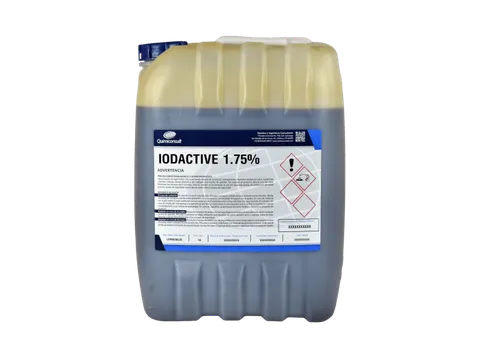
Iodactive 1.75% provides 17% more active iodine per liter of product, which translates into proportional savings in operations that prepare large volumes of disinfectant solution every day. It is the preferred option for food processing plants with automated CIP systems and for dairy operations with high-volume sanitizing programs.
Iodactive 3% doubles the concentration of the 1.5% and is the most cost-efficient option per ppm of active iodine for large-scale operations: poultry farms with multiple houses, processing plants with continuous production lines and distributors that need to store less volume of concentrated product. With Iodactive 3%, about half the volume of product is needed to prepare the same working solution as with the 1.5%.
Frequently asked questions about iodine disinfectant
Can iodine be used to disinfect food-contact surfaces? Yes. Iodine is one of the disinfectants approved by international regulatory bodies for sanitizing surfaces that come into direct contact with food. At the recommended use concentrations (12.5 to 25 ppm), the iodophor leaves no flavors, odors or toxic residues after rinsing, making it compatible with the most demanding food safety standards.
How many milliliters of Iodactive 1.5% do I need per liter of water? It depends on the application. For surface sanitizing, about 1.7 mL/L (25 ppm) is used. For fruits and vegetables, between 3.3 and 13.3 mL/L (50–200 ppm). For sanitary mats, between 13.3 and 26.7 mL/L (200–400 ppm). The general formula is: mL of product = (desired ppm × liters of water) ÷ 15,000.
Does iodine stain stainless steel equipment? No. Unlike free iodine (tincture of iodine), iodophors such as Iodactive 1.5% are completely water-soluble and do not stain stainless steel, plastic, glass or most industrial surfaces. This is precisely the advantage of the iodophor formulation over traditional iodine products.
What is the difference between an iodophor and povidone-iodine? Both are complexes that release active iodine in a controlled way, but they are designed for different applications. Povidone-iodine (PVP-I) is a formulation intended for medical and pharmaceutical use, applied as an antiseptic on skin and mucous membranes. Industrial iodophors such as Iodactive 1.5% are formulated for disinfecting surfaces, equipment, water and food in industrial, food and livestock settings. They are not interchangeable.
Does iodine cause microbial resistance? No significant development of microbial resistance to iodine has been documented, which is one of its most important advantages over other biocides. This is because iodine acts simultaneously on multiple cellular targets (membrane, enzymes and DNA), making it extremely difficult for a microorganism to develop resistance mechanisms to all of them at the same time.
Can Iodactive 1.5% be used to disinfect drinking water for poultry and livestock? Yes. Disinfecting supply water in livestock facilities is one of the documented applications of Iodactive 1.5%. The dose should be adjusted according to water quality and the type of animal production, respecting the maximum residual iodine levels that allow safe intake without affecting the animals' thyroid function.
What is the price of iodine disinfectant? The price of Iodactive 1.5% varies with the package size and purchase volume. Contact us for a personalized quote with the best terms for your operation.
Other names and synonyms for iodine disinfectant
Iodine disinfectant / disinfectant iodine / iodine-based disinfectant (yodo desinfectante / desinfectante de yodo): these are the terms most used in commercial searches and technical documentation in the cleaning and disinfection industry in Mexico and Latin America to refer to liquid formulations based on active iodine. Iodactive 1.5% is precisely a solution formulated as a stabilized iodophor that fits this product category.
Iodine paint / dark iodine (pintura de yodo / yodo oscuro): in some industrial and veterinary contexts the term "iodine paint" is used to refer to iodine solutions applied to surfaces or skin, highlighting their characteristic reddish-brown color and disinfecting function. "Dark iodine" is a colloquial name referring to the intense color of concentrated iodine solutions, as opposed to the transparent povidone-iodine formulations used in medicine.
Iodine solution / iodinated solution / iodine in solution (solución de yodo / solución yodada): general terms widely used both in the chemical industry and by buyers looking for liquid active-iodine formulations to disinfect surfaces, equipment or water.
Veterinary iodine disinfectant / iodine for disinfecting farms: expressions from the livestock and poultry sector that reflect the demand for iodine solutions for biosecurity programs on farms, in barns and in veterinary clinics.
Iodine for cleaning / does iodine disinfect / is iodine good for disinfecting: these search variations are common among users who want to confirm iodine's effectiveness as an antimicrobial agent before making a purchase. The answer is yes: iodine is one of the oldest, most studied and most effective biocides available, with more than a century of documented use in industrial, food and veterinary sanitization.
CIP and COP sanitizer / industrial iodine disinfectant: terms used by plant engineers and maintenance managers when looking for products compatible with their automated cleaning and sanitizing systems on food production lines.